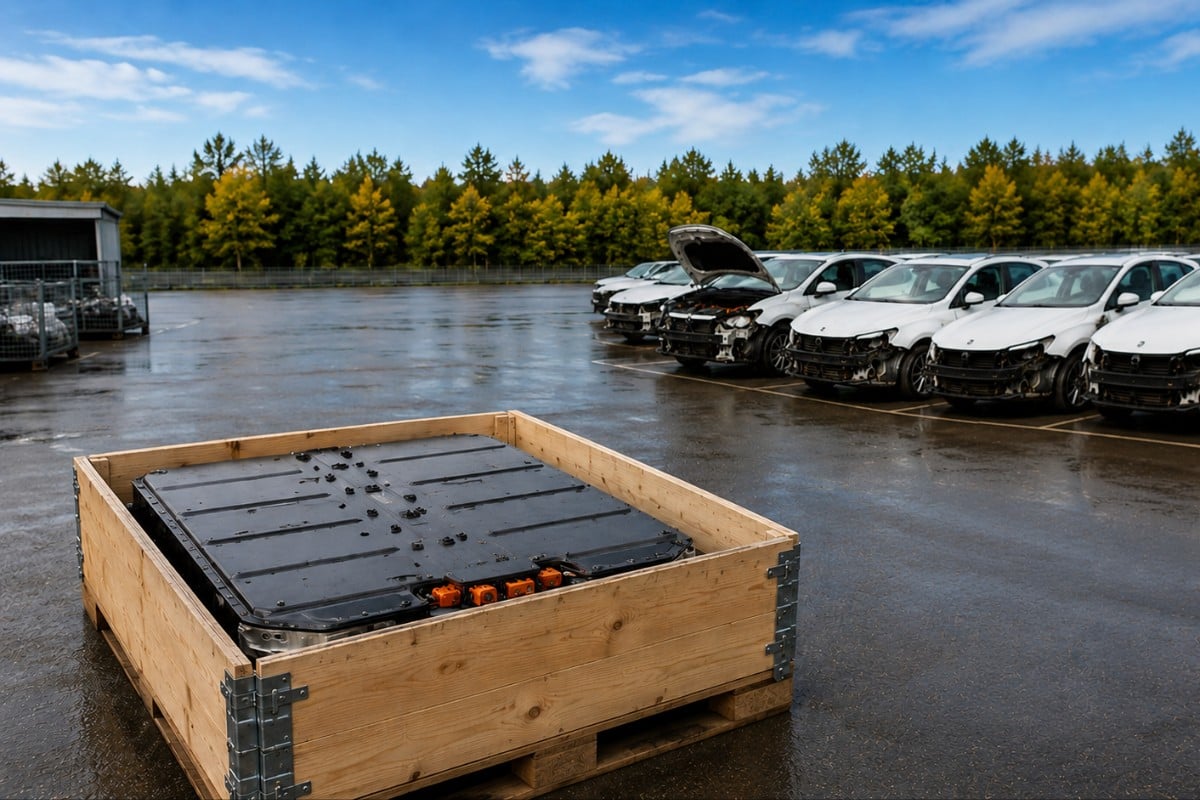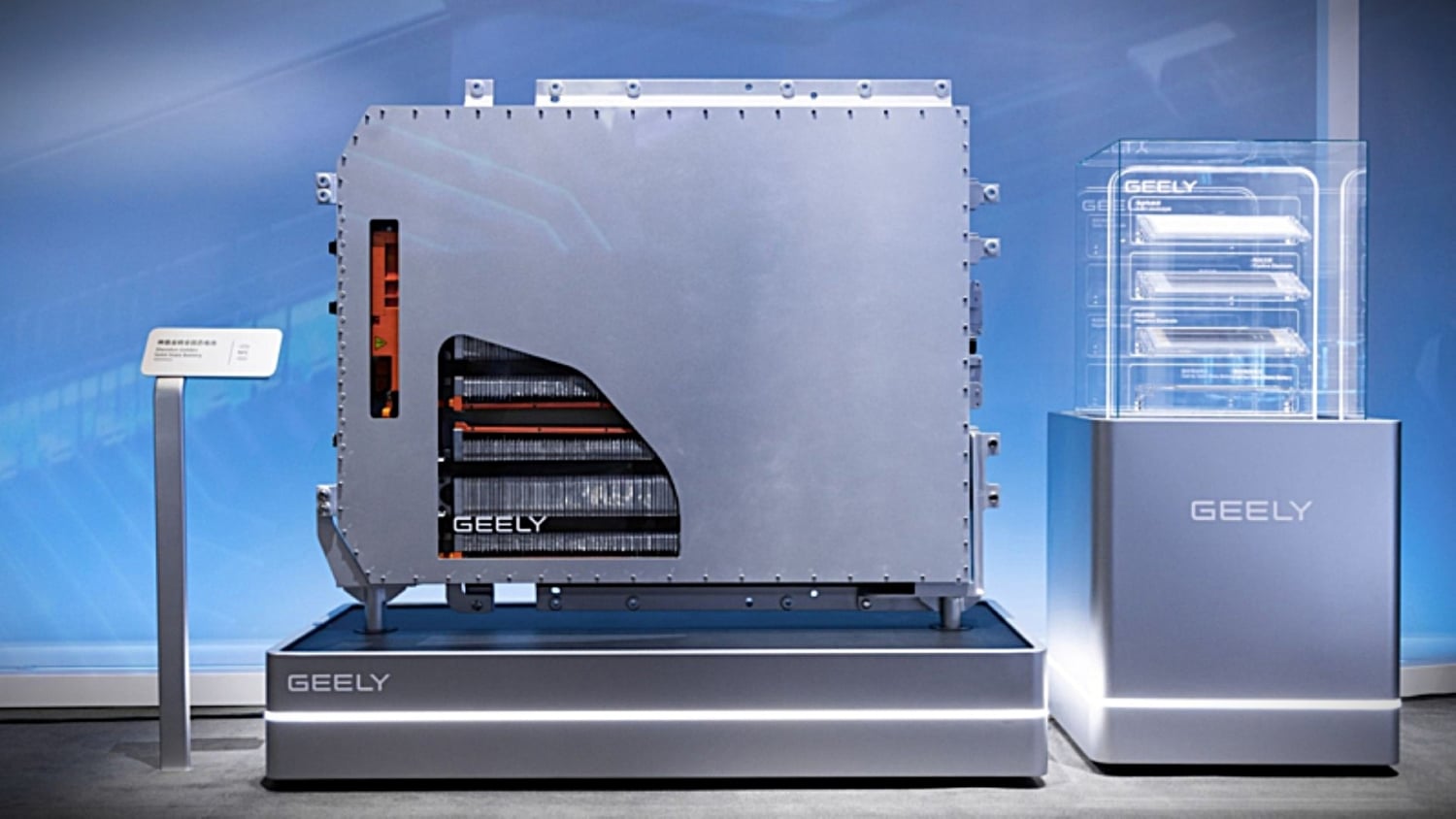
Geely Holding Group Chairman Eric Li warned that the mismatch between electric vehicle and battery lifespans poses a significant economic challenge. As China’s EV fleet ages, the high cost of replacing or repairing sealed battery packs may render older, otherwise functional vehicles uneconomical to maintain.
The industry faces technical hurdles with Cell-to-Pack designs, which complicate disassembly and individual cell replacement. According to CATL service data, a full pack replacement can cost around ¥100 000, while specific repairs range from ¥10 000 to ¥20 000. These costs impact the secondary market, where many dealers currently refuse EVs older than five years.
To address these challenges, Geely and Nio are expanding their battery-swapping partnership. Under a September 28 agreement, Geely will contribute its Yiyi Power business and ¥640 million in cash for a 30% stake in Nio Power. Nio will also acquire a 10% stake in Geely’s Haohan Energy.
Nio operates 4 126 battery-swap stations and 5 307 charging stations as of September 27, 2026, having completed over 125 million swaps. The partnership aims to develop compatible passenger vehicles and shared standards, though specific rollout timelines for Geely models remain undisclosed.
New national standards, effective July 1, 2026, set battery durability benchmarks for light-duty vehicles. These include minimum State of Available Energy retention of 82% at five years or 100 000 km, 75% at eight years or 160 000 km, and 70% at 10 years or 200 000 km.