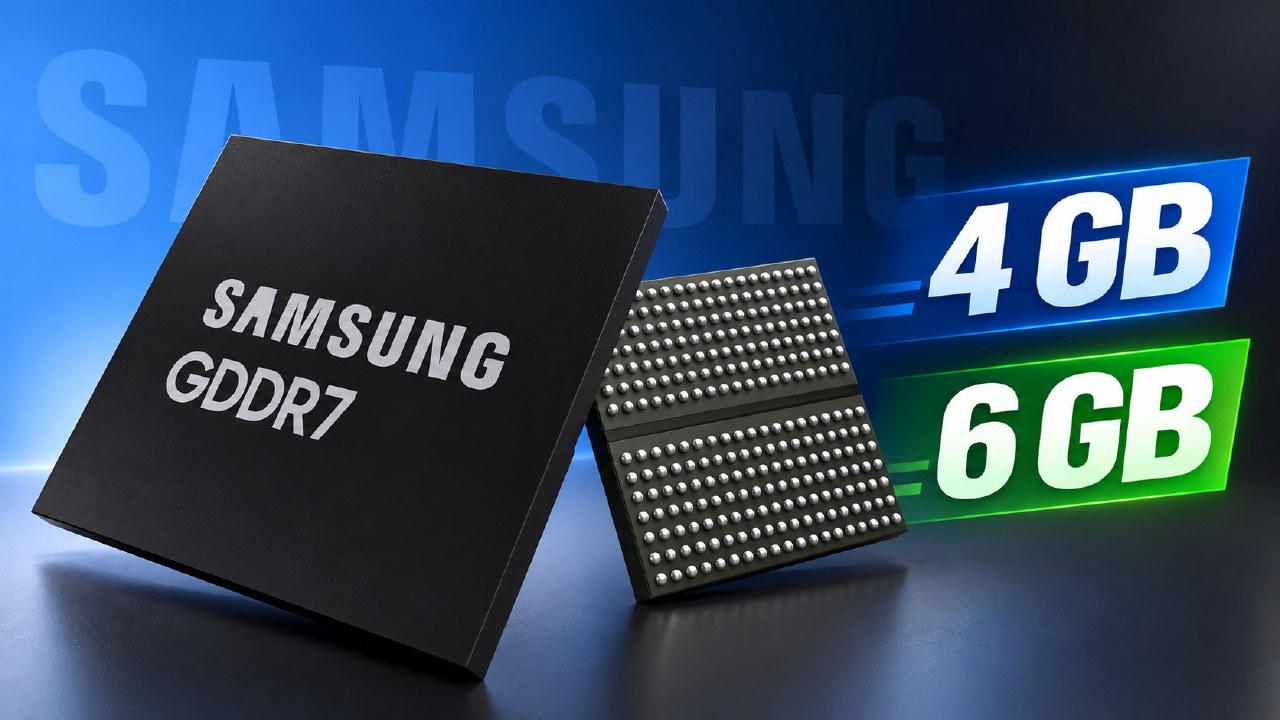
Industry reports suggest that memory manufacturers are planning to introduce 4GB and 6GB GDDR7 memory chips between 2027 and 2028. This development could significantly increase video memory capacity for both consumer and professional graphics cards, potentially overcoming current limitations where mainstream cards are often restricted to 8GB, 12GB, or 16GB configurations.
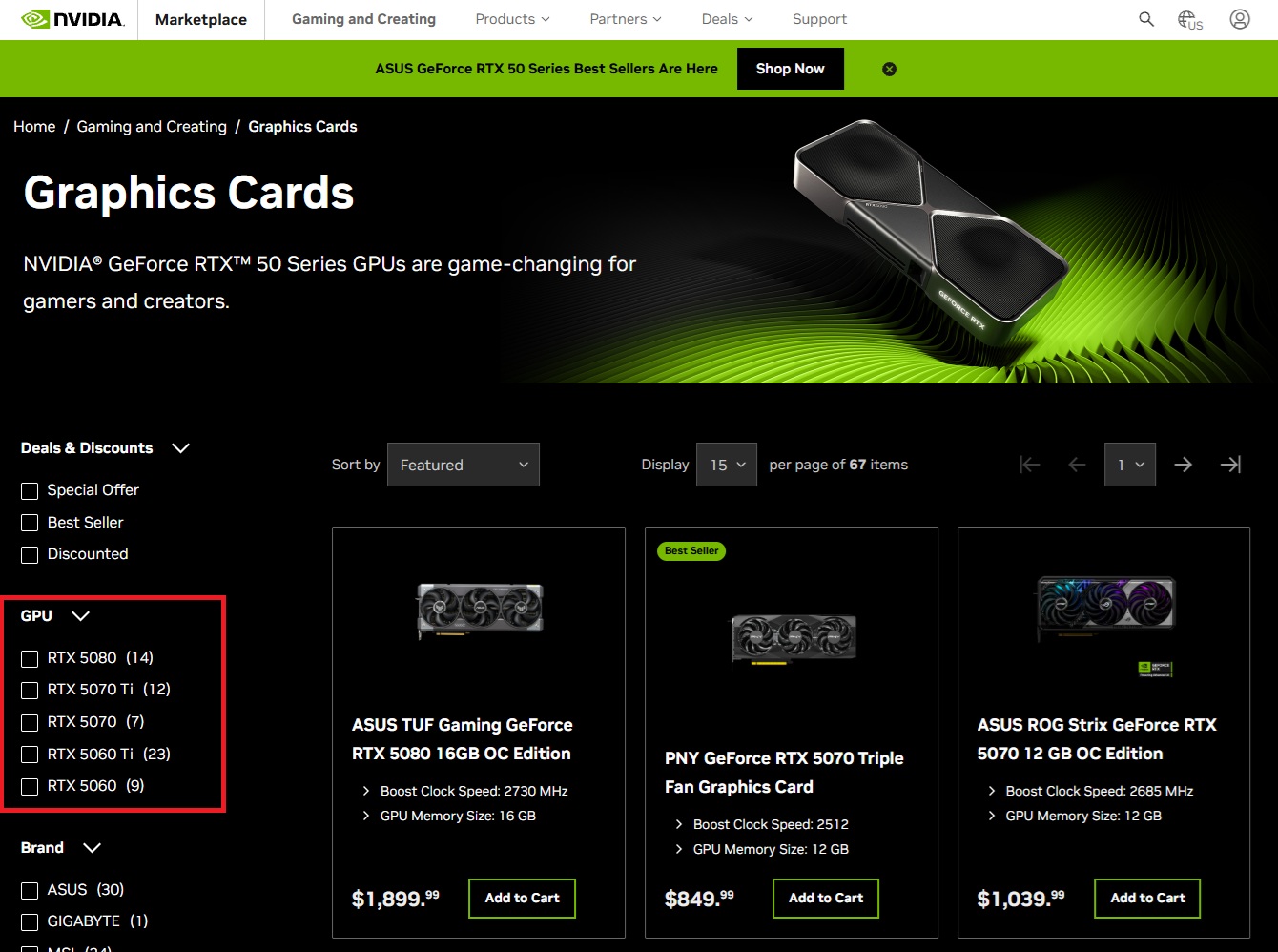
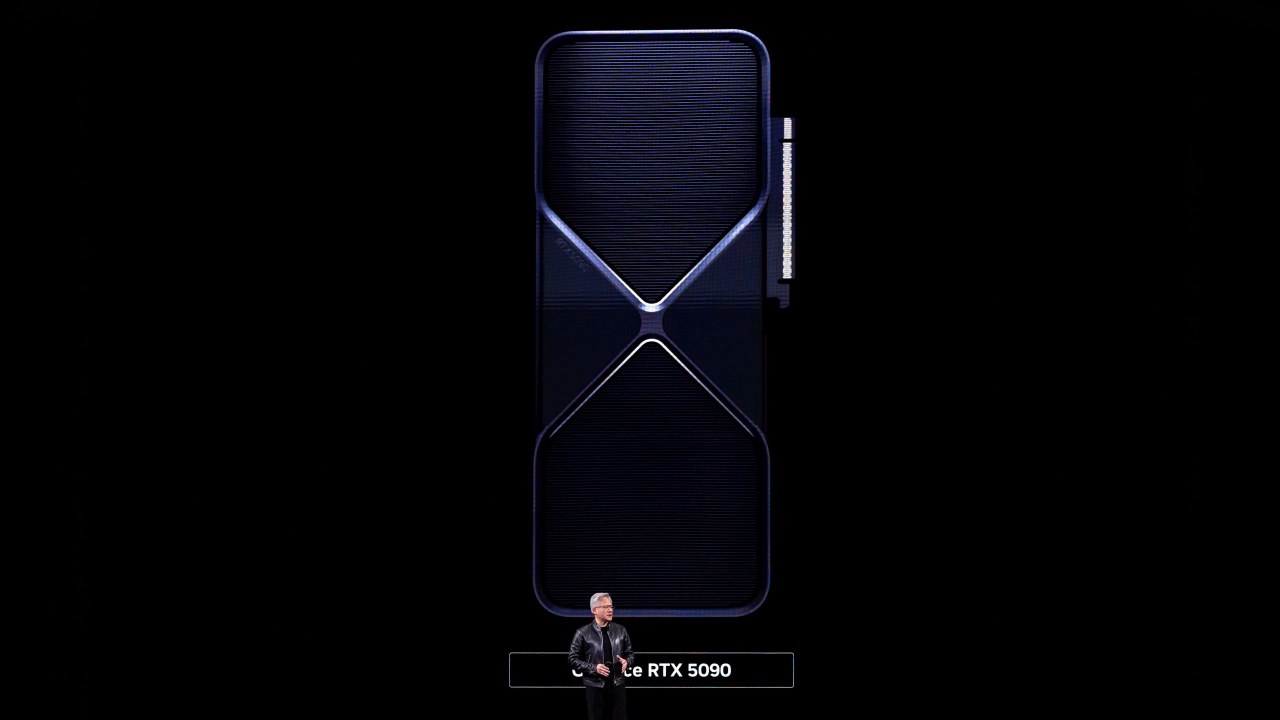
Current mainstream GDDR7 products primarily utilize 2GB chips, as seen in NVIDIA's Blackwell-based GeForce RTX 50 series. While there have been industry efforts to advance 3GB GDDR7 production by Samsung, SK Hynix, and Micron, these have faced challenges related to supply constraints and high costs, leading to the cancellation of specific product plans like a 9GB RTX 5050 model.
The introduction of higher-density chips would allow for substantial capacity upgrades without altering existing memory bus architectures. For instance, a 128-bit bus card could see its capacity jump from 8GB to 16GB or 24GB. Similarly, 192-bit and 256-bit configurations could reach capacities of up to 36GB or 48GB, respectively.
These advancements are expected to align with the release of future hardware, such as NVIDIA's rumored RTX 60 series, codenamed Rubin, which is not anticipated before 2028. High-density memory would benefit AI, 3D rendering, and scientific computing by providing more capacity without requiring larger PCB footprints or an increased number of memory chips.
Despite the technical potential, cost remains a significant barrier. The 3GB GDDR7 chips have already demonstrated that high production costs can delay market adoption. Consequently, while 4GB and 6GB chips may reach mass production, their initial pricing could remain high, making widespread consumer availability dependent on future market demand and manufacturing cost trends.