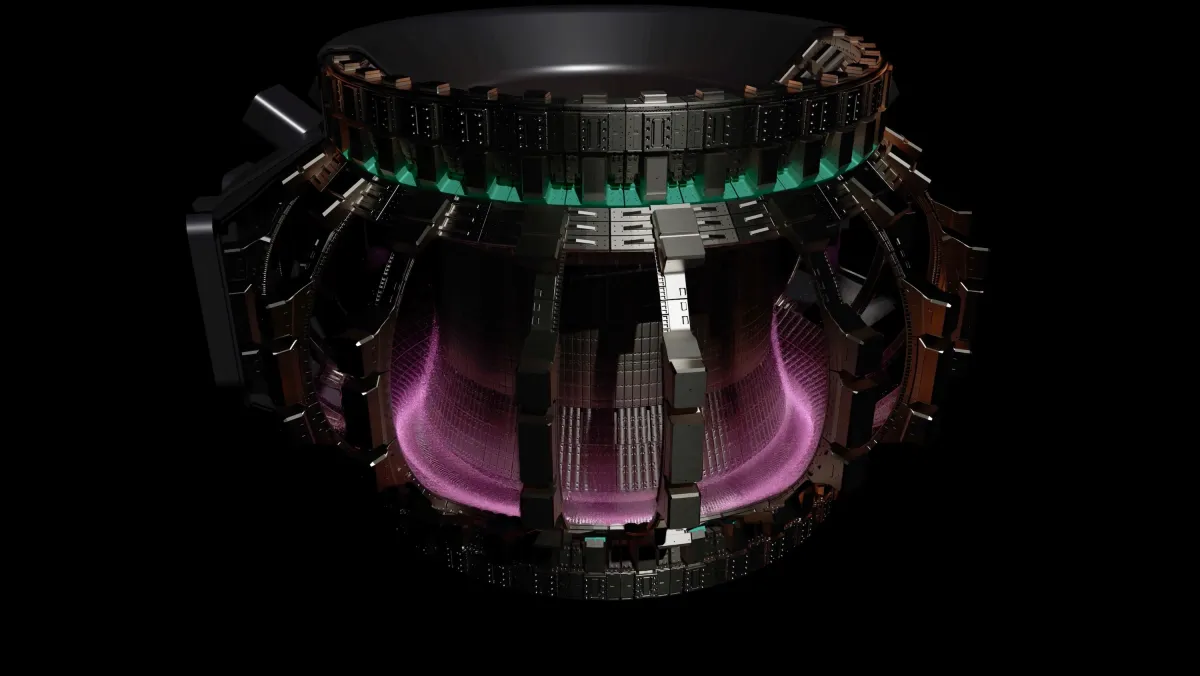
The U.S. Department of Commerce has awarded $260 million to fusion energy startups Helion and Commonwealth Fusion Systems (CFS) under the CHIPS and Science Act. Helion received $175 million, while CFS secured $85 million to develop semiconductors for reactor control systems.
Unlike previous government grants that provided non-dilutive capital, these awards require the startups to issue non-voting equity stakes to the government. Helion’s deal represents a stake of approximately 1%, based on its $15.5 billion valuation from its Series G funding round.
The valuation for the government's stake in CFS remains undisclosed. Industry representatives noted that while the Fusion Industry Association lobbied for $10 billion in federal support to compete with international efforts, the current funding model introduces new equity-based conditions.
This trend of government equity participation extends to other sectors, including MP Materials, which provided a 15% stake for $400 million, and USA Rare Earth, which gave a 10% stake for $277 million. Intel also saw a portion of its federal funding converted into a 10% equity stake.
Not all fusion companies have adopted this model. Startups such as Thea Energy, Avalanche Energy, Pacific Fusion, and Inertia Enterprises have secured federal contracts or partnerships without granting equity to the government. Proxima Fusion in Germany also reports government-backed funds on its cap table.