

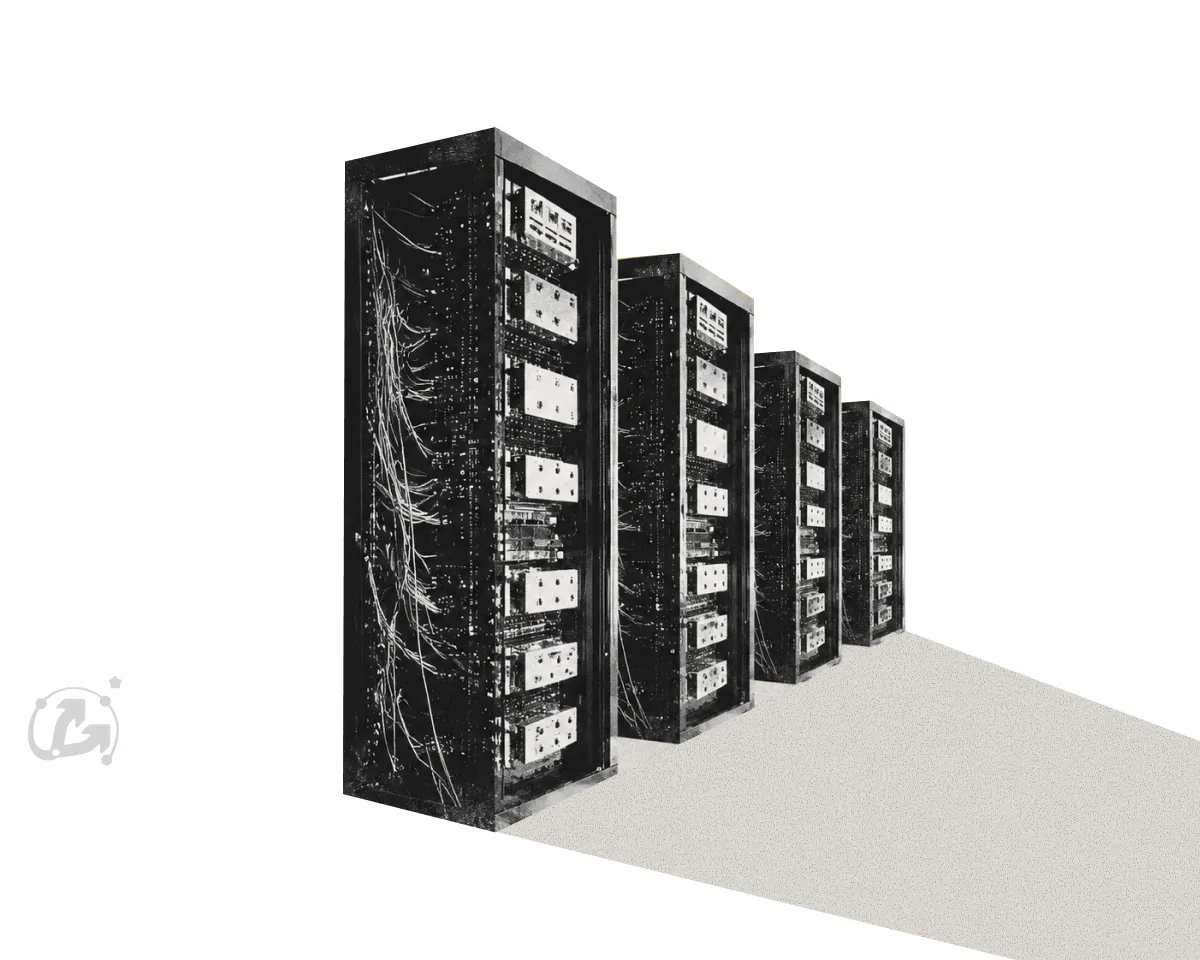
Fujitsu has developed a working prototype of a quantum computer based on diamond spin qubits. The system utilizes tin-vacancy (SnV) centers in diamonds as qubits, integrated with photonic integrated circuits to read quantum states using light.
The prototype operates at approximately -271.6 degrees Celsius, which is slightly higher than the typical environment for superconducting quantum computers, which usually operate at around -273.13 degrees Celsius. The system can be managed via the Hybrid Quantum Computing Platform.
The architecture allows individual quantum modules to be connected via light, enabling the scalability of larger systems from smaller blocks. Fujitsu chose SnV centers over the more common NV centers due to their structural symmetry and lower susceptibility to external noise.
To integrate diamond structures with photonic circuits, the company developed technologies to bond diamond with other materials and reduce the diamond layer thickness from hundreds of micrometers to hundreds of nanometers.
The prototype was created through joint research by Fujitsu, Delft University of Technology, and the QuTech research center, which began in 2020. The project was supported by the Holland High Tech program.
Fujitsu plans to create a multi-module diamond quantum computer prototype by 2027. The company's long-term roadmap targets 250 logical qubits by 2030 and 1,000 logical qubits by 2035.