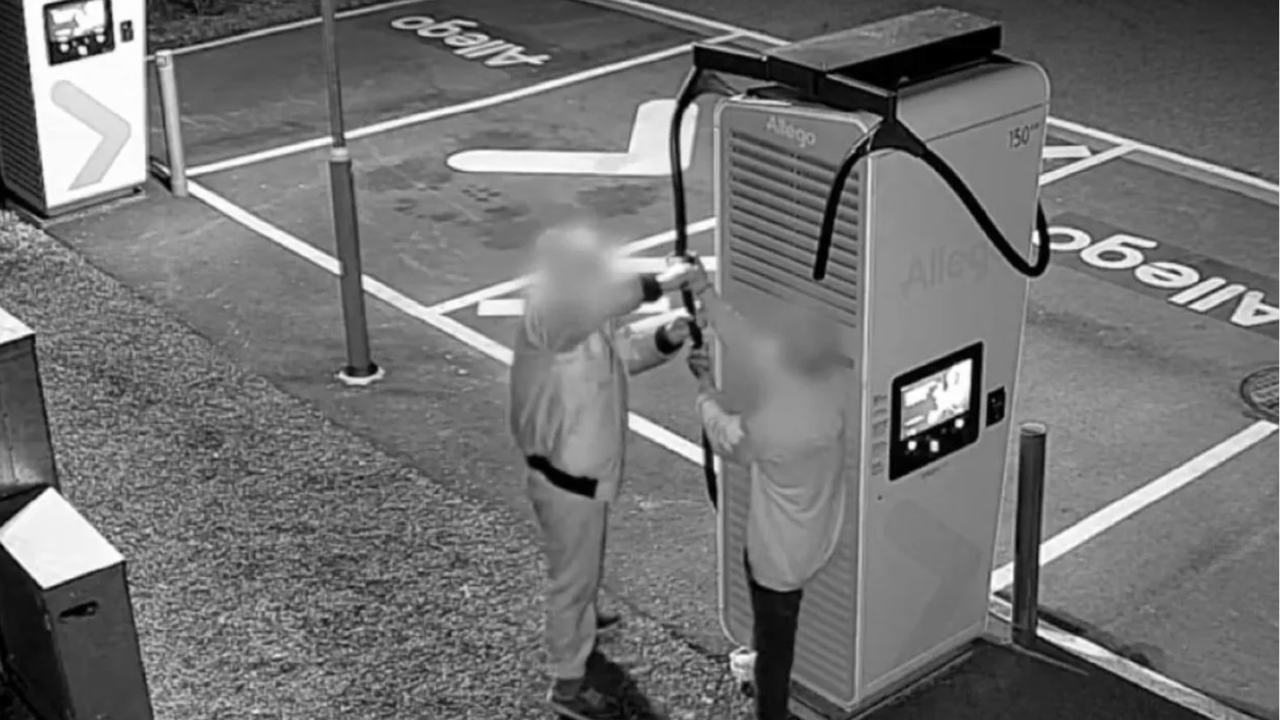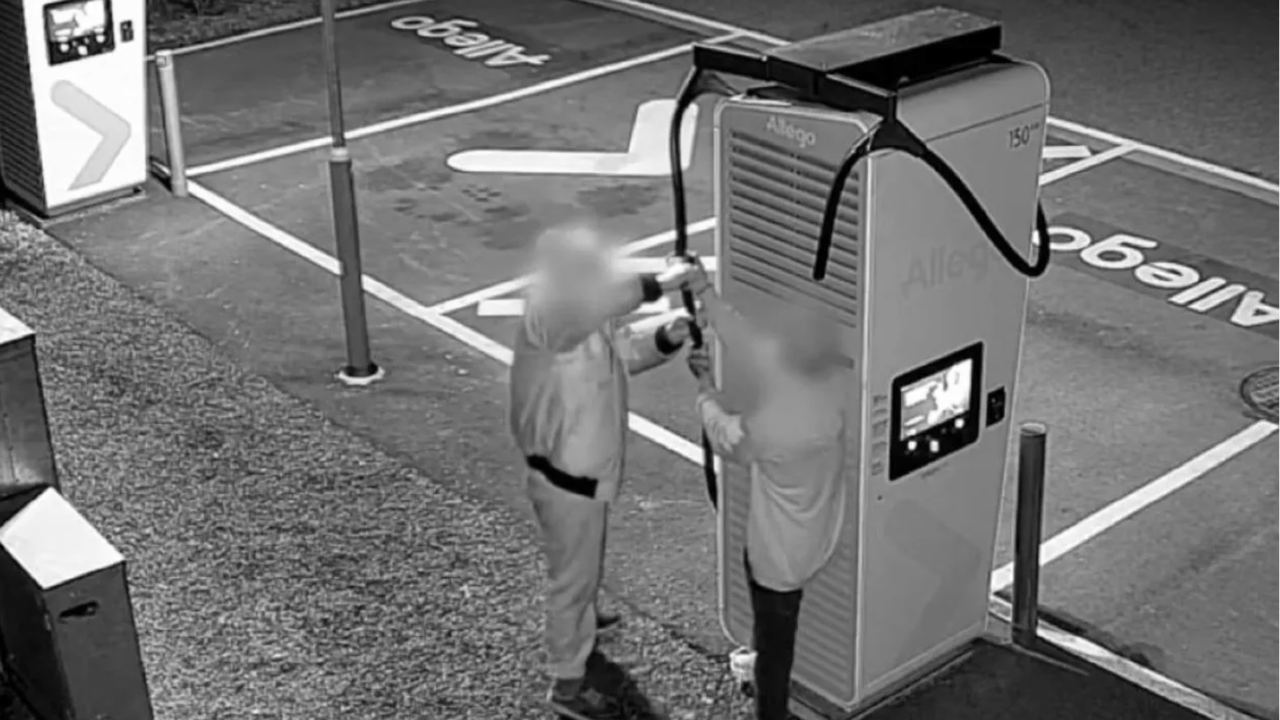
Organized criminal groups are increasingly targeting EV charging infrastructure across Europe, using high-powered tools to cut and steal copper cables. These gangs often operate in teams, use stolen vehicles, and can hit five or more locations in a single night. The scale of the issue is significant: InstaVolt reported the loss of approximately 260 cables from 130 chargers in 2025, while EnBW in Germany recorded theft at 120 locations with damages exceeding €1 million.
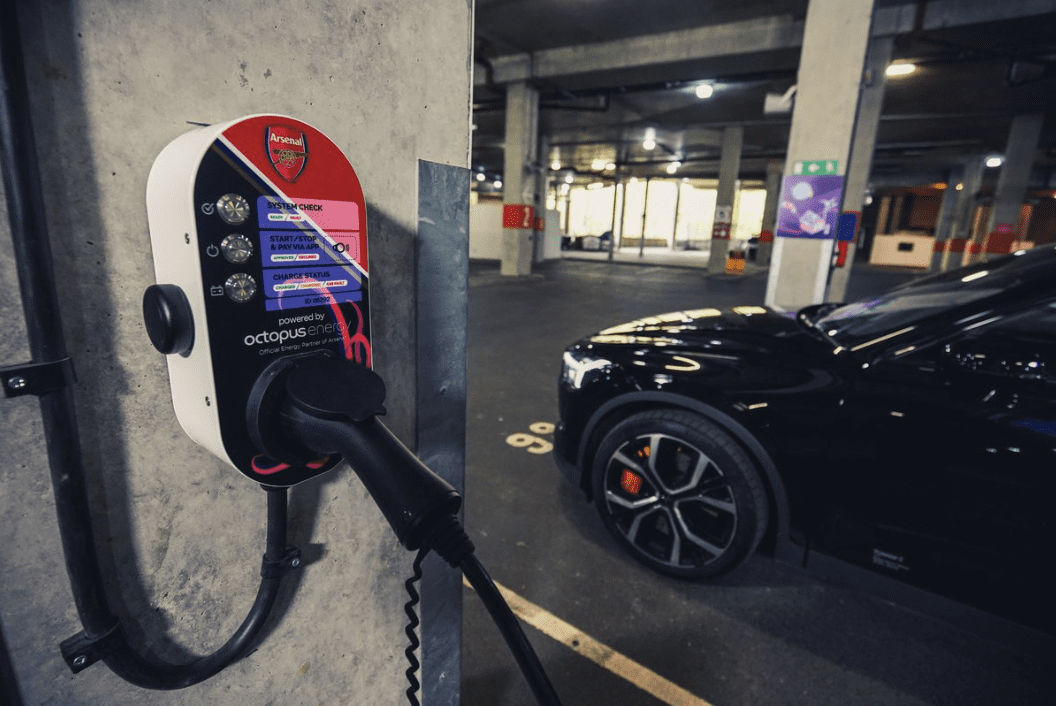
Formula Space, a Canterbury-based company, has developed CableGuard, a protective sleeve designed to make cables harder and slower to cut. The company recently launched a V4 version specifically to counter attacks involving power tools like angle grinders. The technology aims to increase the time and effort required for theft, thereby raising the risk of detection. The sleeve can be retrofitted to existing chargers in approximately 20 minutes.
CableGuard has been verified by manufacturers including Nidec, Wallbox, and Kempower. It is currently installed across thousands of sites globally, with adoption by operators such as TotalEnergies, Atlante, InstaVolt, Allego, E.ON, RAW Charging, and Sainsbury's Smart Charge. The protection can be supplemented with forensic marking and GPS tracking to help identify stolen materials and link them to specific crime scenes.
Despite stricter regulations on scrap metal trading in countries like Belgium, organized groups continue to profit by stripping, chopping, and melting stolen copper into ingots to remove identifying marks. These groups often target isolated charging sites with poor lighting or lack of surveillance. Formula Space emphasizes that while no design can make theft impossible, the goal is to make the risk and time investment outweigh the potential profit from the copper.