

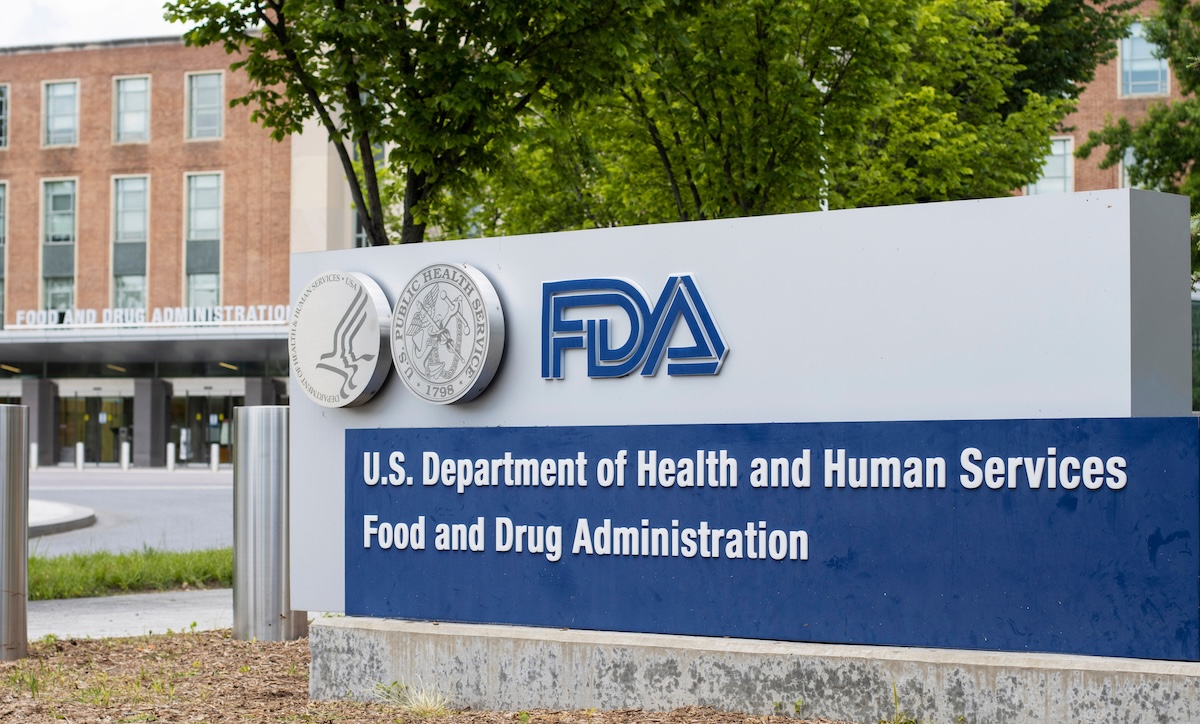
The US Food and Drug Administration issued a final order on September 17, mandating that specific categories of AI-driven radiology software must obtain premarket clearance before commercial release. This decision formalizes the agency's rejection of a petition submitted by the Australian firm Harrison.ai in April.
Harrison.ai had requested a partial exemption from the standard 510(k) premarket notification process for four types of software, including tools for cancer detection and medical image analysis. The company proposed that manufacturers with existing clearances for related devices should be exempt, provided they maintain post-market monitoring and quality standards.
The FDA rejected the proposal, stating that the petition failed to prove that premarket notification is unnecessary for ensuring safety and effectiveness. Consequently, manufacturers must continue to demonstrate that their devices are substantially equivalent to products already legally marketed to receive authorization.
This regulatory stance impacts the development cycles of medical AI companies, which differ from standard cloud software updates. Any clinically meaningful modification to an AI model requires a new regulatory assessment to determine if it affects safety or performance, preventing the automatic deployment of software updates in clinical settings.
Investors and health systems are advised to monitor the clearance status of specific software versions. Financial projections for AI firms may be at risk if revenue growth is tied to products that have not yet received regulatory approval, as hospitals must verify that every software version in use is explicitly authorized by the FDA.

