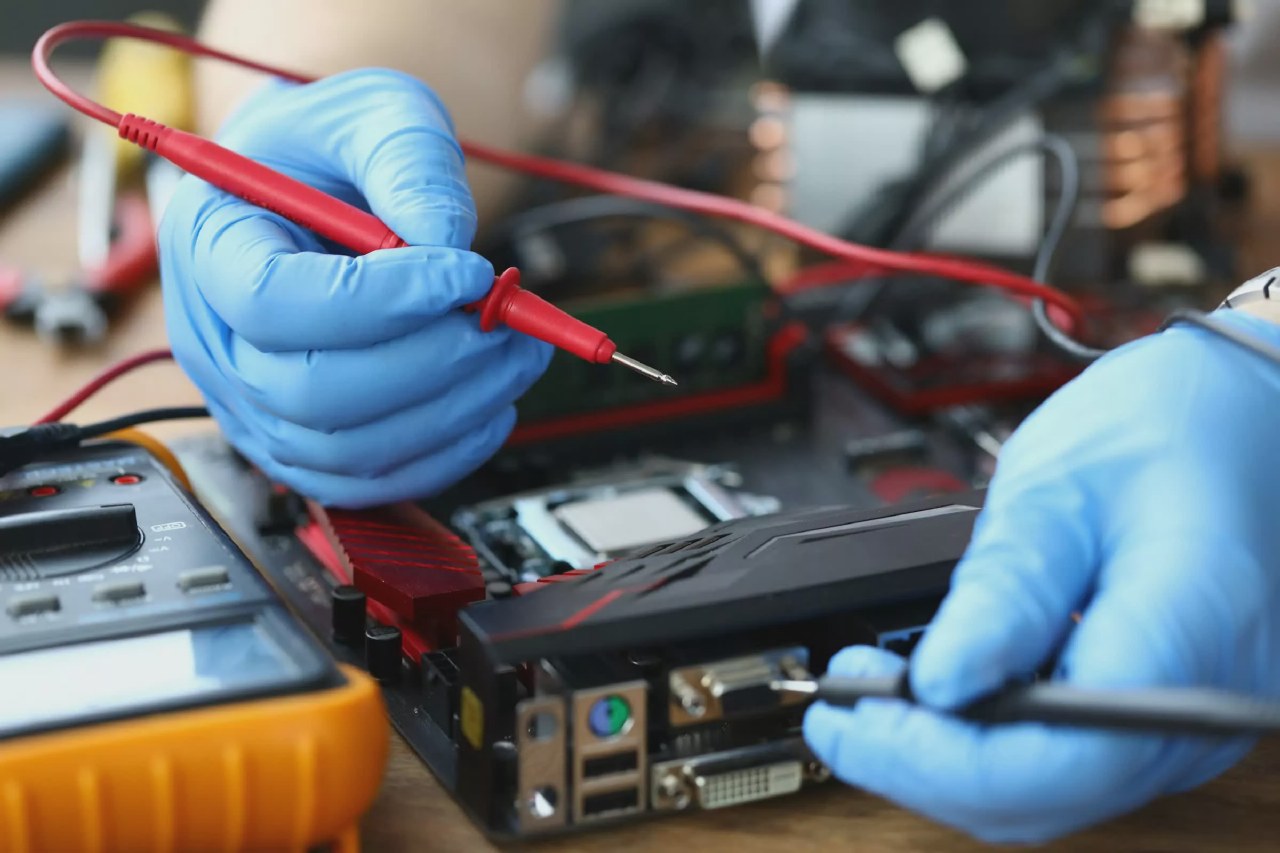
The US Federal Communications Commission (FCC) is reviewing a draft regulation that would mandate radio frequency equipment testing and certification to be performed within the US or in designated reciprocal economies. If approved, the new rules are scheduled to take effect on December 1, 2028.
The proposal targets testing activities for FCC equipment authorization, specifically impacting mobile phones and wireless communication devices. The restriction applies to the location of the laboratory rather than the ownership of the company. Laboratories located in mainland China would no longer be recognized for these specific certifications.
The list of reciprocal economies includes the US, Hong Kong, and Taiwan, but excludes mainland China. The scope of restricted activities covers equipment operation, technical analysis, and the approval of test reports. Research, development, and general administrative tasks remain unaffected by these proposed changes.
According to FCC data, approximately 82% of equipment authorization applications in 2025 were processed in mainland Chinese laboratories, while US facilities accounted for less than 4%. The commission cites concerns regarding supply chain security and regulatory oversight as the primary drivers for this policy shift.
Manufacturers will have a transition period until December 1, 2028, to relocate their certification processes. Existing certifications will remain valid, and pending applications will not be retroactively revoked. Industry analysts suggest that the reallocation of testing resources could potentially increase costs and extend approval timelines for smaller firms.