

The Greensand Future project officially launched in Esbjerg, Denmark, on September 18, 2026. This industrial system integrates carbon capture, transport, and permanent underground storage. The initiative is led by a consortium comprising INEOS Energy, Harbour Energy, and the Danish state-owned Nordsøfonden, supported by an EU grant of €41 million.
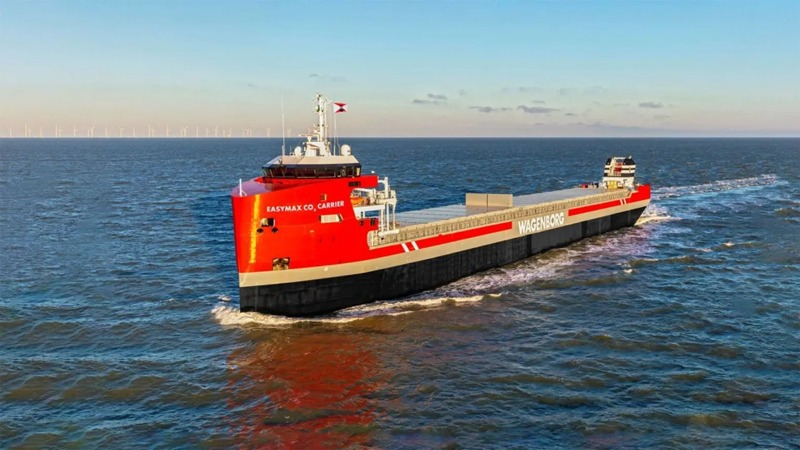
The facility currently processes carbon dioxide generated from biomethane production in Denmark and other European nations. The gas is liquefied, stored at the Esbjerg port terminal, and transported via the Carbon Destroyer 1 vessel. Launched in May 2025, this specialized ship is designed to maintain the cooling and pressure required for liquefied CO2 transport across 250 km to the Nini platform.
At the final stage, CO2 is injected 1,800 meters below the seabed into the depleted Nini West oil reservoir. This geological formation is considered a secure, hermetic storage site. Following a successful pilot phase in 2023, the project has now transitioned into a full-scale industrial operation, marking the first complete cross-border carbon capture and storage chain in the EU.
The consortium plans to scale the project's capacity to between 4 million and 8 million tons of CO2 annually. Future expansion will involve upgrading both onshore and offshore infrastructure to accommodate additional carbon sources. The project aims to serve as a scalable model for a broader European infrastructure dedicated to the transport and long-term sequestration of carbon emissions.



