

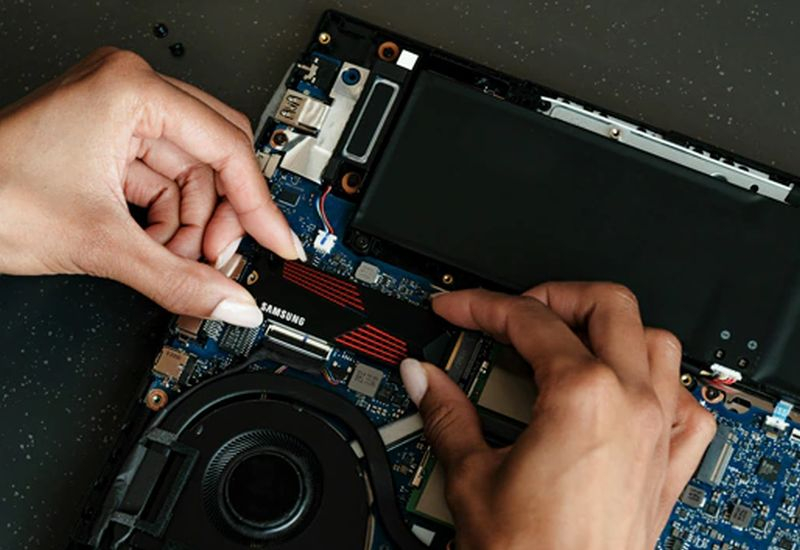
Small-scale manufacturers of smartphones and laptops are struggling with a persistent memory shortage, which industry experts expect to last until 2028. Unlike major corporations such as Apple or Samsung, smaller firms face significant risks of being forced out of the market due to supply constraints.
According to TrendForce, contract prices for DRAM are projected to rise by 13–18% this quarter. For devices priced around $400, memory costs can account for up to 60% of the total production cost. Manufacturers are currently adopting various strategies to mitigate these financial pressures.
Companies like Framework are now placing orders without confirmed pricing, delivery schedules, or volume guarantees. Meanwhile, Jolla has implemented dual motherboard designs to accommodate different memory configurations and conducts rigorous testing on incoming shipments to identify potential counterfeit or refurbished components.
Counterpoint Research forecasts a 13.9% decline in the smartphone market for the current year, with the entry-level segment expected to be the most severely impacted. Manufacturers are adjusting their pricing strategies differently, depending on their specific financial circumstances.


