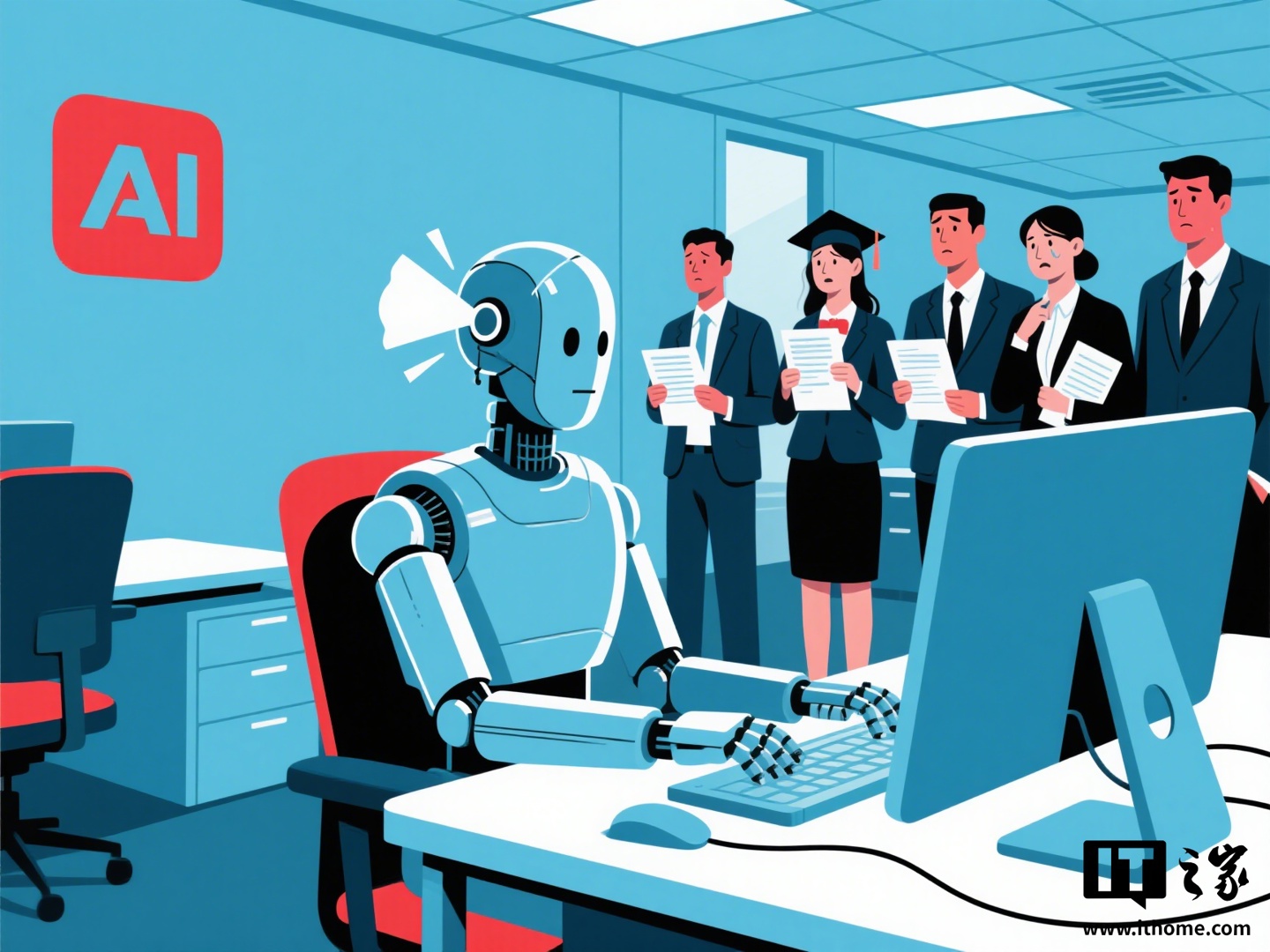
Philip Lane, Chief Economist at the European Central Bank, stated that the widespread adoption of artificial intelligence by companies in the eurozone may weaken the bargaining power of workers regarding wage increases. This trend could potentially lead to a lower share of labor compensation in total income.
Lane noted that while AI has not yet altered overall employment trends, low hiring demand makes it difficult for employees to secure pay raises to offset inflation. This dynamic is cited as a possible reason for the current decoupling of high inflation rates and slowing wage growth within the region.
Furthermore, corporate investment in AI is driving up borrowing costs globally, which contributes to tighter financial conditions in the eurozone bond market. Lane emphasized that the ECB must account for these rising long-term interest rates when determining future monetary policy stances.
Despite these challenges, Lane acknowledged that AI could improve potential economic output and trend growth rates in the long term. He highlighted that the technology might help mitigate the negative economic impact caused by the projected decline in the working-age population across Europe.