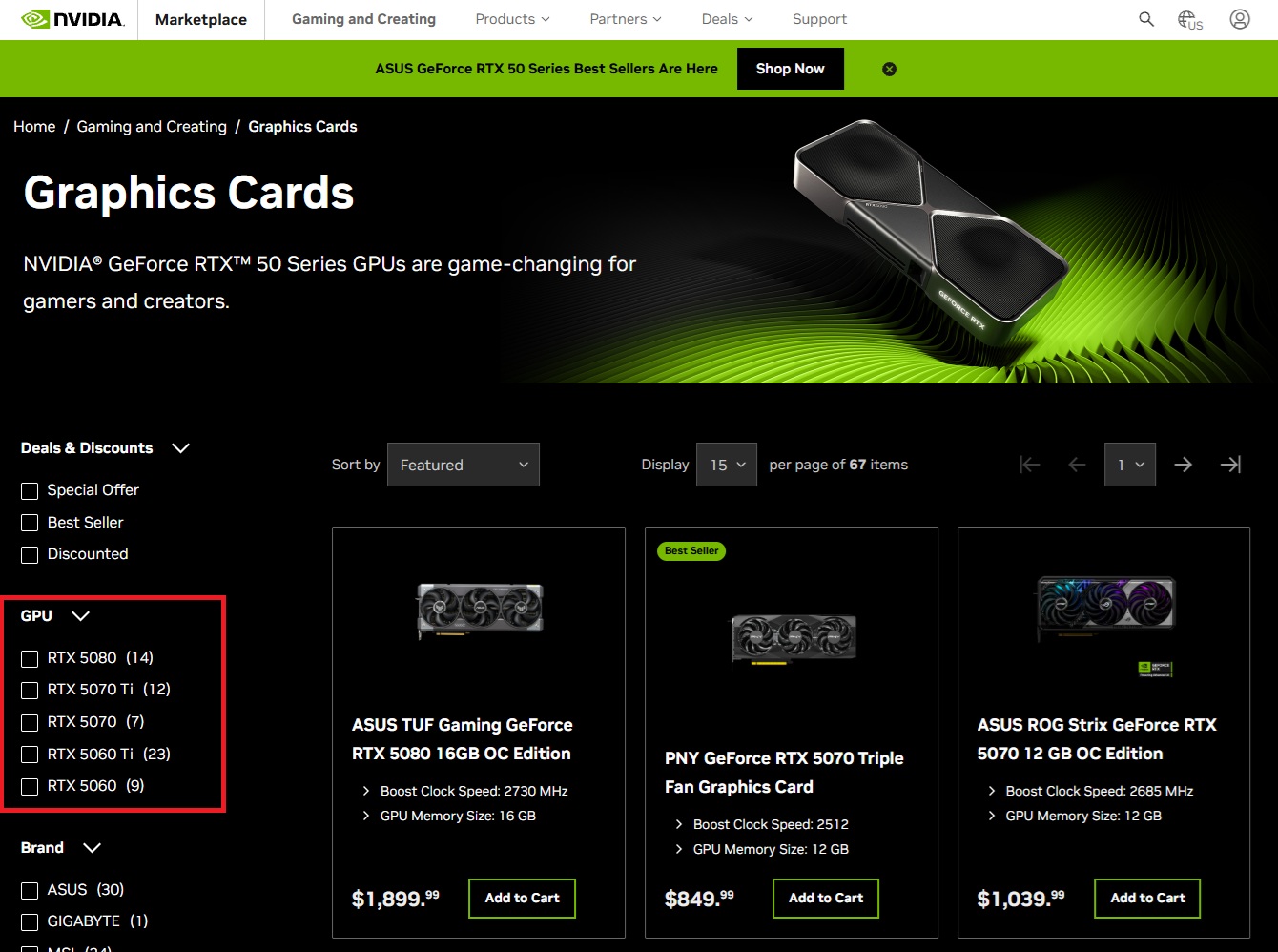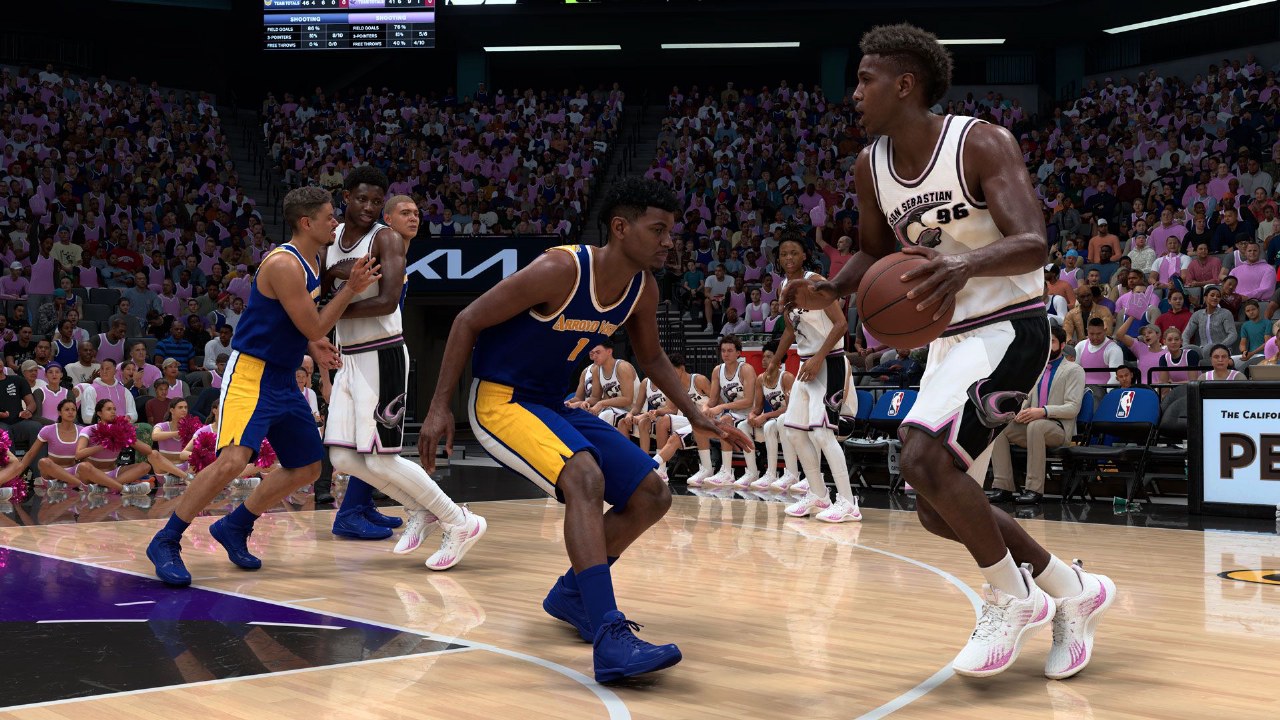
The first official implementation of DLSS 5 in NBA 2K27 shows a significant performance cost, sometimes exceeding 50% on lower-end hardware. However, the technology is accessible to almost all RTX 50-series GPUs, with the RTX 5060 managing nearly 60 FPS on average at 1080p.
At 1440p, the RTX 5070 is considered the baseline for a good experience, while the RTX 5060 Ti, RTX 5060, and RTX 5050 trigger 'Low VRAM' warnings. Users of these cards may need to adjust upscaling settings to reduce VRAM pressure, though this may not significantly increase performance due to the fixed frame-time cost of the DLSS 5 model.
For 4K resolution, Nvidia recommends only the RTX 5080 and RTX 5090. These are the only cards capable of delivering high baseline performance and low enough input latency to make Multi Frame Generation (MFG) practical. Other cards, such as the RTX 5070 Ti, struggle with high input latency at this resolution.
Power consumption increases with output resolution. The MSI RTX 5090 Lightning Z, an unconstrained version of the RTX 5090, reached an average of nearly 850W in 4K tests. This version provides 22% higher performance compared to the RTX 5090 Founders Edition, consuming 48% more power.
Nvidia has pledged to bring DLSS 5 support to RTX 40-series cards later this year. The company also promised to continue improving the fundamental performance of the DLSS 5 model over time.