Chinese smartphone manufacturers are increasingly integrating local CXMT memory chips into their flagship devices. This shift is driven by supply shortages and the rapid production scaling of Chinese memory makers, which challenges the dominance of South Korean suppliers like Samsung and SK hynix.
The recently launched Nubia NaviX Ultra features CXMT LPDDR5X memory operating at 10667 MT/s. The device is priced at $885 and includes AI agent support. CXMT has been offering LPDDR5X variants with speeds of 8533 and 9600 MT/s since late last year.
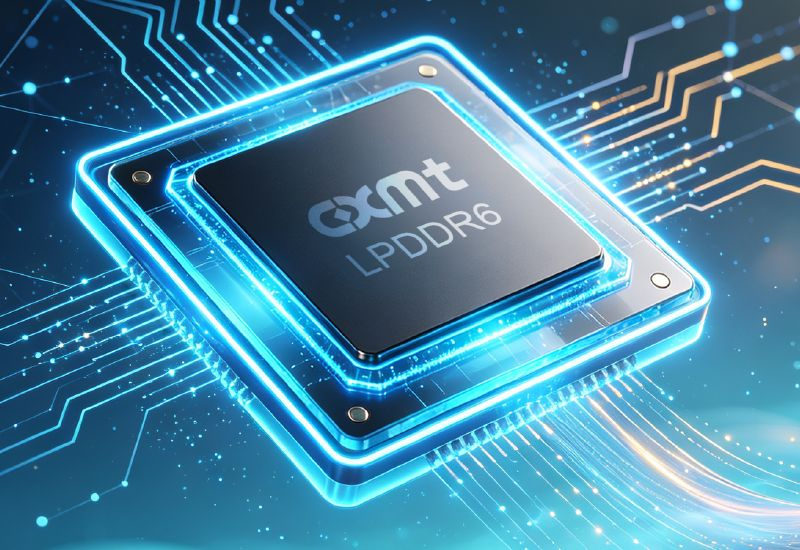
Xiaomi and Transsion have also adopted CXMT LPDDR5X memory. Furthermore, Xiaomi's new foldable smartphone, the Xiaomi 18 Fold, utilizes CXMT LPDDR6 chips with a maximum capacity of 16 GB and a speed of 12800 MT/s.
In the second quarter of 2026, CXMT captured a 9.5% share of the global DRAM market by revenue, up from 7.6% in the first quarter. Following its recent IPO, the company has become the most valuable public firm in China and plans to invest the proceeds into expanding production capacity.
Apple has reportedly considered using CXMT memory for iPhone and MacBook models sold in China, though US trade restrictions prevent their use in products for the American market. Meanwhile, competitors like Micron remain heavily booked with orders for at least a year.