Google has released the stable version of Chrome 155, introducing native support for JPEG XL image decoding. This format supports progressive decoding, wide color gamut, HDR, high bit depth, and animation. The update also enhances web application window control, allowing authorized apps to manage window states like maximizing, minimizing, and resizing.
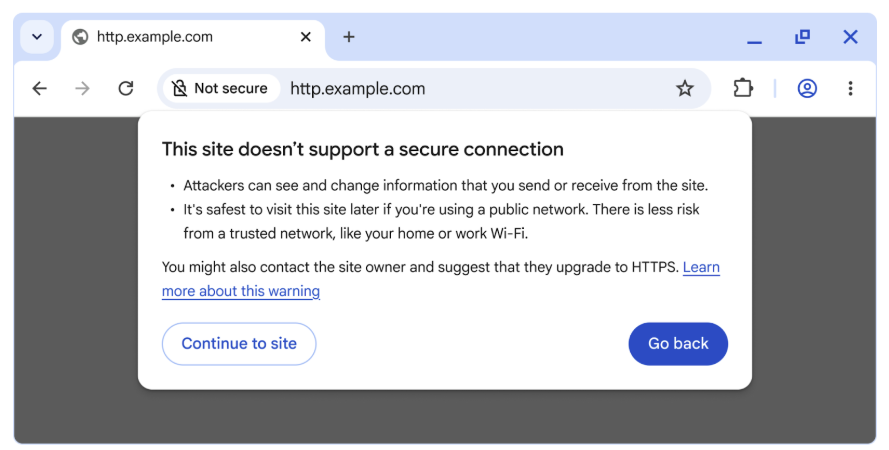
Security improvements are a major focus of this release, with Google patching 247 vulnerabilities, including four critical memory-related flaws. HTTPS First mode is now enabled by default for all users, automatically upgrading HTTP requests to HTTPS for public websites. The browser will issue warnings if a secure connection cannot be established.
For developers, the update introduces new cryptographic standards, including ML-KEM (768, 1024), ML-DSA (44, 65, 87), and X-Wing. Other technical additions include the Digital Credentials API, updates to WebGPU and WebTransport, and new policies for hidden iframe audio playback.
The browser interface has also seen adjustments, specifically a new profile creation screen for Windows users. Linux and macOS users are expected to receive this feature in Chrome 158. Additionally, the extensions management page now includes direct options for users to rate and review installed add-ons via the Chrome Web Store.
Google has scheduled the release of Chrome 156 for October 20. The company maintains an eight-week support cycle for its extended stable versions. These updates reflect ongoing efforts to improve both user security and developer capabilities within the Chrome ecosystem.