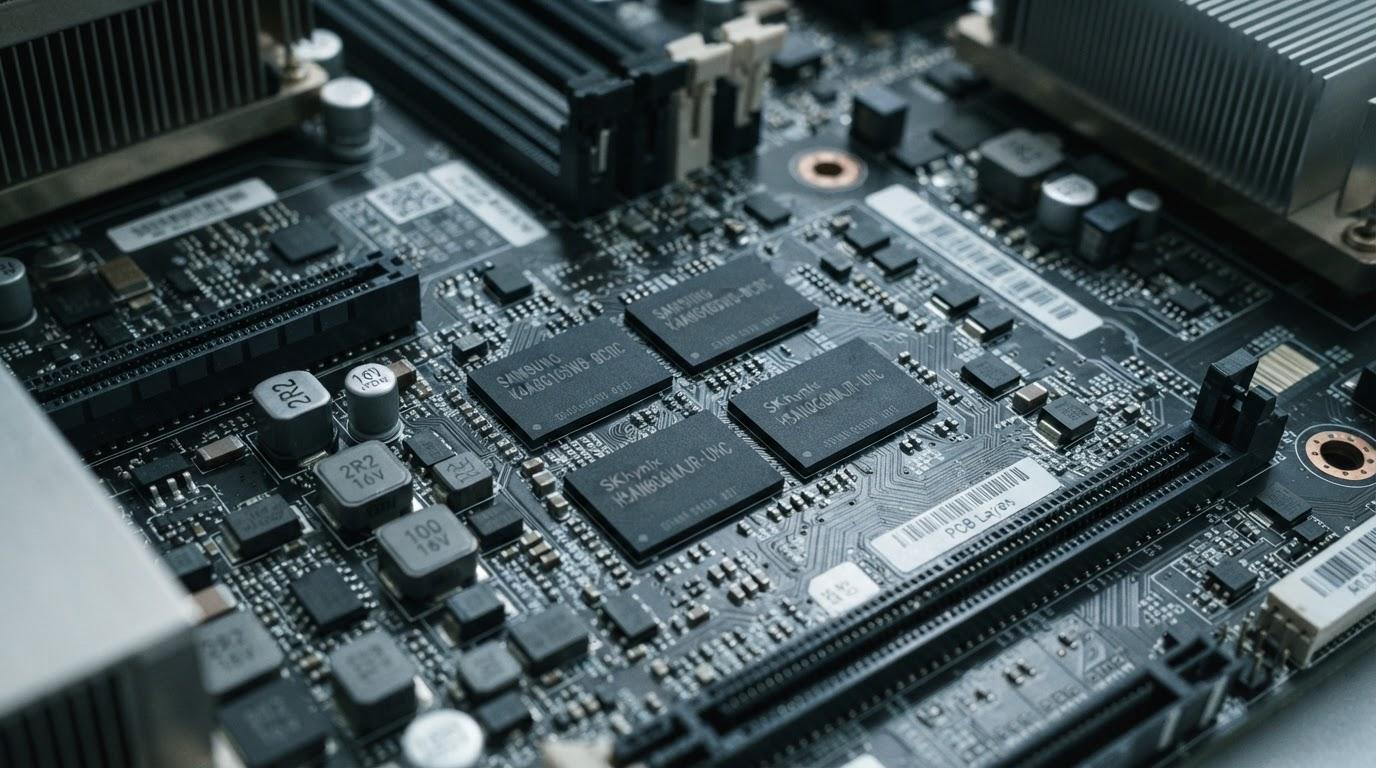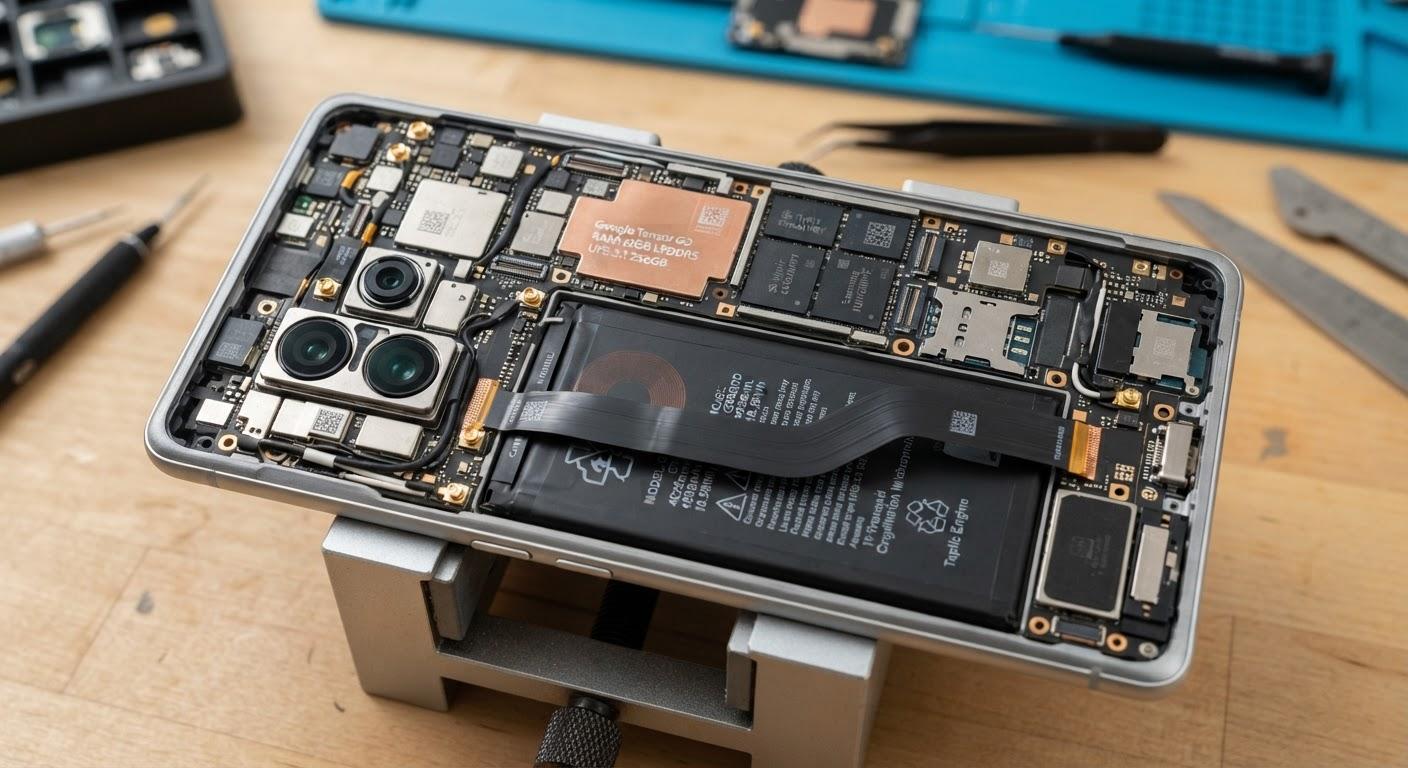
Chinese smartphone manufacturers are increasingly integrating recycled DRAM chips into new devices. This practice involves extracting memory modules from hardware that is five to six years old, testing them for functionality, and soldering them onto new circuit boards to mitigate rising component costs.
The surge in DRAM prices and supply shortages, driven by the expansion of artificial intelligence infrastructure, has forced some companies to reduce production volumes. Utilizing secondary-market memory serves as a strategic measure to maintain output levels and control manufacturing expenses despite the inherent risks associated with component age and performance variability.
A specialized industry has emerged in China dedicated to the recovery, verification, and resale of these memory components. Beyond the mobile sector, companies like Google are adopting similar circular economy strategies, such as developing adapters to repurpose DDR4 modules from decommissioned servers for use in new artificial intelligence systems.