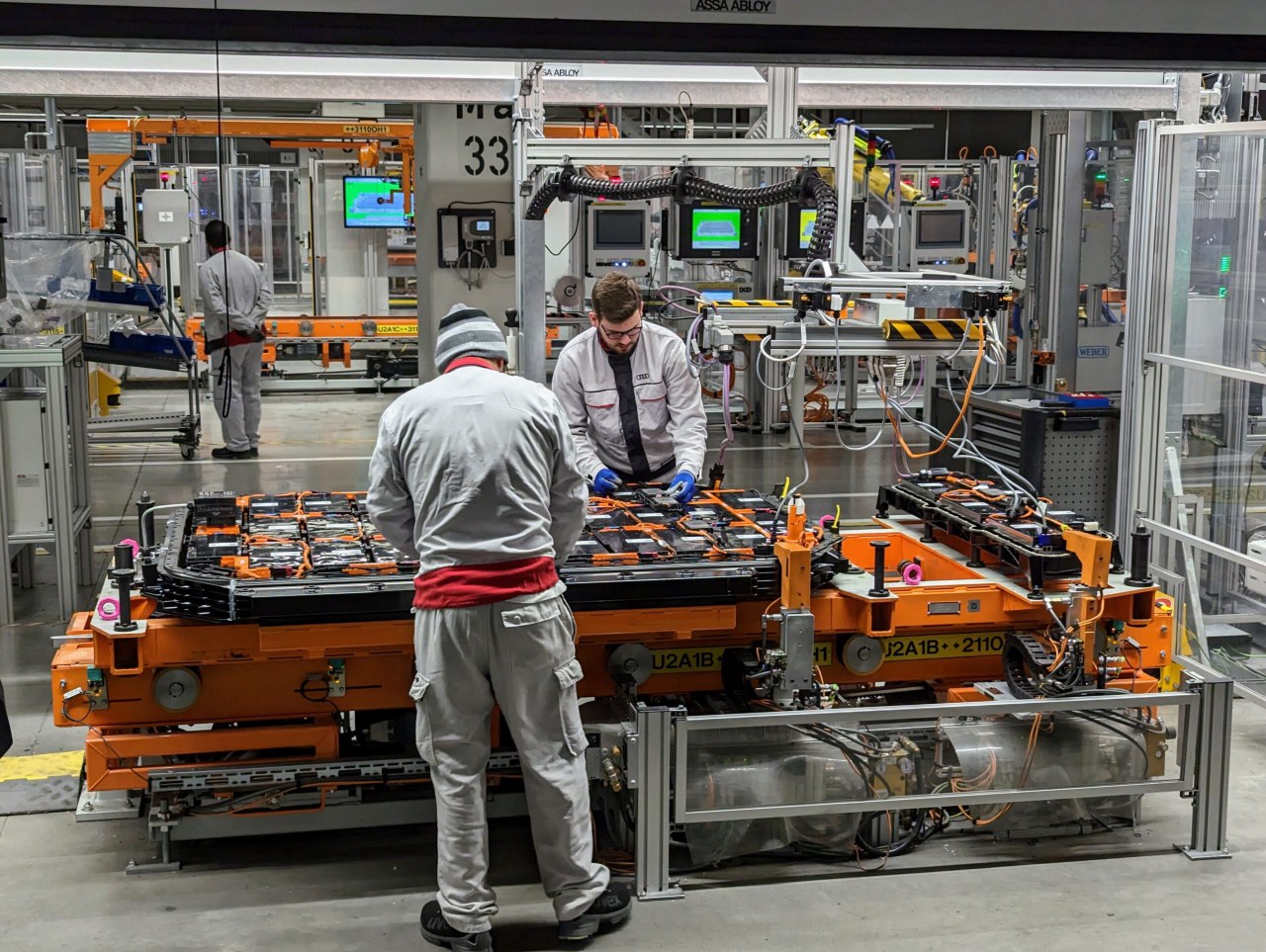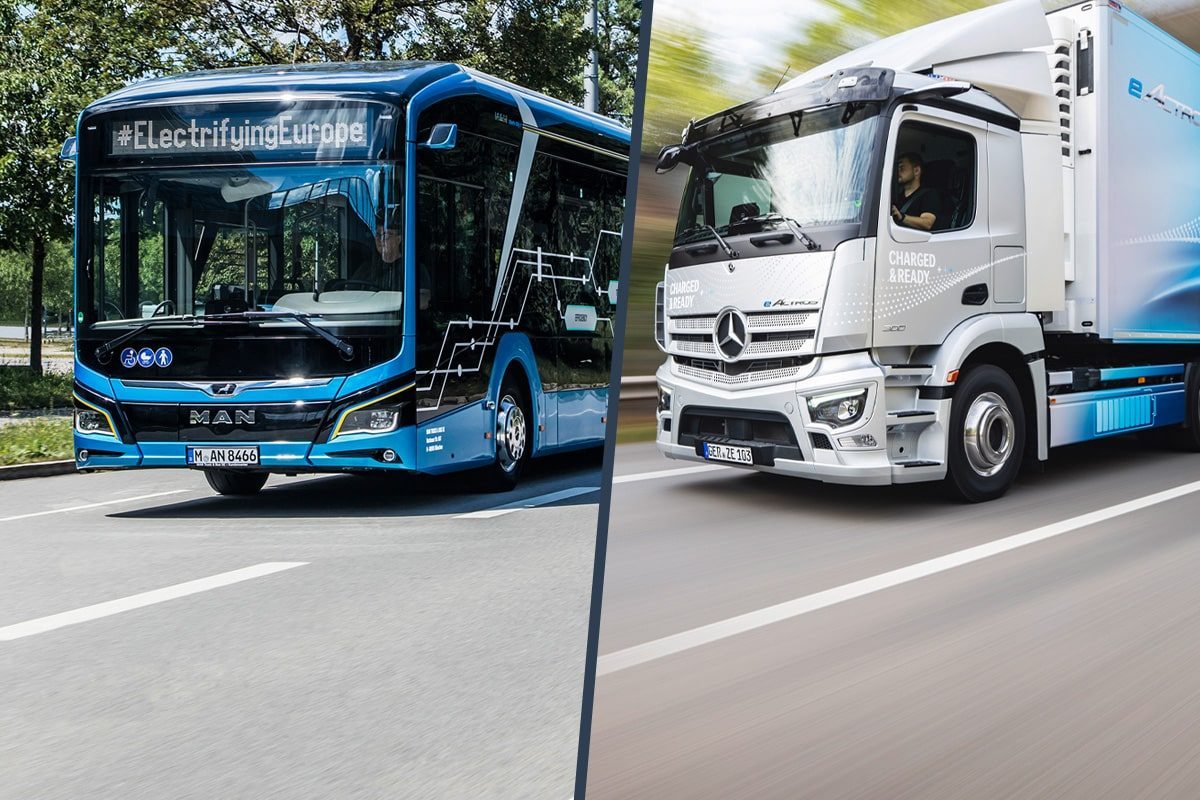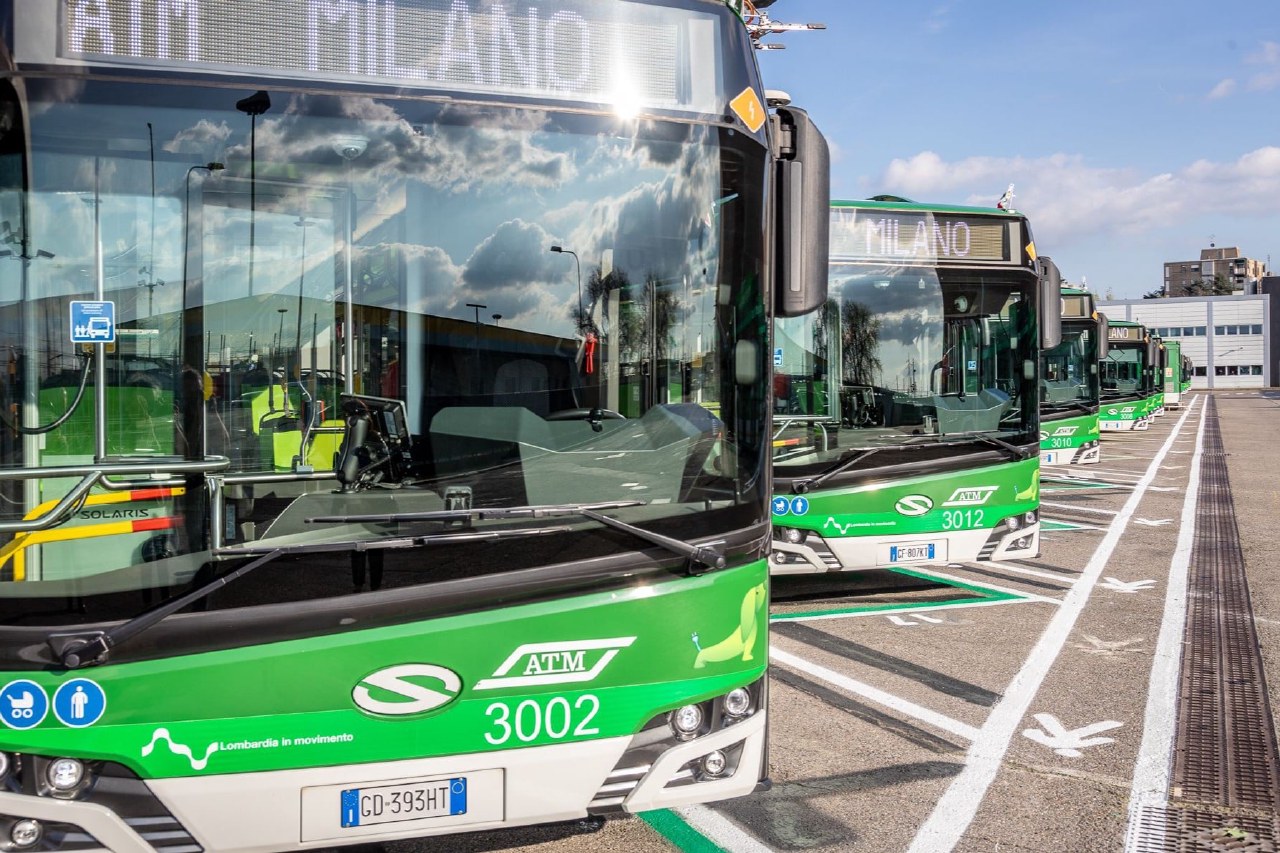
By the end of 2025, China operated 551,400 new-energy urban buses, accounting for 87.5% of the total fleet. This scale has forced the country to address the management of large volumes of retired electric vehicle batteries as they reach the end of their automotive service life.
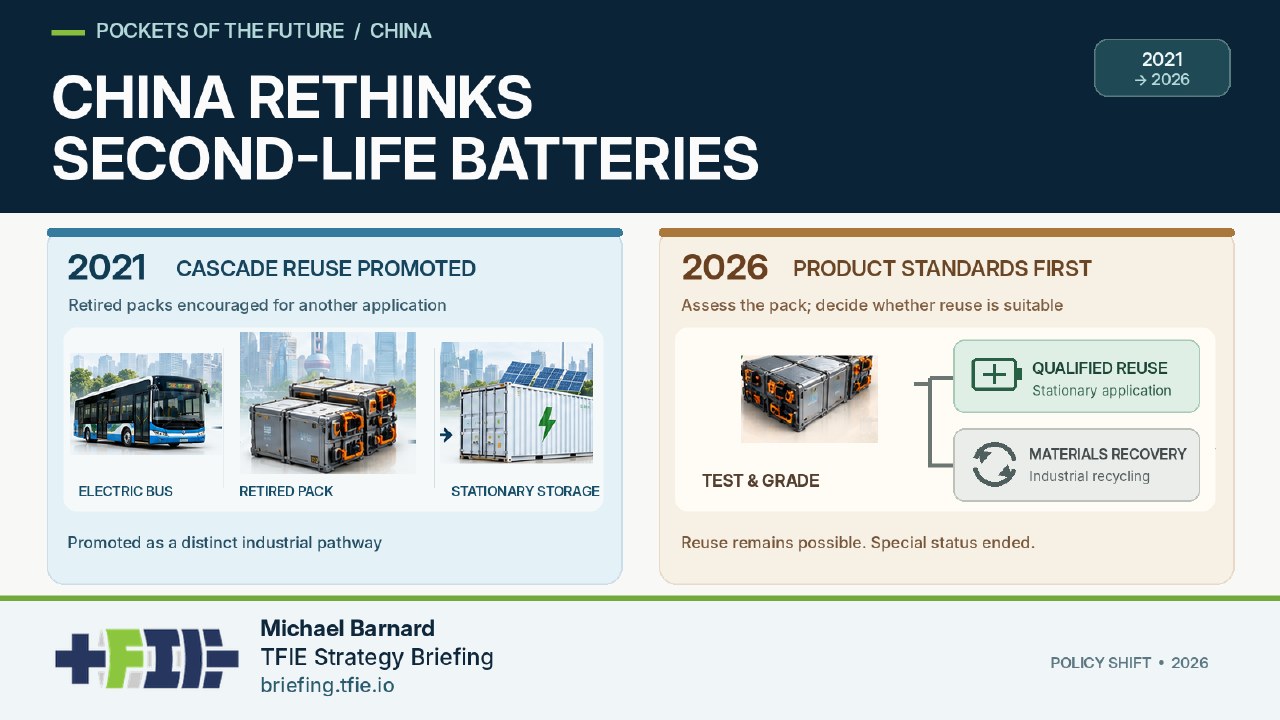
In 2021, the Chinese government promoted the use of retired batteries for stationary energy storage and backup power. However, new regulations effective in April 2026 repealed this cascade-utilization framework. A July 30 announcement from the Ministry of Industry and Information Technology removed special recognition for companies in this sector and halted promotional activities.
The government has prohibited the use of retired batteries in electric bicycles and other restricted applications. Officials cited safety concerns regarding the reassembly of batteries with inconsistent cell conditions and varying capacity. Products using retired cells must now meet strict safety standards to be legally utilized.
Economic factors are also reshaping the industry. The cost of new lithium iron phosphate batteries has dropped, making it difficult for reconditioned packs to compete. The expenses associated with testing, repackaging, and providing warranties for used cells often negate the potential savings compared to purchasing new units.