

China has unveiled a new five-year development plan for the battery industry covering the period from 2026 to 2030. The strategy, led by the Ministry of Industry and Information Technology alongside six other authorities, aims to scale up the production of solid-state batteries by 2030.
The plan focuses on overcoming technical hurdles such as ionic conductivity and cycle stability. It includes scaling the production of solid electrolytes and developing high-voltage cathodes paired with lithium-metal or anode-free designs. Manufacturers are expected to reach a defect rate at the PPB level.
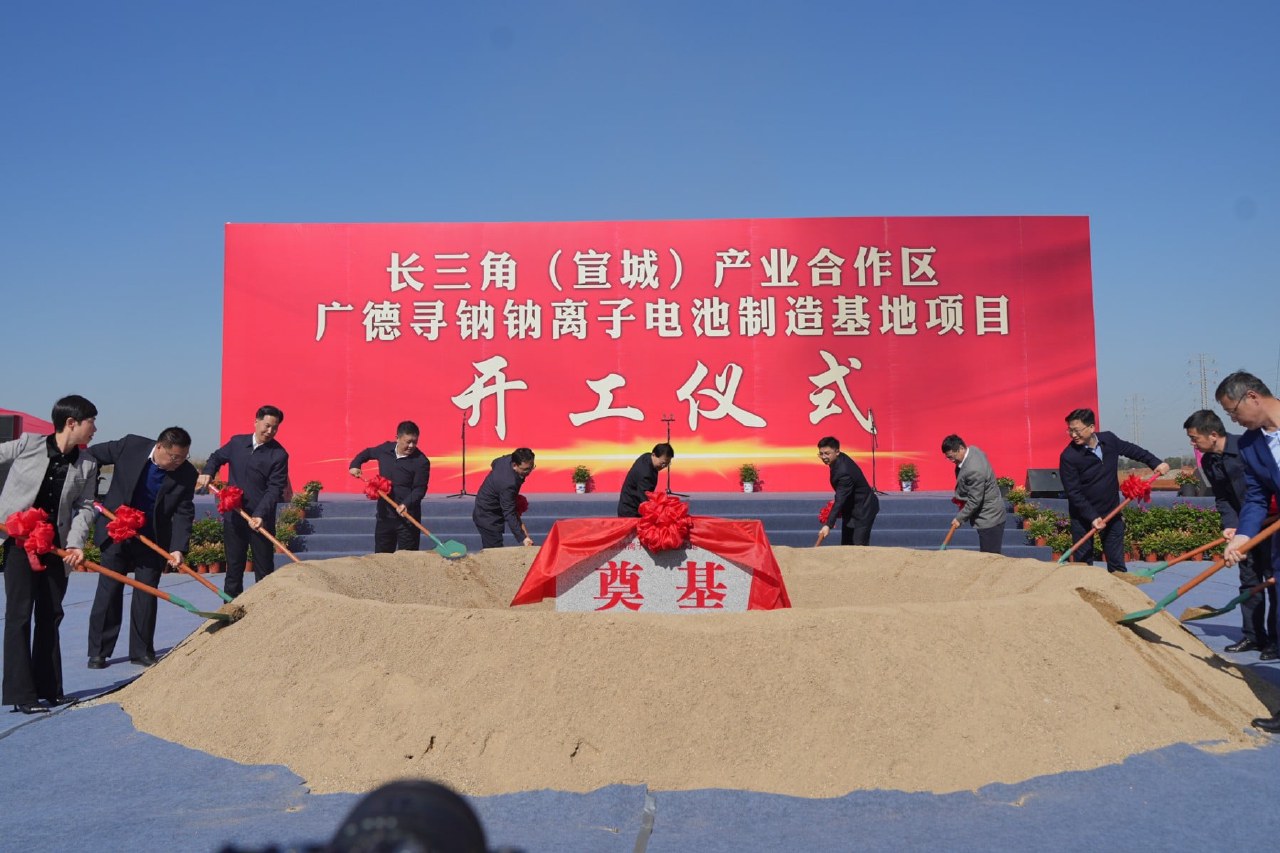
Beyond solid-state technology, the government is promoting sodium-ion and redox flow batteries. For lithium-ion batteries, the target is set at 15 000 charge and discharge cycles. The strategy also prioritizes industry consolidation through mergers and the expansion of domestic raw material extraction.
New regulations require manufacturers to establish recycling systems proportional to their sales volumes. Additionally, China is exploring digital battery passport systems and the mutual recognition of CO2 footprint data to align with international standards.
Tax policies are shifting to favor new technologies. While lithium-ion batteries face a consumption tax rising to 4 percent by 2027, sodium-ion and solid-state batteries remain exempt until the end of 2028. State support is increasingly directed toward industrial scaling and infrastructure.



