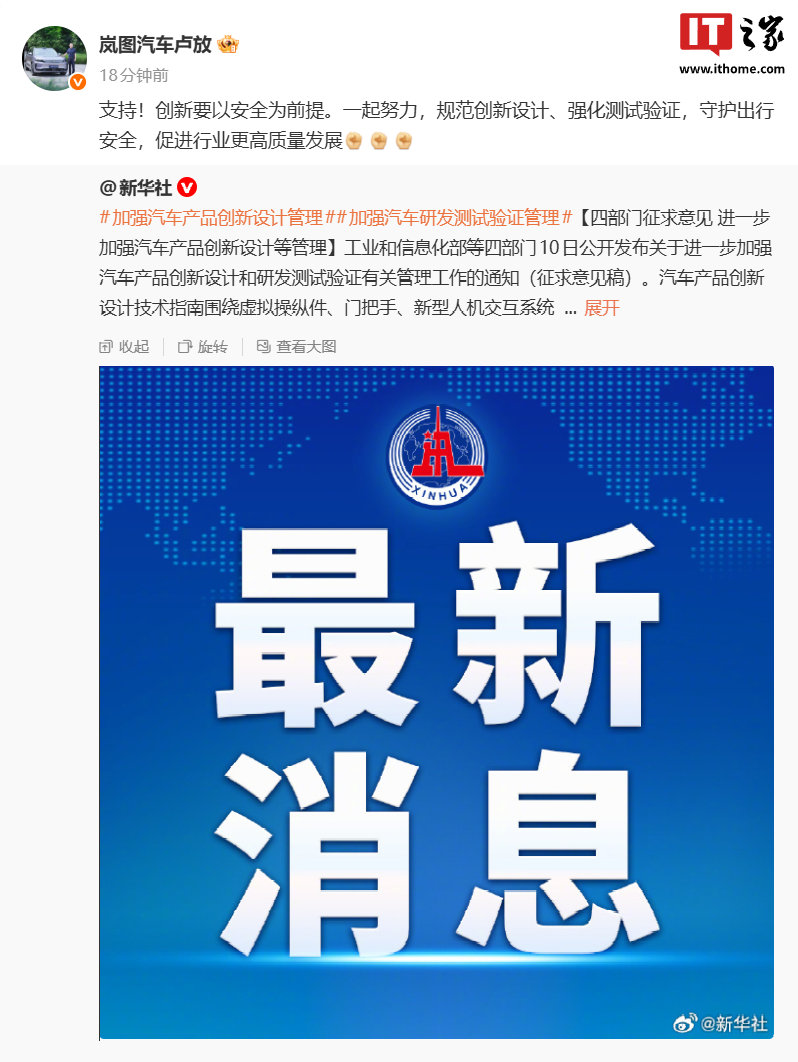
Four Chinese government departments, including the Ministry of Industry and Information Technology, have released a draft notice aimed at strengthening the management of automotive design and testing. The document outlines specific requirements for virtual controls, door handles, human-machine interfaces, and seat configurations.
The guidelines mandate that manufacturers conduct safety risk assessments during the research and development phase. Companies must analyze failure modes under extreme conditions and complex scenarios. Any design that fails to meet safety standards is prohibited from being implemented in production vehicles.
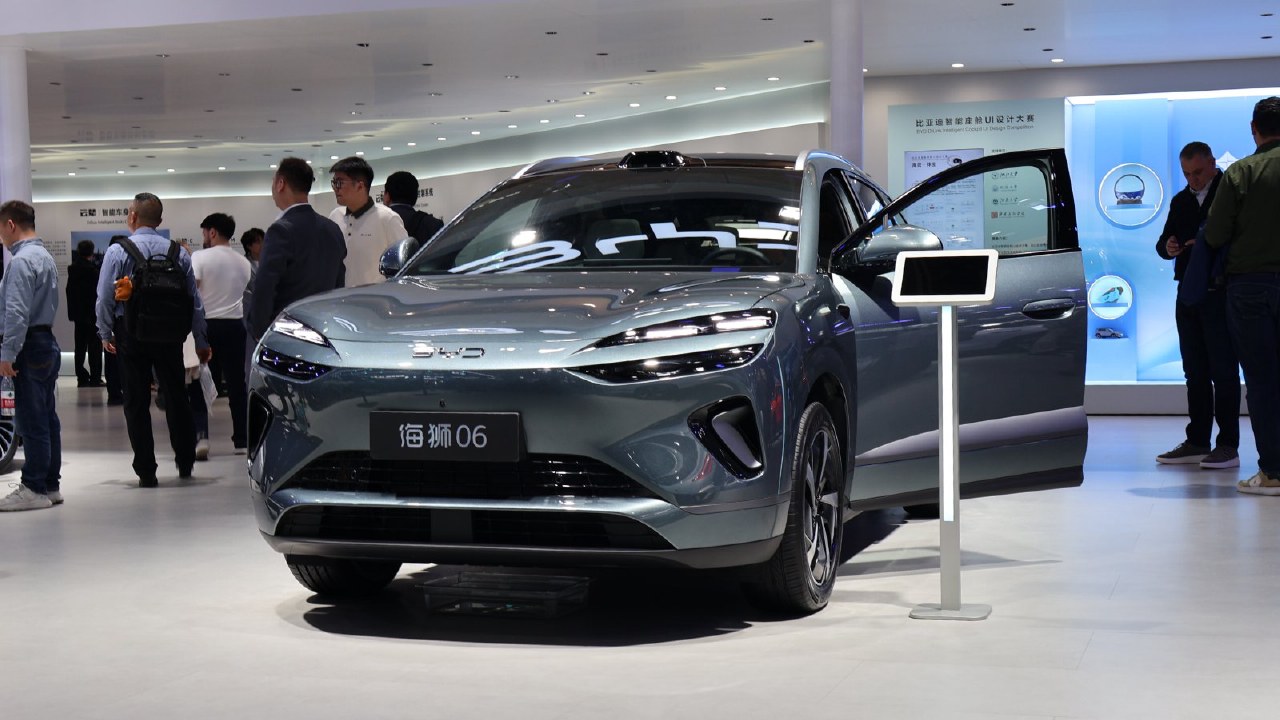
New regulations require emergency controls, such as braking and power-cut systems, to feature physical buttons and clear markings. For door handles, manufacturers must ensure functionality in extreme environments and provide mechanical redundancy. Fully hidden door handles are now prohibited.
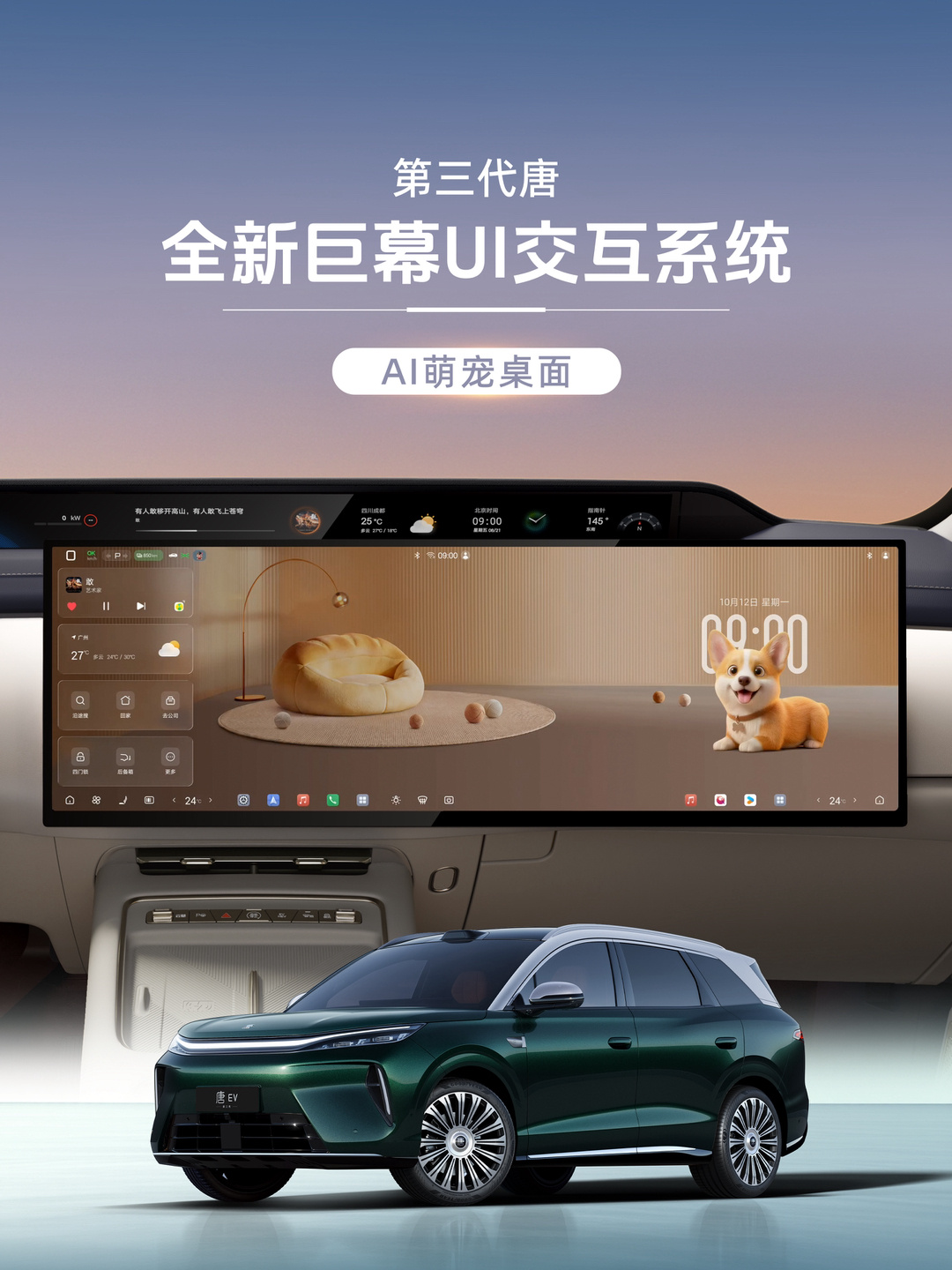
The guidelines also restrict the use of certain seat features while the vehicle is in motion, including zero-gravity modes, rotating seats, and beds. Furthermore, manufacturers must evaluate the impact of large infotainment screens and complex head-up displays on driving safety and system reliability.
Luan Fang, Chairman of Loya Auto, publicly expressed support for the new measures. He emphasized that innovation must prioritize safety and stated that the industry should focus on standardized design and rigorous testing to ensure high-quality development.