China has introduced a consumption tax on specific lithium-ion batteries, while exempting sodium-ion batteries, solid-state batteries, and fuel cells until December 31, 2028. Starting September 1, 2026, lithium-ion batteries became subject to a 2% tax, which will increase to 4% on September 1, 2027.
Hina Battery is scaling its commercial operations, including a new 10 GWh production base in Wuhan. Construction of the facility is set to begin in early 2027, with initial production expected by the end of that year. The company is also partnering with Chengli Special Automobile Group to develop sodium-ion-powered sanitation vehicles.
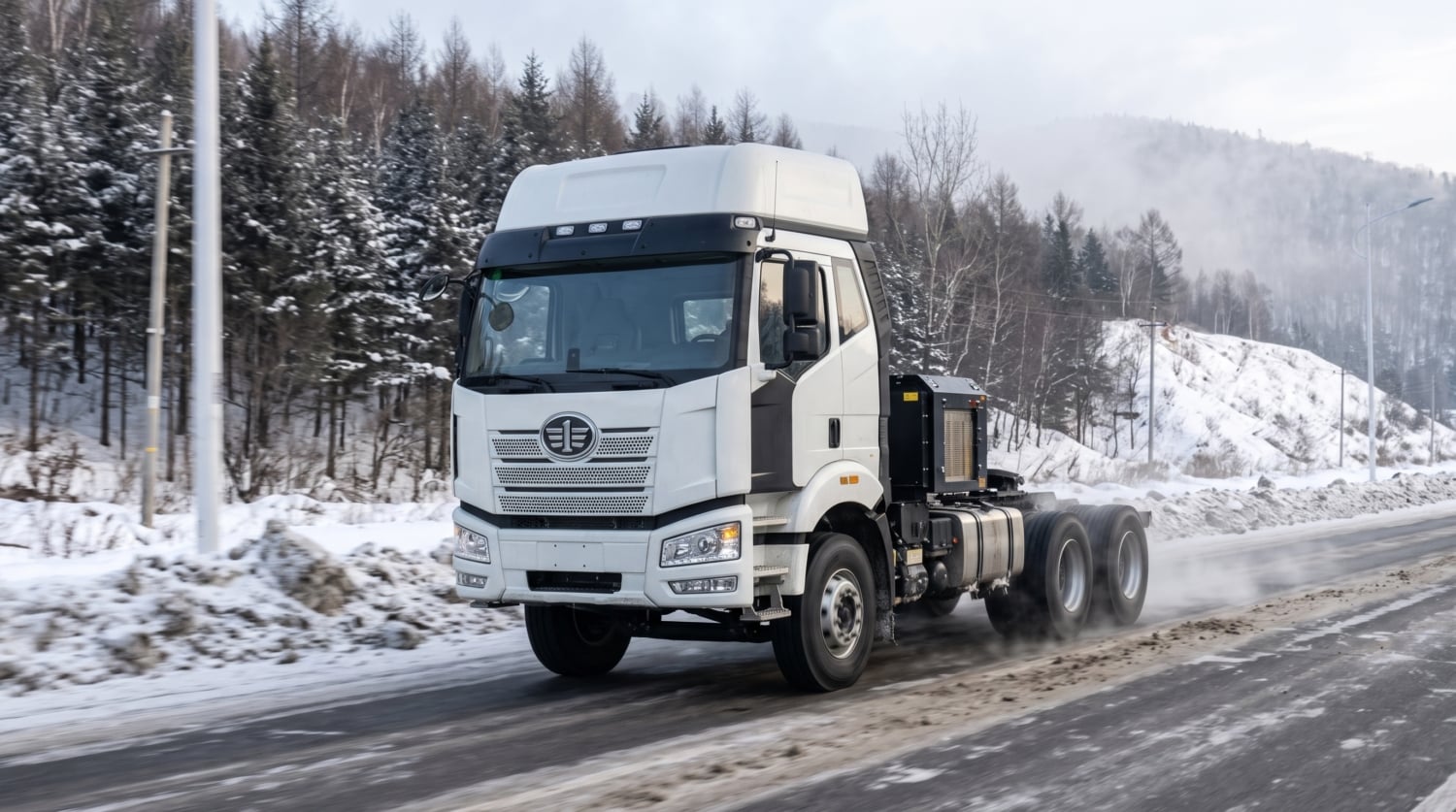
Technical testing shows promise for heavy-duty applications. A FAW Jiefang J6P truck with a 339 kWh Hina battery retained over 90% capacity at minus 40 degrees Celsius during trials. Additionally, Hina delivered a 676 kWh battery system for a mining truck to the Tangshan Sanyou mine in August 2026.
Despite the tax exemption, sodium-ion batteries face competition from lithium iron phosphate (LFP) cells, which currently benefit from lower lithium carbonate prices. Sodium-ion technology also faces challenges regarding energy density, with Hina listing a gravimetric energy density of at least 145 Wh/kg.