CATL is implementing a strategy to promote sodium-ion batteries by integrating them into its Choco-Swap battery-swapping network. The company aims to mitigate the lower energy density of these batteries, which limits vehicle range, by allowing drivers to quickly exchange depleted units for fully charged ones instead of waiting for traditional charging.
The company currently operates stations in approximately 200 Chinese cities and plans to expand this network to over 3,000 locations by the end of 2026. For comparison, the network consisted of 1,020 stations across 45 cities in December 2025. CATL manages these assets through a battery-leasing model.
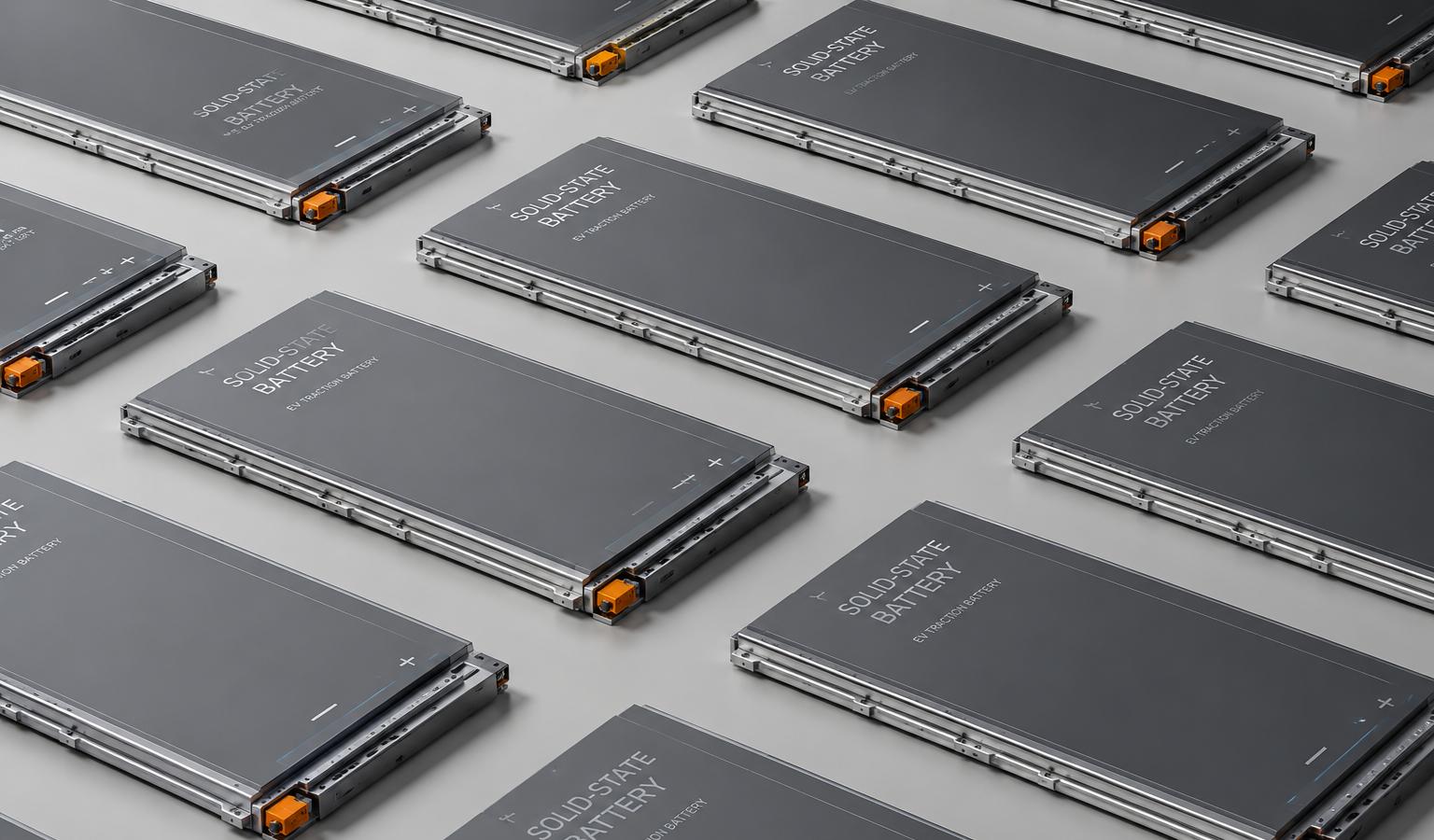
Sodium-ion technology offers advantages such as improved performance in cold climates, where batteries retain over 90% of capacity at -40 degrees Celsius, along with higher safety and lower price volatility compared to lithium. Current units, such as those used in vehicles with Changan, provide an energy density of up to 175 Wh/kg and a range exceeding 400 km.
CATL is launching its Naxtra sodium-ion batteries within the swap network this year, targeting between 10,000 and 20,000 electric vehicles in 2026. To support this, the company has announced an investment of $735 million to build production facilities with a total capacity of 40 GWh.