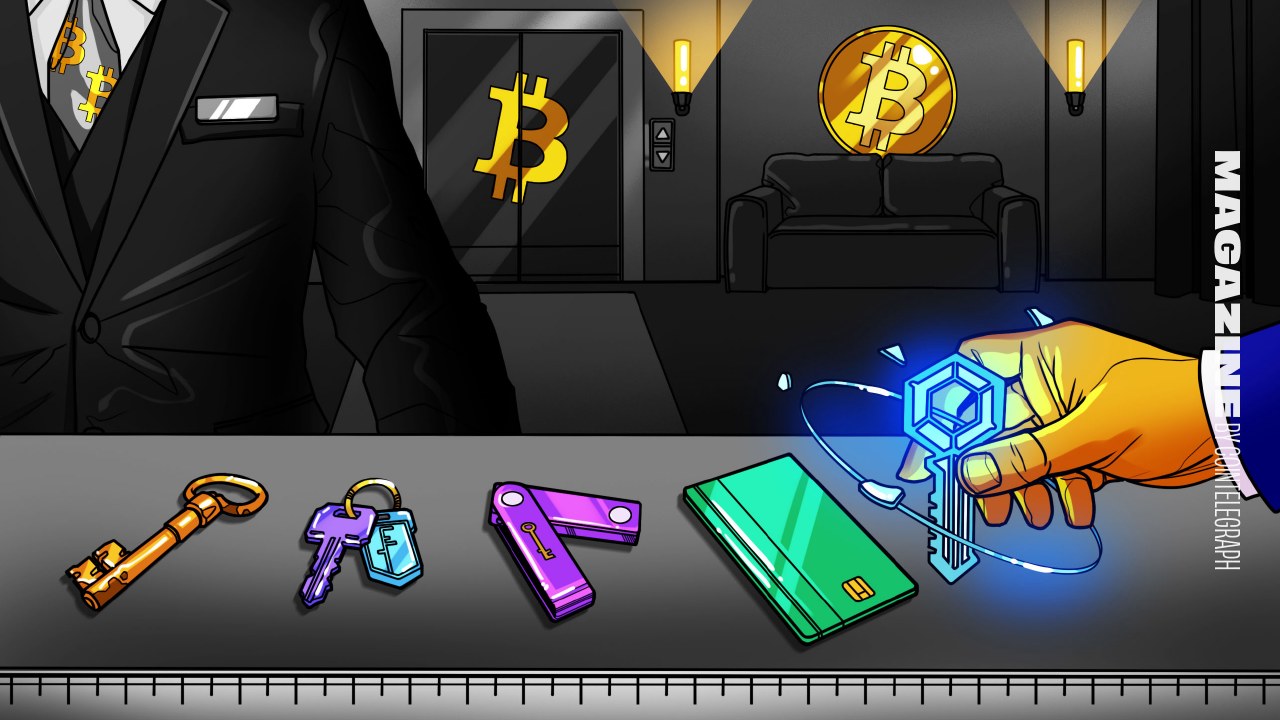
Recent security incidents involving Ledger and Coldcard wallets, which resulted in losses exceeding $200 million, have prompted investors to seek alternative storage methods. These cases involved tampered devices and issues with random seed generation, leading to a decline in trust toward traditional hardware wallets.
Crypto ETFs are gaining traction as an alternative, allowing investors to hold shares in financial products rather than direct assets. While this approach simplifies security and tax planning, it introduces reliance on centralized custodians and potential price deviations. Figures like PlanB have shifted to ETFs for peace of mind.
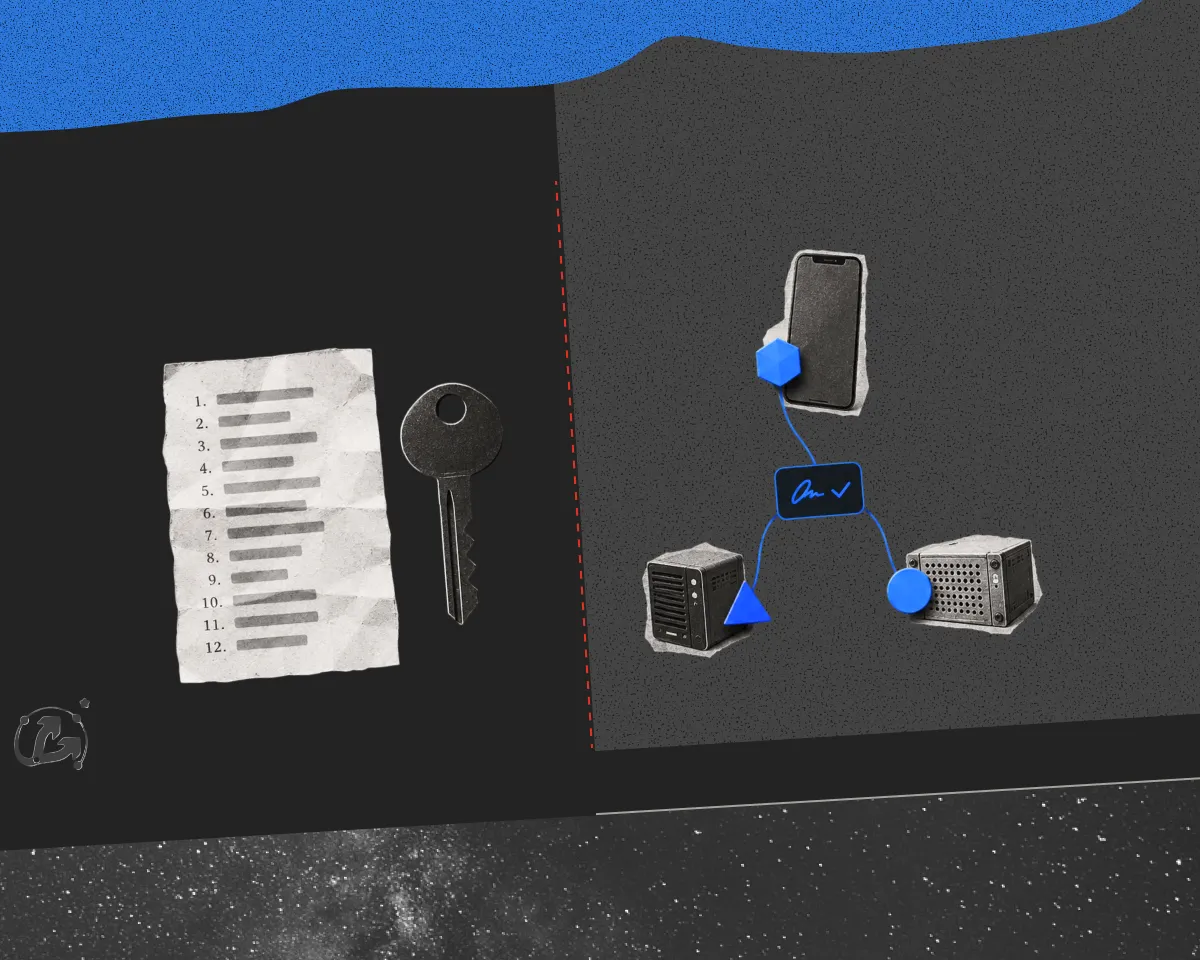
Passkeys offer a device-agnostic way to manage accounts using biometric or PIN authentication, though they may involve third-party dependencies. Multisig wallets, such as those provided by Casa or Safe, distribute authorization across multiple keys to mitigate single-point-of-failure risks, despite potential complexities in coordination.
Centralized exchanges remain a popular choice for convenience, though they require users to trust the platform's security and regulatory compliance. Paper wallets provide an offline storage option but are prone to physical damage and security risks during the generation process, making them less practical for most users.