

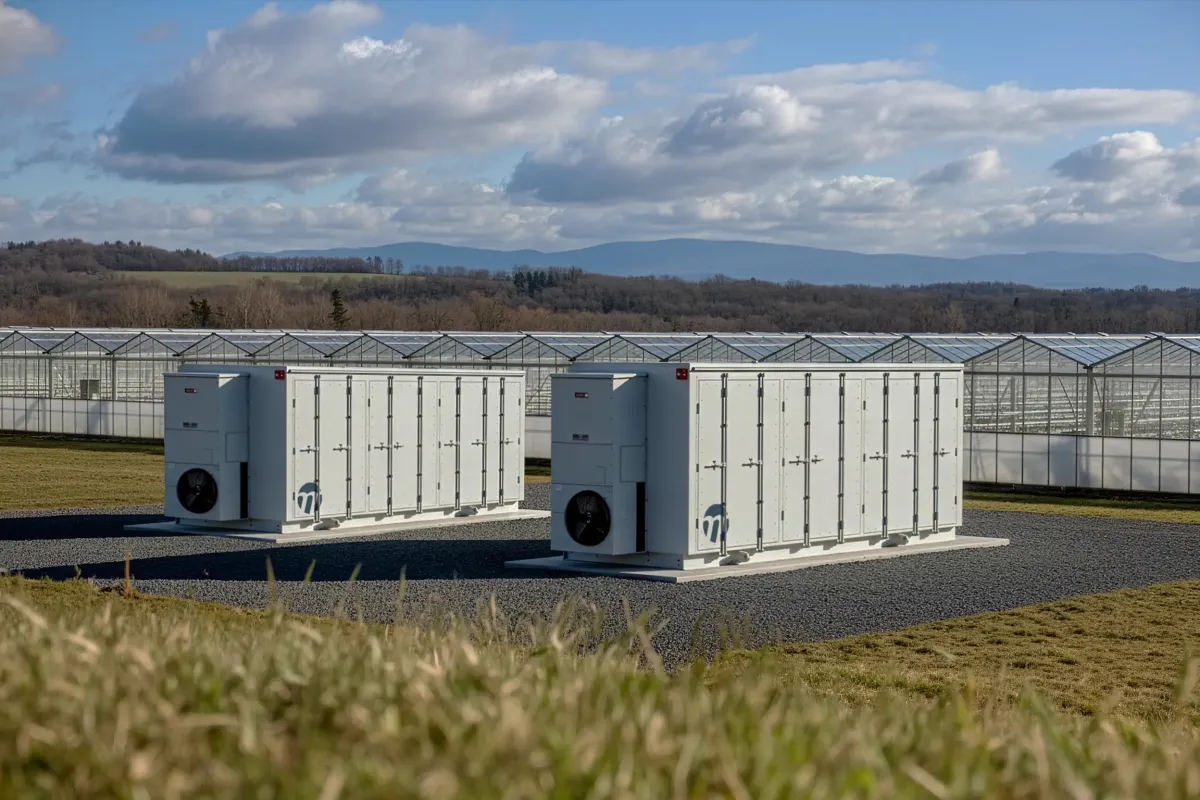
Battery storage systems with a four-hour duration are now more cost-effective than open-cycle natural gas turbines. This shift was observed across all 43 markets analyzed by Wood Mackenzie, marking a significant change in power generation economics.
The rising costs of gas turbines are largely driven by high demand from AI data center developers. Procurement times for these turbines have increased, with waitlists for closed-cycle models extending into the early 2030s, while open-cycle units now require two to four years to acquire.
Wood Mackenzie projects that battery electricity costs will continue to fall, while gas turbine expenses are expected to rise. By 2035, four-hour batteries in the Middle East and Africa are forecast to be 33 percent cheaper than gas peaking plants.
Solar energy remains the most affordable new power source globally. In the United States, 168 gigawatts of utility-scale solar capacity are protected from near-term price volatility through tax credits for projects starting construction before the end of 2027.


