

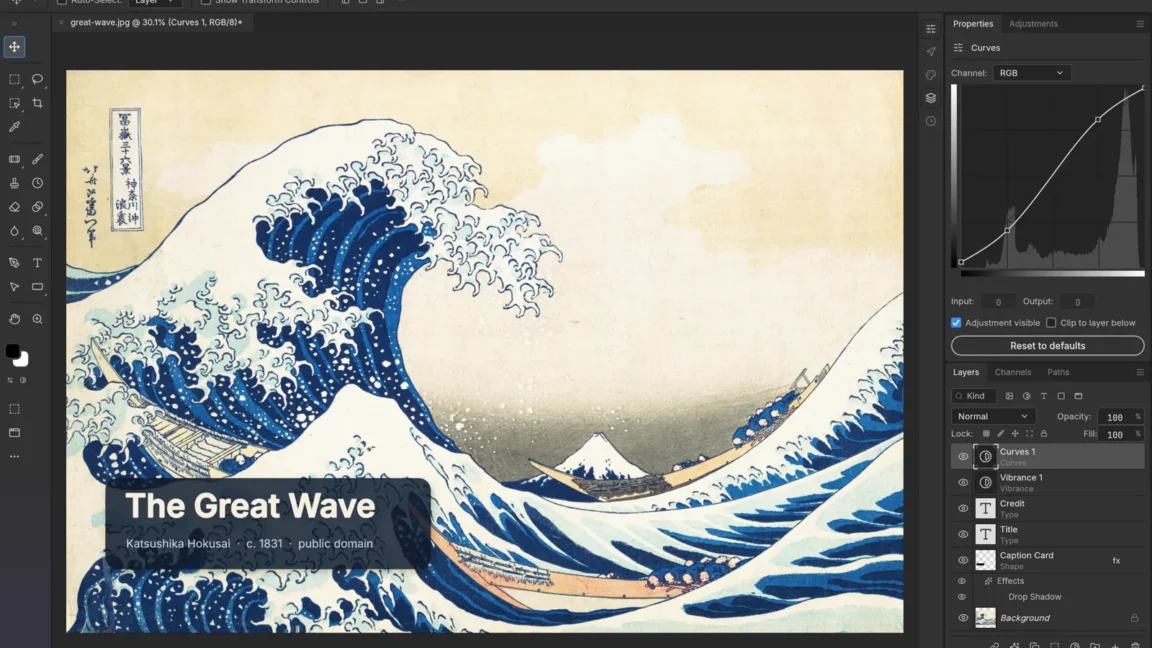
Artcraft, originally a tool for AI-assisted image and video editing, has launched a suite of seven open-source applications. These tools aim to replicate the functionality of Adobe Photoshop, Illustrator, Premiere, Lightroom, After Effects, InDesign, and Acrobat Pro. Developer Brandon Thomas built these replacements using Rust and WebAssembly with the assistance of Anthropic’s Claude Opus 5.5.
The project is currently in an early alpha stage. Thomas initially claimed he would reach full feature parity within a month, though he later adjusted this expectation to a timeline measured in months rather than years. The software is released under MIT and Apache licenses, with development funded by selling token-based access to the Artcraft visual AI model and integrated development environment.
Thomas, who cites a decade of experience with Rust, initiated the project after frustration with Adobe’s cancellation fees. He intends to use AI to accelerate the reverse engineering of complex software suites. While the project aims to provide functional alternatives to proprietary tools, legal experts note potential risks if the interface design too closely mimics Adobe’s established trade dress.
The developer views this initiative as part of a broader shift where AI enables individuals to recreate popular paid software. Thomas stated his goal is to build open-source alternatives for various technologies, including search engines and smartphone platforms, to eliminate advertising and proprietary restrictions.



