The UK-based Advanced Research + Invention Agency (ARIA) has allocated £70 million to support 18 projects focused on developing high-altitude platforms, often called flying satellites. These vehicles aim to maintain a 300-watt power supply for communications payloads while staying at an altitude of 15 to 20 kilometres for one week.
The funding covers a three-and-a-half-year period. The program director, Rico Chandra, noted that the budget increased from an initial estimate of £50 million to the current £70 million to account for flight testing expenses and the development of rotorcraft prototypes.
The 18 participating teams include 16 based in the UK, with two additional teams relocating from Australia and the United States. ARIA does not claim intellectual property rights from these projects, aiming instead to reduce technical risks to attract larger private investments from telecom operators.
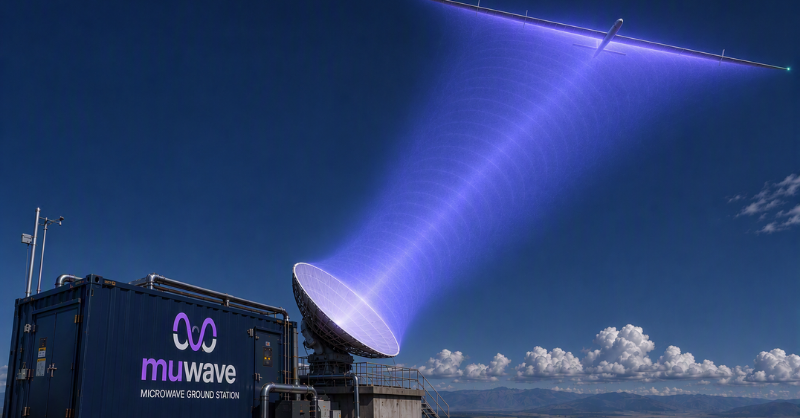
Engineering approaches vary significantly among the teams. For instance, VFP Aerospace plans to use mass-produced six-axis drones costing £50 000 each, while Space Solar is exploring ground-based radio-frequency power beaming to sustain the platforms in the stratosphere.