The iPhone gaming controller market is expanding as Apple shifts its strategy to position the device as a high-end gaming platform. The rise of console-quality titles on iOS, such as Resident Evil, Death Stranding, and Assassin's Creed Mirage, has highlighted the limitations of touch controls, driving demand for physical peripherals.
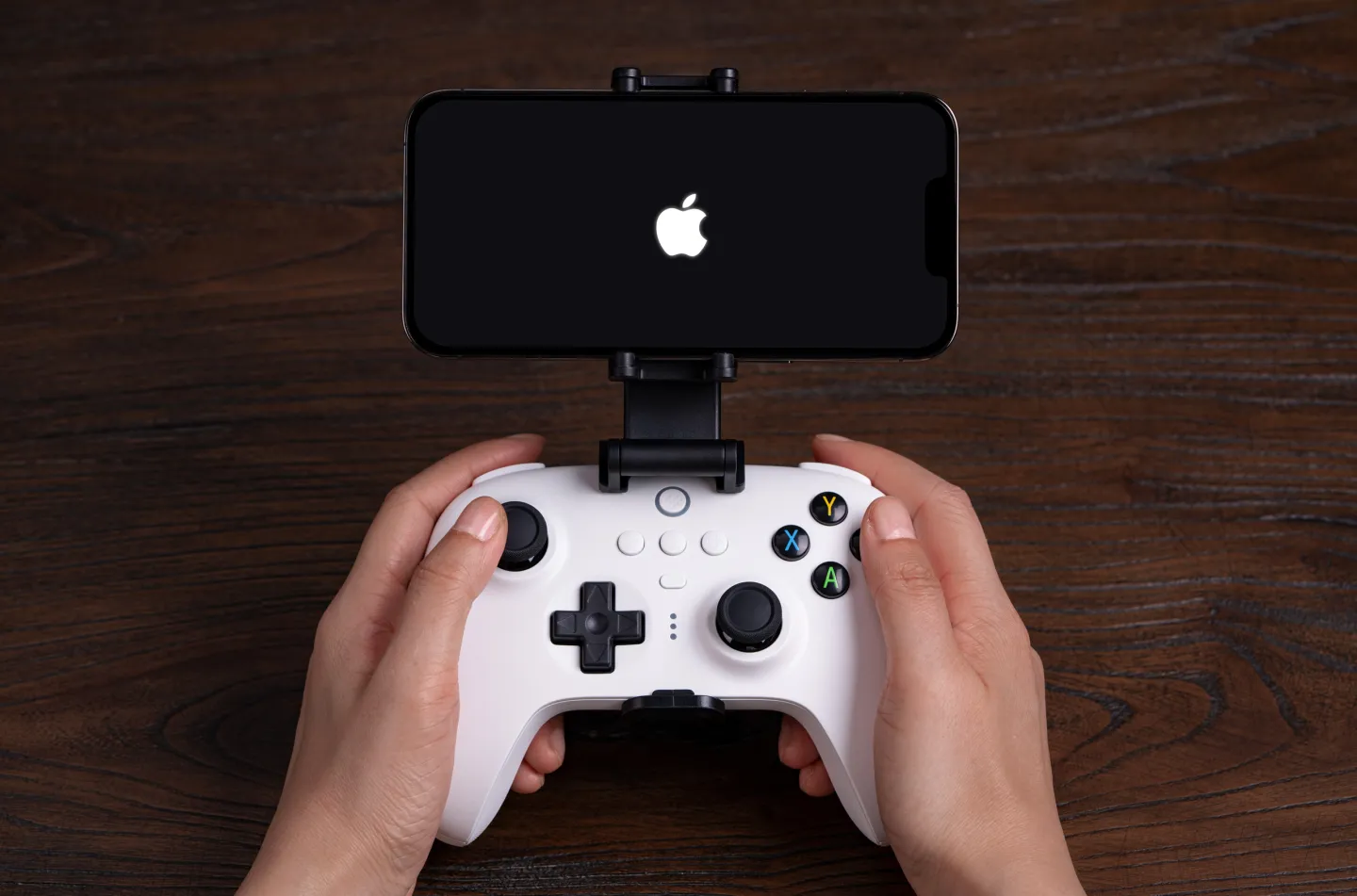
Peripheral manufacturers including Backbone, Razer, GameSir, and Rotor Riot are responding by launching specialized controllers. These devices often feature a clamp-on design that transforms the iPhone into a handheld console, with some models offering deep integration with the iOS ecosystem to enhance user experience.
Apple is actively improving support for third-party controllers and fostering ecosystem synergy between iPhone, iPad, and Mac. This initiative is supported by the growth of cloud gaming services like Xbox Cloud Gaming and GeForce NOW, which allow users to stream demanding titles directly to their mobile devices.
Industry observers note that smartphones are increasingly viewed as competitors to dedicated handheld gaming consoles. By leveraging the existing high-performance hardware and displays of iPhones, manufacturers are marketing controllers as a way to achieve a console-like experience without needing additional dedicated hardware.
Despite this growth, the platform faces ongoing challenges, including a smaller library of high-end games compared to traditional consoles and PCs. Users also remain concerned about storage requirements, battery life, and thermal management when running resource-intensive games on mobile hardware.