Torsten Slok, chief economist at Apollo Global Management, warns that the current AI boom may be unsustainable. He points to a recent slowdown in token spending growth, which became evident by late October 2026, as a key indicator that demand for compute is highly sensitive to price changes.
Data from the S&P 493—the S&P 500 excluding the Magnificent Seven—shows stagnant revenue per worker and flat profit margins despite ongoing AI investments. Many companies now view AI spending as a necessary operational cost rather than a driver of growth, while Ramp data indicates that AI expenditure is increasingly concentrated among a small number of venture-backed firms.
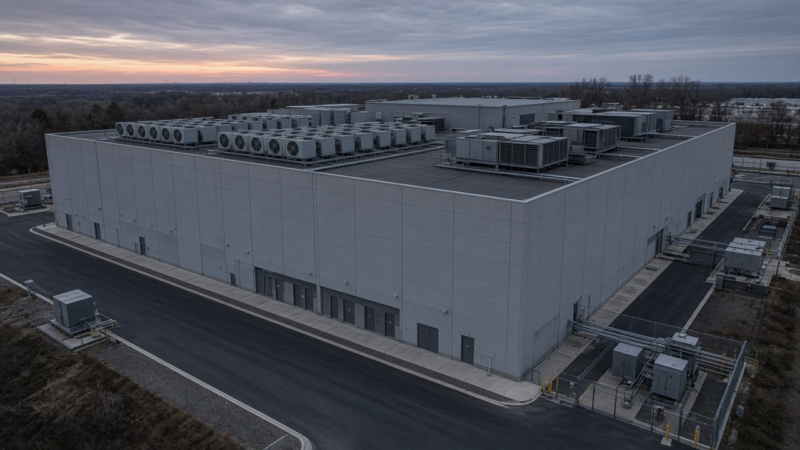
Slok projects that capital expenditures by hyperscalers could reach approximately 3% of US GDP annually between 2027 and 2029. He warns that widening credit spreads on AI-related debt, coupled with inflationary pressures, may lead to delays in critical data center projects and a potential painful repricing of AI valuations.
Investors are advised to monitor several indicators, including the trajectory of token spending, the widening of credit spreads, and potential slippage in data center construction timelines. If productivity metrics in the broader economy do not improve, the market may face a significant correction.