According to the S-1 filing submitted by Anthropic on October 26, the company has integrated computing resources from multiple strategic partners into a unified pool. This infrastructure allows the firm to distribute AI workloads across different hardware platforms using proprietary software.
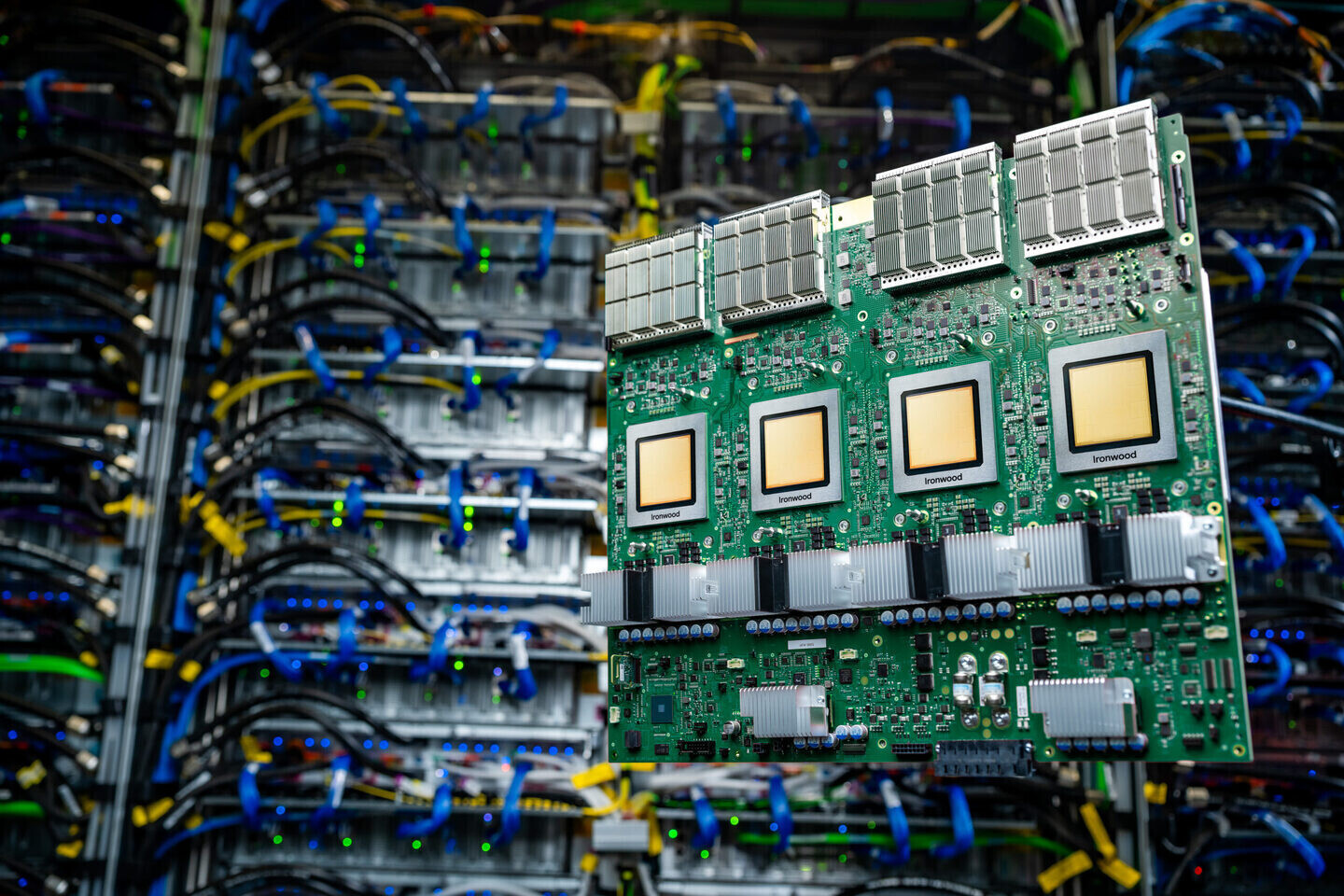
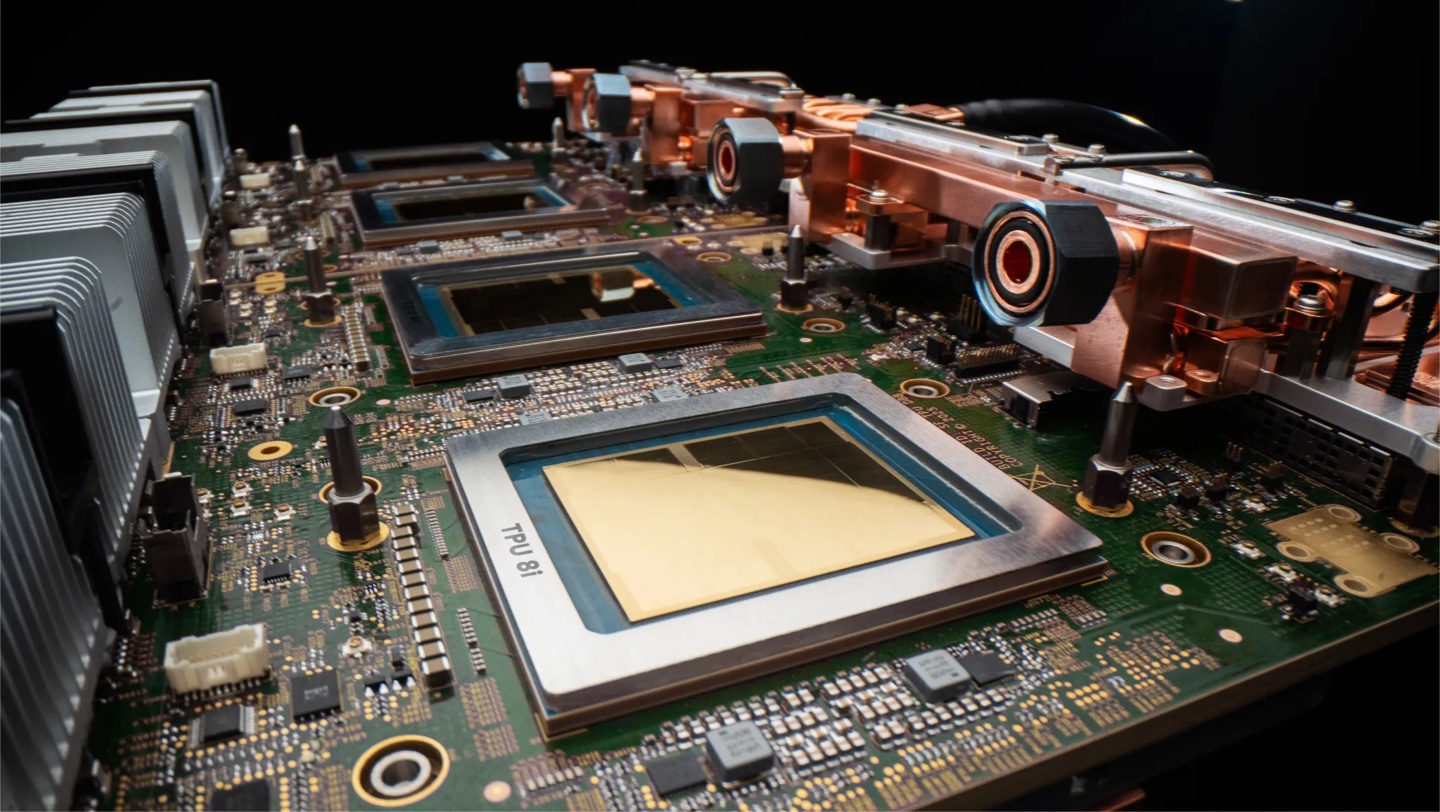
Anthropic currently utilizes four distinct types of chips for its operations: Amazon Trainium, Google TPU, Nvidia GPU, and AMD GPU. The company invested significant time and capital over several years to develop the capability to switch between these diverse computing environments.
Industry analysts suggest that this multi-platform strategy could enhance the bargaining power of large AI companies during price negotiations with hardware suppliers. By reducing reliance on a single vendor, firms may mitigate risks associated with supply chain fluctuations and Nvidia's current market dominance.
However, experts note that this approach has limitations. Migrating complex AI training tasks between different chip architectures remains technically challenging and resource-intensive. Consequently, only the largest AI enterprises possess the capacity to implement such cross-platform scheduling effectively.
Market observers, including analysts from Circular Technology and D.A. Davidson, emphasize that this strategy poses no immediate threat to Nvidia. Nvidia retains significant advantages in performance, network interconnectivity, and software ecosystems that smaller companies cannot easily bypass.