

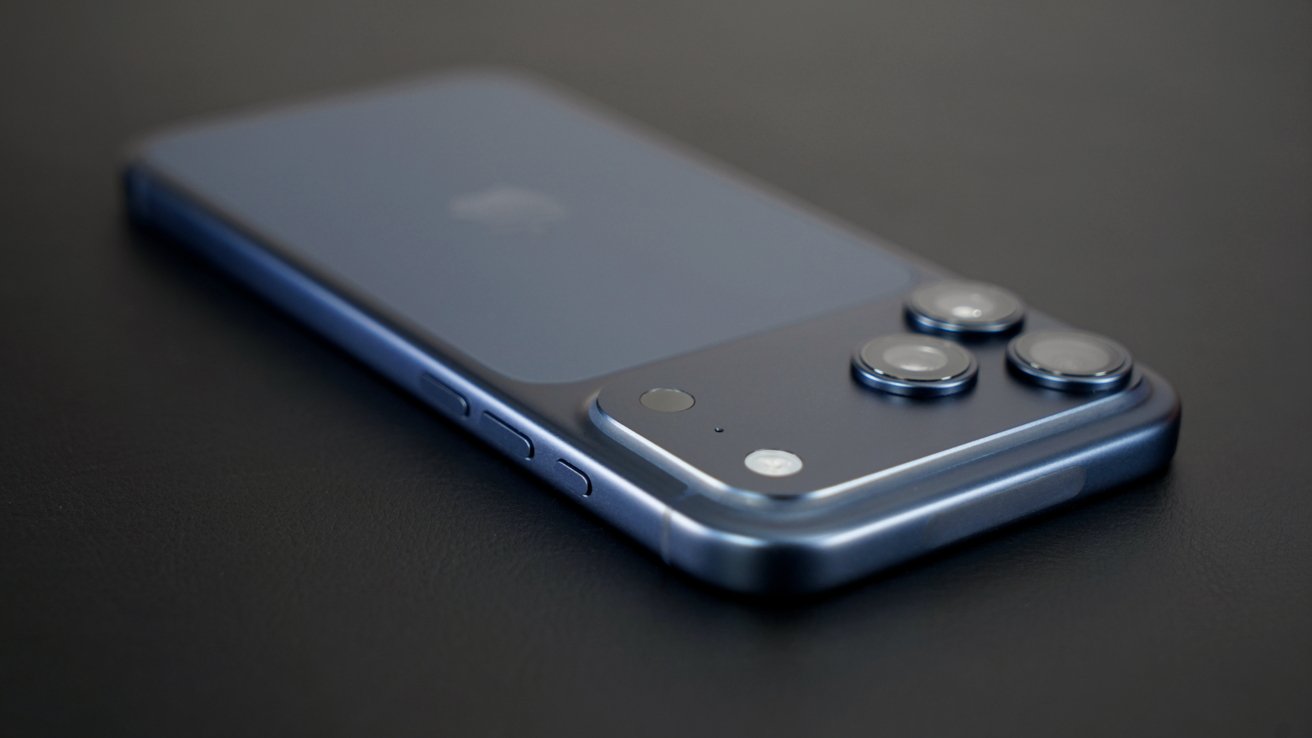
The global memory chip market is experiencing a sustained price increase, primarily driven by the rapid expansion of the artificial intelligence industry. High demand from AI data centers and large language models has led major manufacturers like Samsung, SK Hynix, and Micron to prioritize high-margin AI-related products, limiting supply for consumer electronics.
Apple faces significant cost pressures as the demand for higher memory capacity in iPhones grows alongside the integration of Apple Intelligence features. Analysts suggest that the combination of rising DRAM costs and the need for more memory per device creates a compounding effect on production expenses that may be difficult for the company to absorb.
Market research indicates that the upward trend in DRAM prices is unlikely to ease before 2028. Even with new production lines coming online, AI-driven demand is expected to consume the additional capacity, keeping prices elevated. This environment forces manufacturers to consider passing these costs on to consumers.
The impact extends beyond Apple to the entire smartphone industry, as Android flagship devices also increase memory capacity to support local AI capabilities. Analysts identify memory chips as a critical variable in terminal product costs, signaling a potential shift in the pricing structure of the high-end smartphone market over the next few years.

