

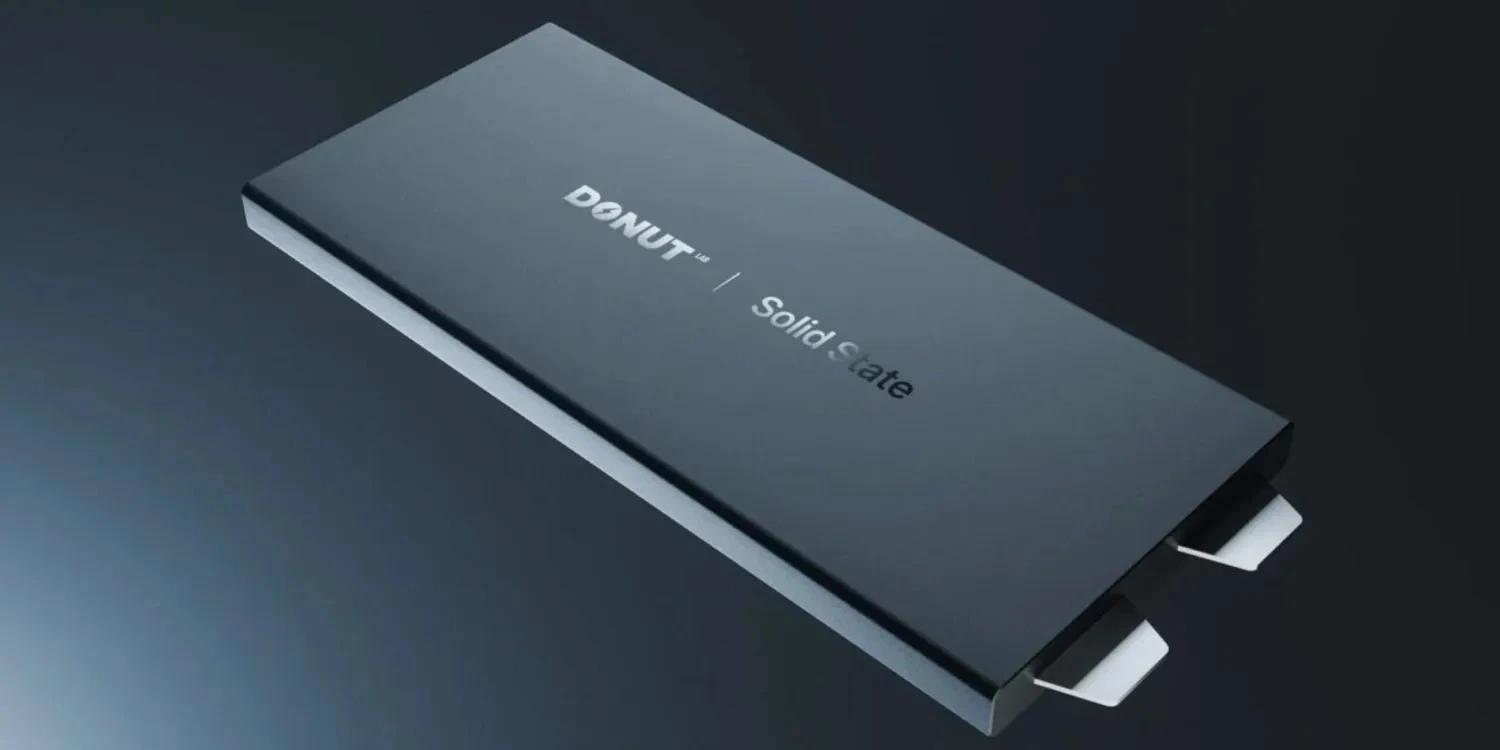
Intertek Labs conducted an analysis of solid-state battery components provided by the Finnish startup Donut Lab. The testing revealed lithium levels of 3.4 ppm and sodium levels of 632 ppm. The company claims these results indicate its technology is distinct from standard lithium-ion or sodium-ion batteries.
The investigation involved two disassembled battery components with a total weight of approximately 0.5 grams. The laboratory utilized the ICP-OES method to examine the positive and negative electrodes along with the current collector. However, the electrolyte was not analyzed, and other elements such as potassium, magnesium, zinc, and aluminum were excluded from the study.
Previous testing by the VTT Technical Research Centre of Finland on the Donut Lab V1.5 battery indicated an energy density of 409.3 Wh/kg within a voltage range of 2.3–4.25 V. Yet, the Intertek report does not confirm that the analyzed parts belong to this specific version. The report underwent three revisions within five days.
Despite the laboratory findings, the chemical composition of the battery remains undisclosed. Furthermore, nine months have passed since the company presented a production vehicle equipped with this battery at CES, but the car has not yet appeared on public roads.



