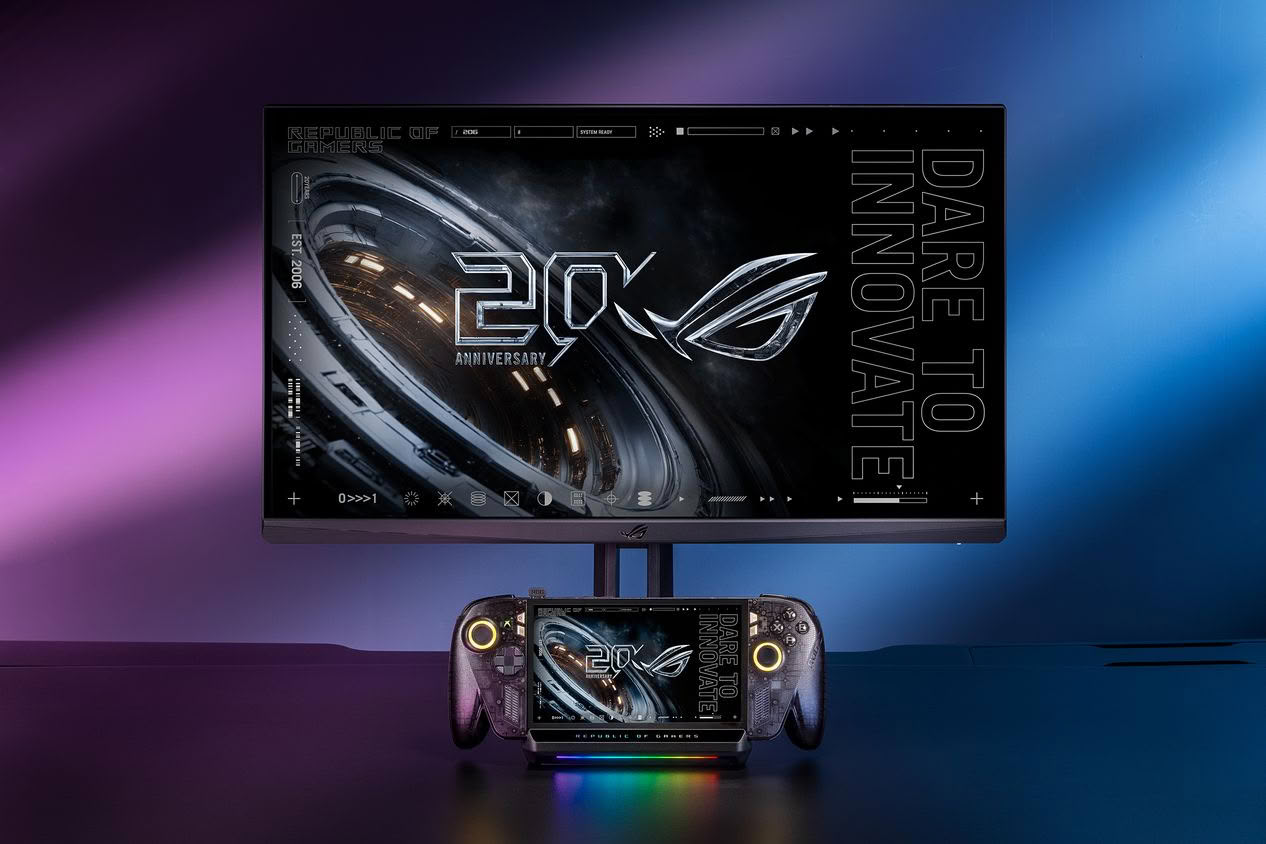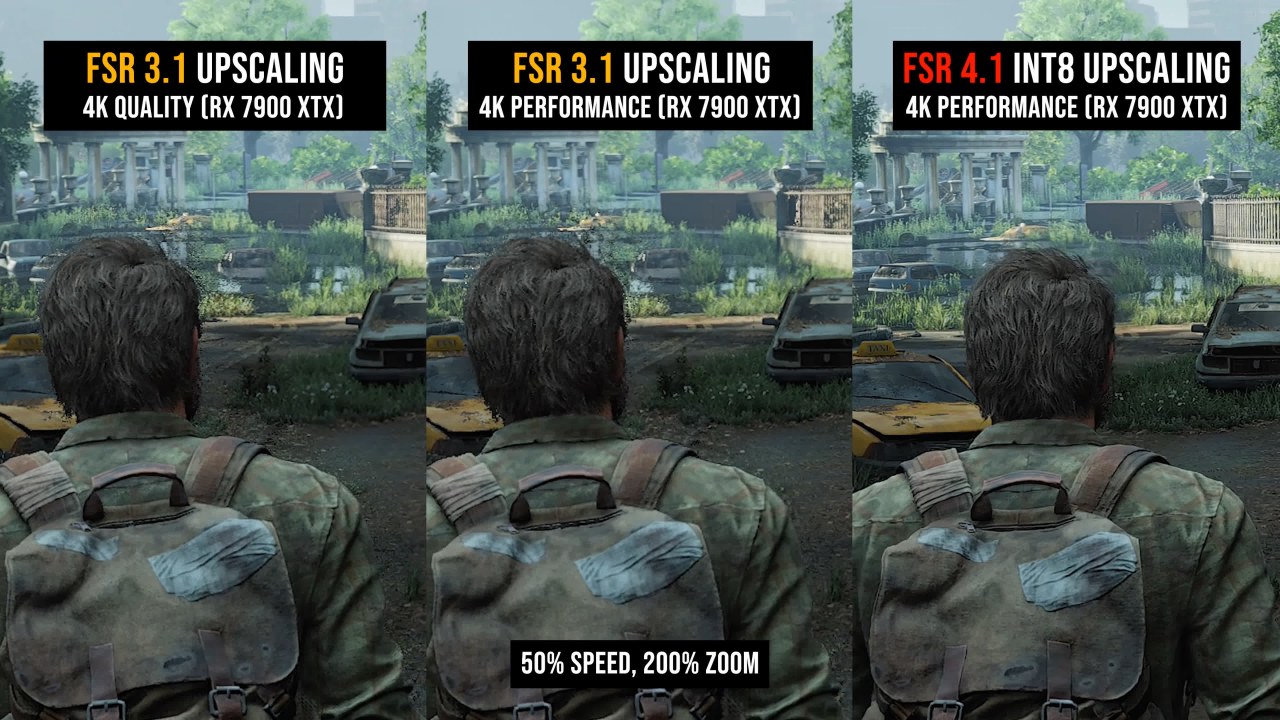
AMD plans to expand its FSR 4 machine learning super-resolution technology to include more APUs, gaming laptops, and handheld gaming PCs by the end of 2026. This initiative aims to bring machine learning-based upscaling, previously reserved for discrete graphics cards, to integrated graphics and low-power devices.
The company is developing optimized FSR 4 models specifically for integrated graphics to operate within the power constraints of handheld devices, typically ranging from 15W to 30W. This technology is expected to support products like the Ryzen AI Max series, helping to improve frame rates and visual quality on devices lacking discrete GPUs.
AMD intends to launch a new generation of APUs supporting FSR 4 in 2026. While rumors suggest upcoming Ryzen Z3 and Z3 Extreme chips might feature a hybrid graphics architecture, these specifications remain unconfirmed. Additionally, the company is rebranding its technology suite, with FSR 4 now increasingly referred to as FSR Upscaling.
Compatibility remains a key factor, as current RDNA 2-based devices like the original Steam Deck may not receive support until 2027. AMD’s roadmap indicates that RDNA 3 and newer architectures will be prioritized for FSR 4 integration, marking a shift toward making machine learning capabilities a standard feature across the company's hardware ecosystem.