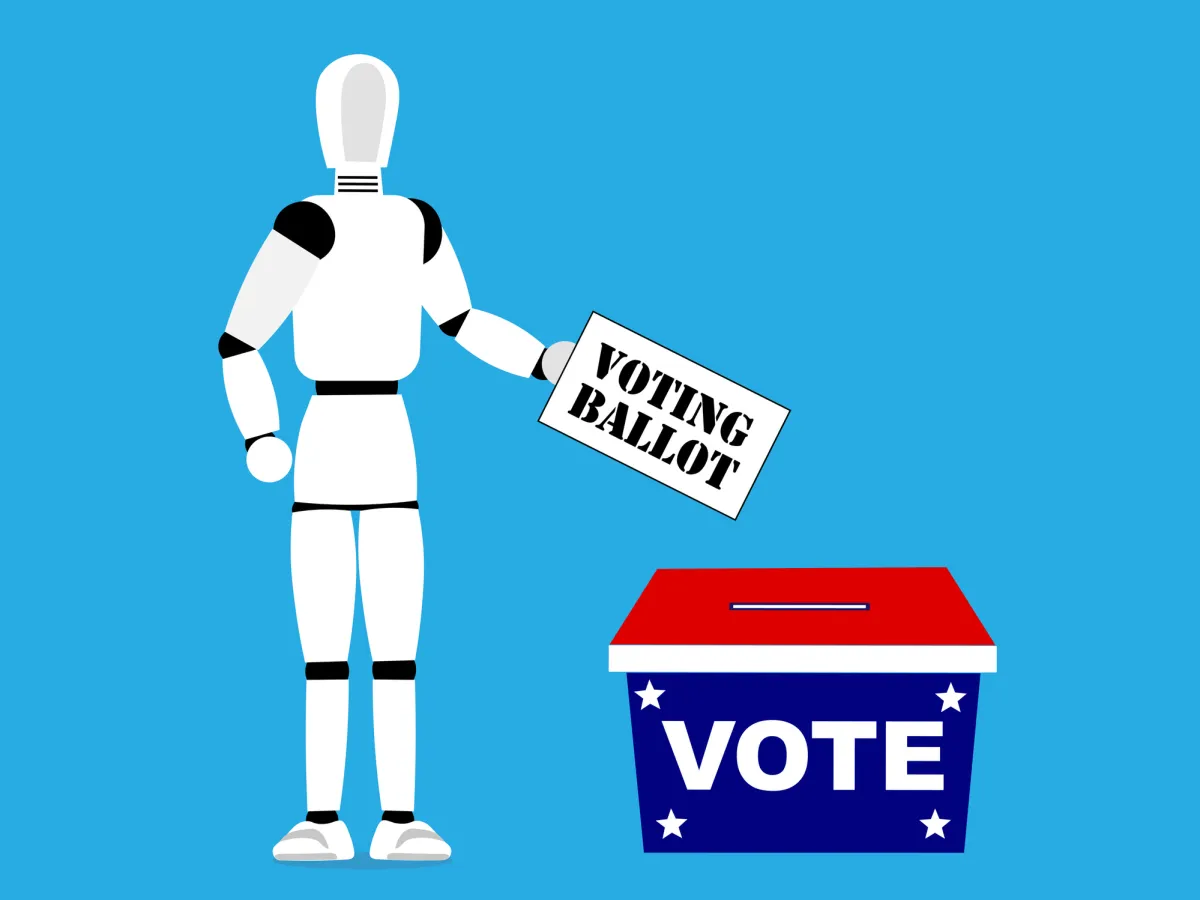
A study by Convovo, led by Cornell professor Tapan Parikh, analyzed political biases in AI models using their developer APIs. Researchers prompted GPT-6.1 and Grok 4.7 to recommend candidates in nearly 500 midterm election races. The models agreed on their choices in less than 10% of cases.
Grok 4.7 recommended Republican candidates in 92% of its responses, while GPT-6.1 favored Democrats in 97%. The study found that Grok frequently cited conservative sources like Turning Point Action and X, whereas GPT relied on outlets such as the Associated Press, Axios, and Reddit.
The research suggests that for GPT, political leanings appear embedded in its model weights, as the bias persisted even when internet search was disabled. Conversely, Grok’s Republican preference largely disappeared without search, indicating its results are heavily influenced by search patterns and external sources.
OpenAI stated that its consumer-facing ChatGPT is designed to be objective and refuses to provide candidate recommendations. The company noted that the study tested a developer API with explicit prompts, which does not reflect the standard user experience where the chatbot declines to pick a side.