

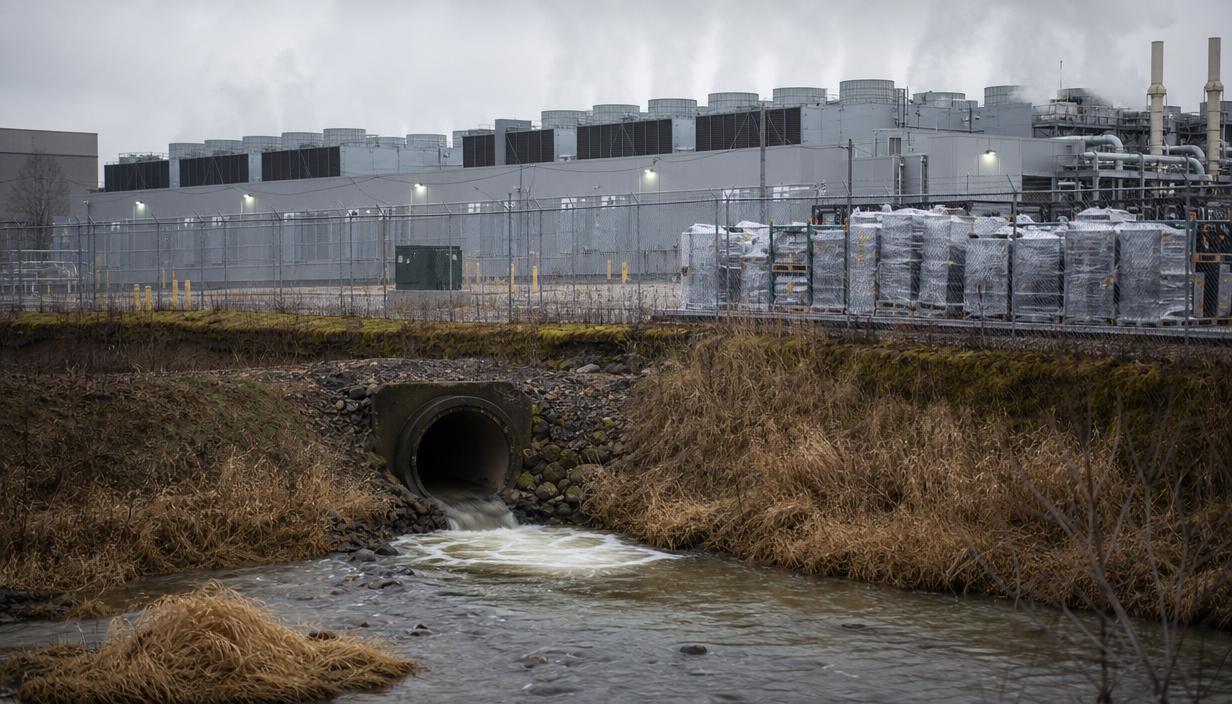
The rapid expansion of AI data centers has triggered a significant increase in the production of per- and polyfluoroalkyl substances, commonly known as PFAS. According to The Guardian, nearly all of the world's 10 largest manufacturers of these chemicals are planning to boost production quotas to meet the growing demand from data center operators.
PFAS are utilized across various critical infrastructure components, including cooling systems, AI chips, printed circuit boards, fire suppression systems, and cable insulation. The rapid degradation of hardware in continuously operating facilities leads to massive amounts of electronic waste, which eventually releases these persistent chemicals into the environment and food chains.
Anne-Sophie Bechkar, executive director of the Swedish chemical watchdog ChemSec, warned that without immediate government intervention and strict regulatory requirements to phase out PFAS, the industry faces a surge in environmental contamination. Experts emphasize that the impact of these facilities extends far beyond local boundaries.
The environmental footprint of the AI boom also includes incidents of direct pollution. A recent report from Gothamist revealed that a data center operated by Equinix in Secaucus, New Jersey, leaked nearly 19 000 liters of diesel fuel into a tributary of the Meadowlands River, highlighting the broader risks associated with current infrastructure management.


