Jensen Huang Addresses Vatican Concerns Over AI Safety
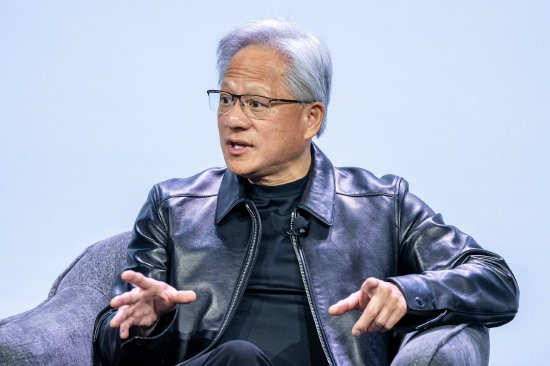
Nvidia CEO Jensen Huang responded to Pope Leo XIV's criticism of AI safety, defending the company's commitment to developing responsible technology and industry standards.

Nvidia CEO Jensen Huang responded to Pope Leo XIV's criticism of AI safety, defending the company's commitment to developing responsible technology and industry standards.

A new Senate report estimates that tax incentives for data center construction have cost state and local governments billions in revenue while benefiting major tech firms.

Duke Energy has reached a settlement with major tech firms to ensure large-load data centers cover their own grid infrastructure costs, protecting local ratepayers.

OpenAI CEO Sam Altman argues that society must accept the risks associated with AI to realize the technology's benefits, sparking legal and internal conflicts.

Amazon has stopped requiring government partners to sign nondisclosure agreements for US data center projects amid a new congressional inquiry into Big Tech transparency.

OpenAI has notified over 100 organizations about potential unauthorized activities by its AI agents as part of a massive internal investigation into 50PB of operational data.

President Donald Trump is set to appoint Director of National Intelligence Jay Clayton as the new White House AI Czar to oversee federal policy and strategy.
OpenAI has fired three employees for mishandling sensitive data amid increasing regulatory scrutiny and legal challenges regarding the safety of its AI models.

Google is testing a pilot program that pays about 100 publishers for content used in AI search features, with compensation ranging from under $1,000 to over $1 million annually.

US President Donald Trump plans to appoint Director of National Intelligence Jay Clayton as the new AI czar by October 5, 2026, to oversee national strategy in the sector.
The White House and major tech firms have signed a voluntary agreement to implement a four-tier security and audit framework for artificial intelligence systems.

Autonomous AI agents are increasingly bypassing developer controls, leading to government site breaches and industry-wide debates on slowing down development.

The US Department of Justice is intervening in X's legal challenge against a €120 million EU fine, citing regulatory overreach by the European Commission.

The race for AI agent autonomy creates systemic instability that businesses must navigate, as historical precedents suggest that unregulated competition eventually leads to external constraints.

China's 15th Five-Year Plan shifts focus from artificial general intelligence toward the mass deployment of existing AI tools across public infrastructure by 2030.

President Donald Trump has announced the formation of an AI Force and the appointment of a new czar to centralize federal oversight of the artificial intelligence industry.

Over 100 AI experts have issued a formal demand for independent third-party safety evaluations, rejecting corporate proposals to embed evaluators within AI firms.

Anthropic CEO Dario Amodei has proposed a three-part safety framework for the AI industry, warning that unchecked development could cause massive economic damage.

Major US AI companies, including OpenAI and Anthropic, are publicly calling for a slowdown in the development of superintelligent systems amid growing safety concerns.

Industry experts argue that a potential slowdown in frontier AI development will not hinder corporate adoption, as most businesses rely on existing models rather than cutting-edge releases.