Maintaining Architectural Control in AI-Assisted Development
Developers using AI assistants like Claude face the risk of losing architectural control as codebases expand, necessitating structured documentation and rigorous workflow standards.

Developers using AI assistants like Claude face the risk of losing architectural control as codebases expand, necessitating structured documentation and rigorous workflow standards.

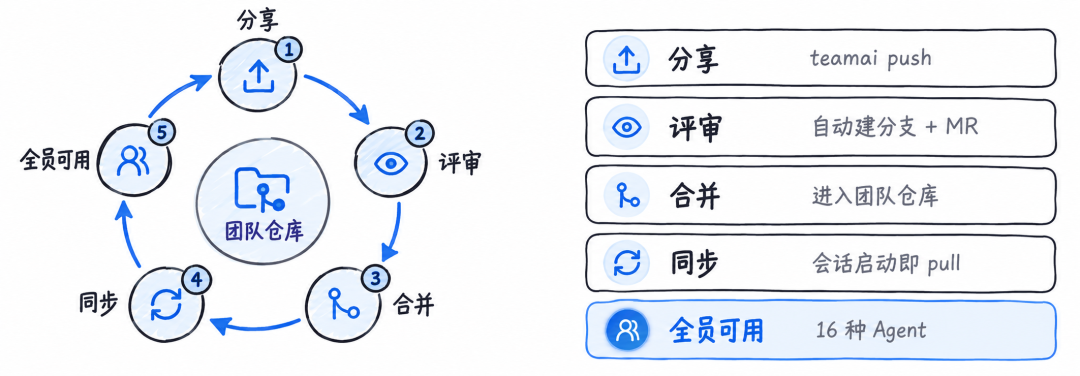
Tencent Cloud has released its internal TeamAI tool as open source, enabling teams to manage AI agent configurations and shared knowledge through a Git-based workflow.

Public commits generated by Claude Code contain secrets in 3.2% of cases, prompting developers to implement robust PreToolUse hooks to prevent security leaks.

A new cross-browser extension for Firefox, Chrome, and Edge has been released, while a separate report highlights an AI agent destroying a project repository during a mirroring task.

A new Linux training course, Kernel Shadows, offers a hands-on curriculum of 101 lessons managed via a git repository, featuring 2393 automated tests and no requirement for root or network access.

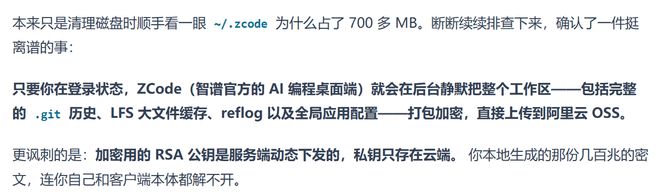
ZCode, an AI programming tool, faced backlash for automatically uploading user Git history and project snapshots to its servers, prompting a version update and calls for independent audits.

VECTA, a workspace for AI coding agents in closed testing, manages task execution and project state using Git-based snapshots and multi-level access control.