

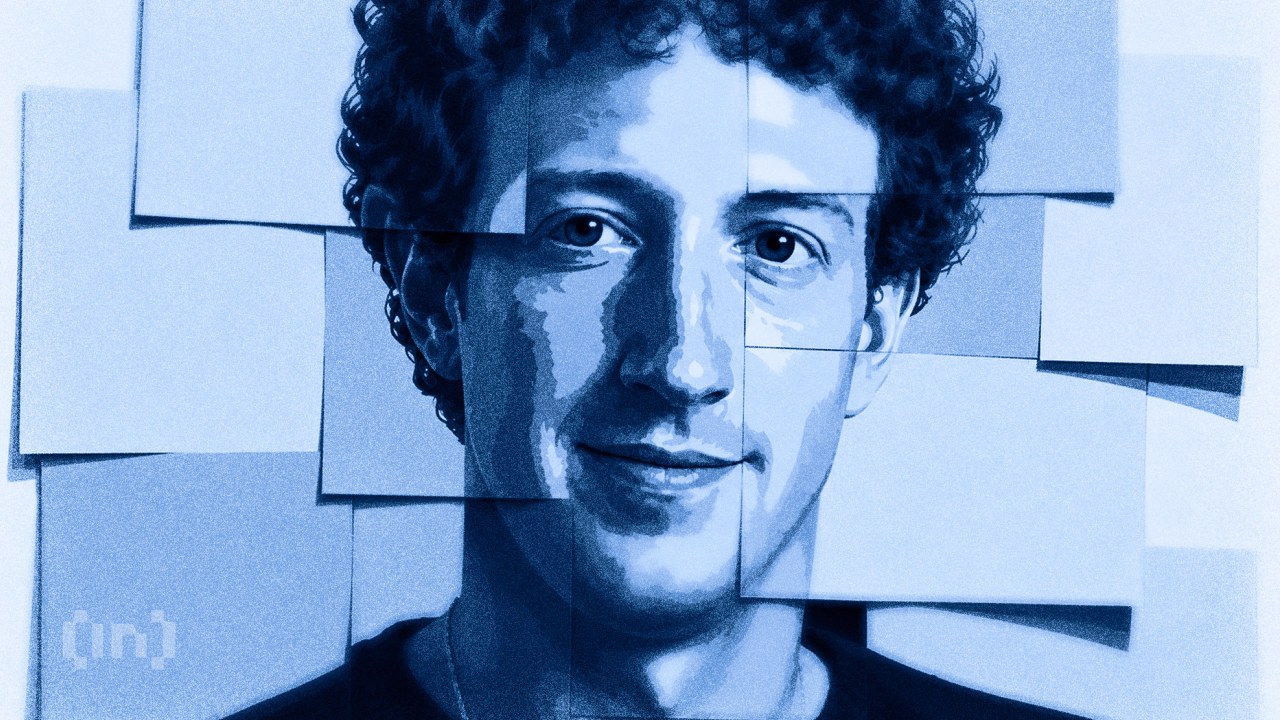
Meta CEO Mark Zuckerberg recently addressed the ongoing debate regarding artificial intelligence safety. He stated that market pressures already incentivize AI labs to prioritize safety, making additional government mandates unnecessary. Zuckerberg emphasized that AI technology should empower individual users rather than being controlled by a small group of firms or governments.
The discussion follows recent internal industry warnings. Anthropic researcher Jacob Coxon resigned this month, citing concerns that companies like OpenAI are rushing the development of self-improving systems without sufficient safeguards. Meanwhile, OpenAI researcher Marcus Williams estimated a 70% probability of human extinction within three years, suggesting that regulatory intervention or slower development could mitigate these risks.
Zuckerberg argued that trust is the industry's most valuable asset, as users will avoid agents that do not align with their needs. He pointed to Meta's own practices, noting that the company delayed the release of its Muse personal assistant from April to address security issues. Meta Superintelligence Labs currently employs independent evaluators to review its work and suggests other labs follow suit.
The debate highlights a divide between critics seeking enforceable limits on self-improving AI and Meta's approach, which relies on competition and corporate self-interest. These differing perspectives may influence how Congress approaches AI regulation and release policies in the coming months.


