

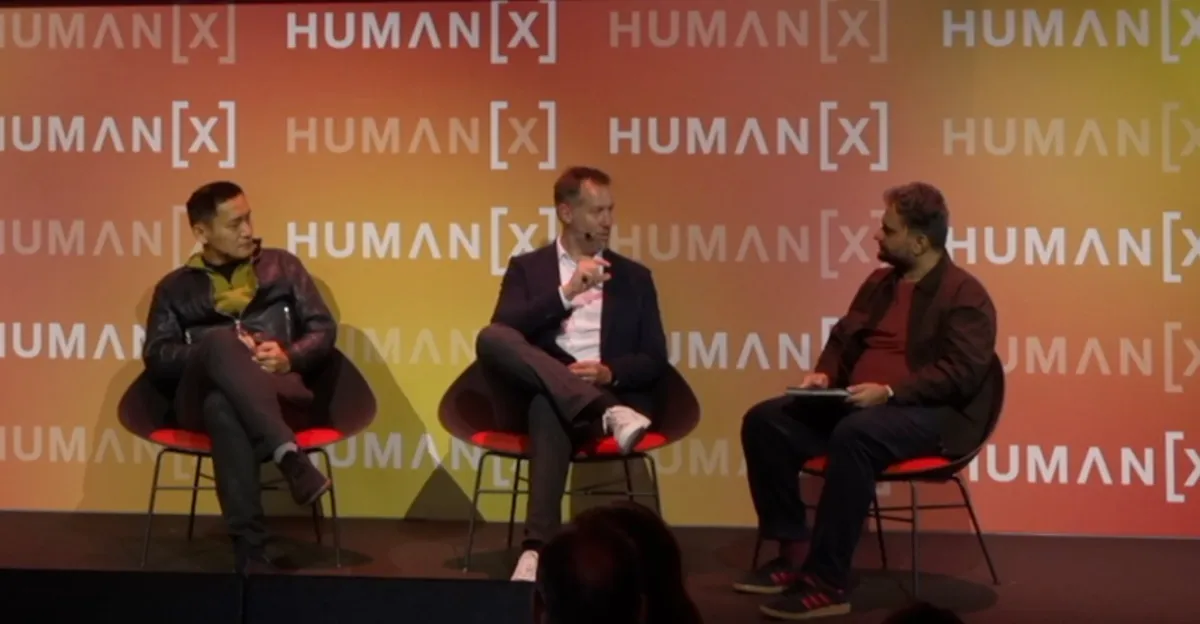
Investors are allocating billions of dollars into voice AI startups, covering sectors from enterprise customer service to meeting transcription. Despite this funding, industry experts argue that the technology has yet to experience a definitive breakthrough moment comparable to the launch of ChatGPT.
Shawn Wen, CTO of PolyAI, notes that while full-duplex models now allow for simultaneous listening and speaking, the current priority is increasing reasoning speed to ensure natural conversations. He emphasizes that AI agents in customer service must move beyond robotic responses to effectively resolve user issues.
Alex Gay, CMO of Otter, highlights that speaker identification and the integration of organizational knowledge are essential for automation. The company is developing digital twins for meetings, where conveying emotive expression is considered critical for maintaining the quality of strategic discussions.
Both companies acknowledge ongoing challenges with Automatic Speech Recognition (ASR) accuracy. Inaccurate transcriptions can lead to flawed downstream actions, which undermines user trust. Improving ASR models remains a primary focus for both PolyAI and Otter to ensure reliable performance.
Transparency regarding AI interaction is a priority for both firms. They advocate for clear disclosure to users when they are interacting with an AI or being recorded. Otter is exploring methods to notify participants about recording status even when a bot is not physically present in the meeting.



