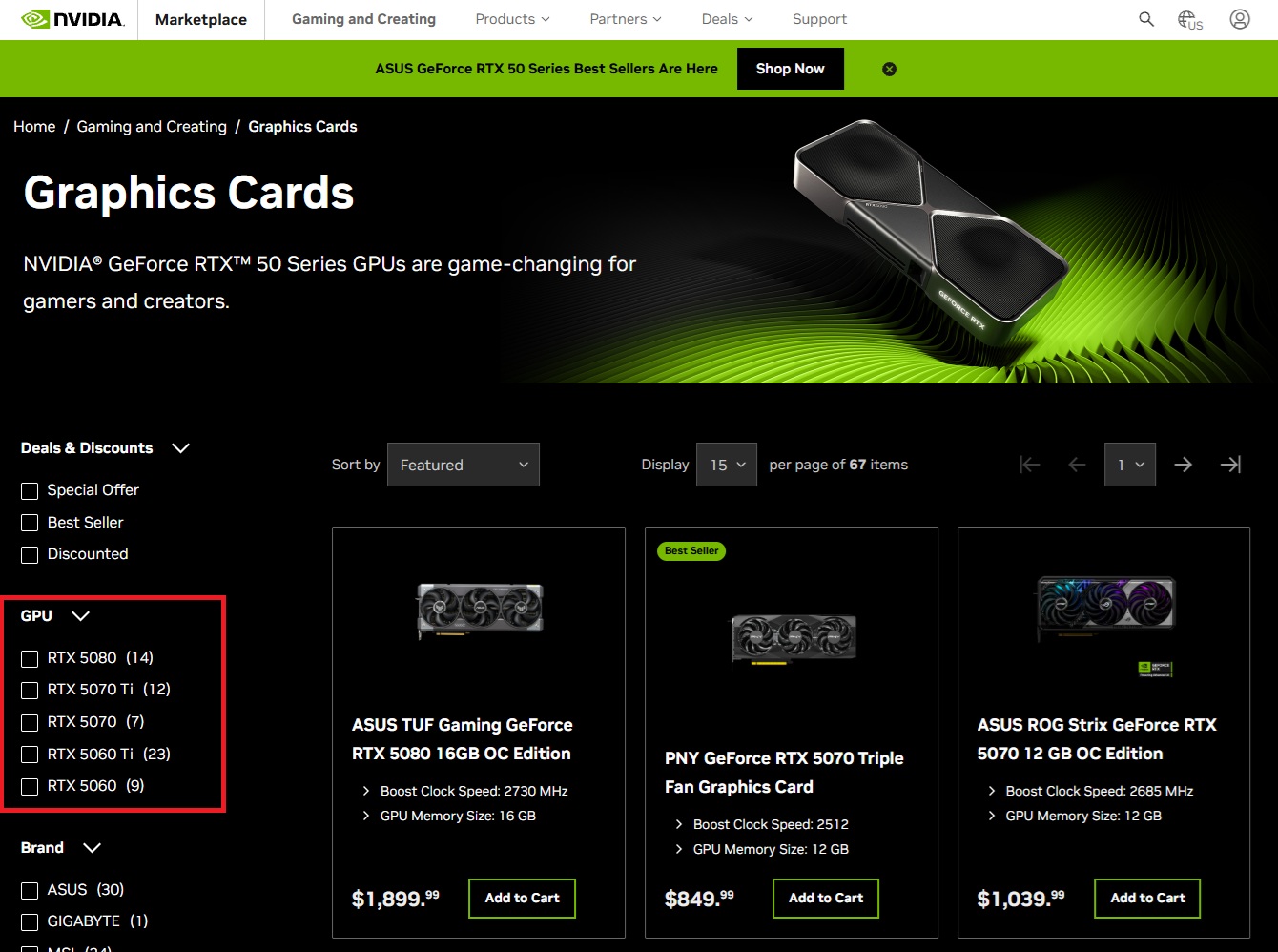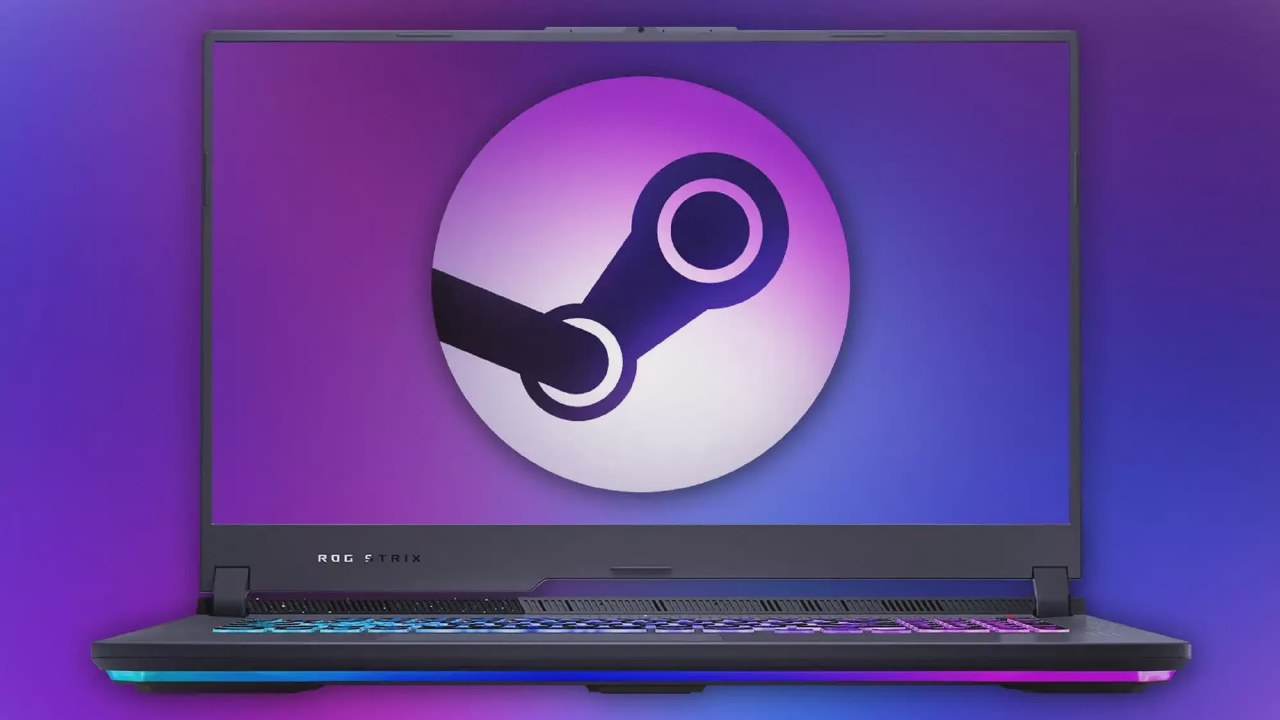
Valve is actively developing NVIDIA GeForce GPU support for SteamOS, with drivers now integrated into the main development branch. While some NVIDIA GPUs can currently initialize and output images, the company notes that achieving full, game-ready compatibility remains a long-term project that could take several years.
The push for NVIDIA support is critical, as approximately 73% of Steam users currently utilize NVIDIA hardware. Valve aims to expand SteamOS beyond the Steam Deck to a broader range of third-party handhelds and traditional gaming PCs, positioning the platform as a viable alternative to Windows.
Performance remains the primary hurdle, as current NVIDIA GPU performance under SteamOS lags behind established Linux drivers. Valve is working to bridge this gap, though it notes that the complexity of the graphics stack, kernel, and display server integration requires significant ongoing engineering efforts.
Beyond GPU support, Valve is exploring Arm platform expansion, starting with the Steam Frame VR headset powered by Qualcomm Snapdragon chips. The company is utilizing the FEX compatibility layer to run x86 software on Arm, mirroring the strategy used by Proton to run Windows games on the Steam Deck.
The company faces additional challenges, including the lack of support for certain anti-cheat systems, which prevents popular titles like Grand Theft Auto and Call of Duty from running on SteamOS. Valve is simultaneously addressing hardware compatibility and software ecosystem limitations to broaden the platform's reach.