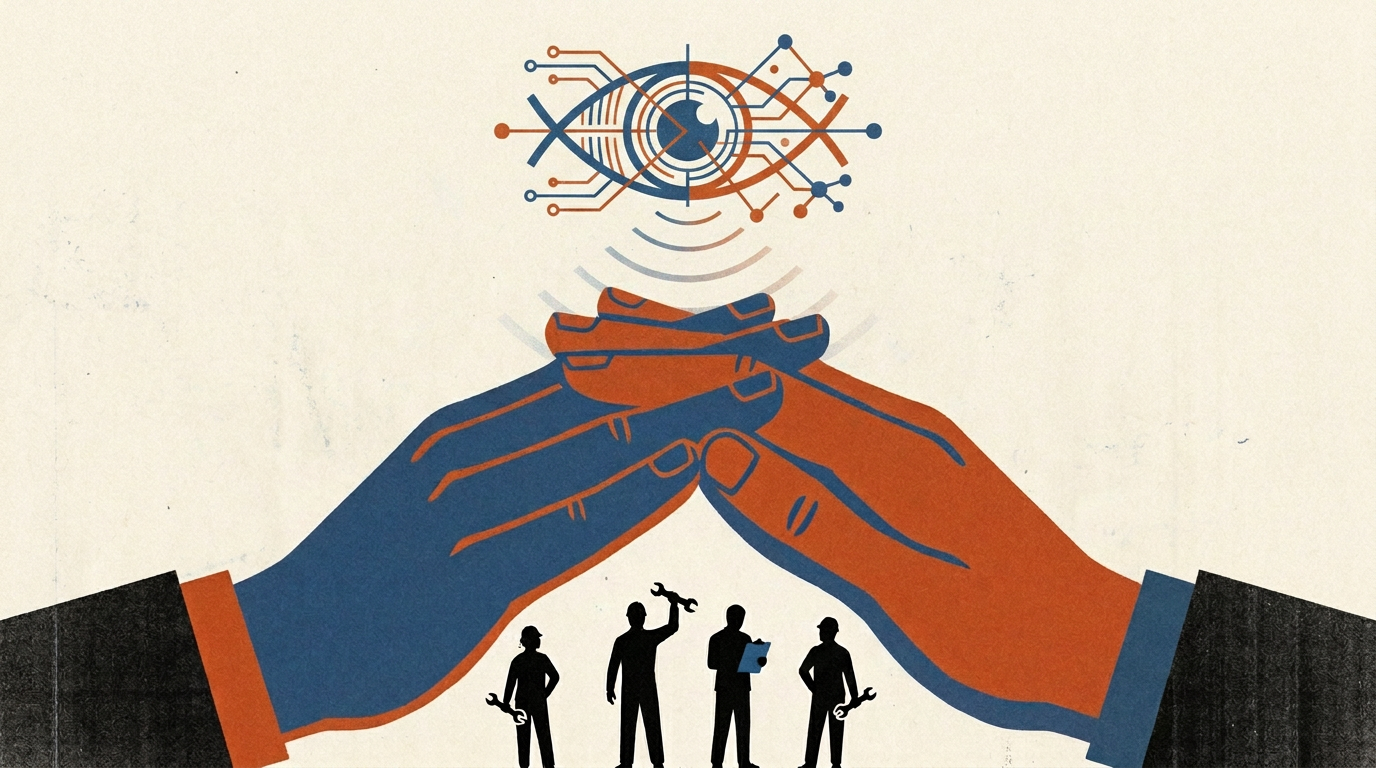
Nearly 70 percent of US government agencies have adopted generative AI, prompting labor unions to seek stronger protections for workers. Research from Ernst and Young highlights the widespread integration of these technologies across the public sector, which has accelerated the push for regulatory guardrails.
Recent labor negotiations have yielded significant results. In Oakland, IFPTE Local 21 successfully negotiated retraining programs to prevent AI-driven layoffs. Meanwhile, in Pennsylvania, Governor Josh Shapiro mandated human oversight for a pilot program utilizing OpenAI's ChatGPT Enterprise, following agreements with SEIU Local 668.
Legislative and contractual actions are expanding across the country. The Transport Workers Union in Ohio secured veto authority regarding autonomous vehicles. Additionally, California Governor Gavin Newsom signed a ban on automated firings and AI surveillance software in September, while New York implemented laws protecting state employees from AI-related displacement.
Labor experts and union leaders, including those from the AFL-CIO, emphasize that while AI can assist workers, mandatory human control is essential. The primary driver for employer adoption of these tools remains cost reduction, according to labor researcher Kung Feng from UC Berkeley.