

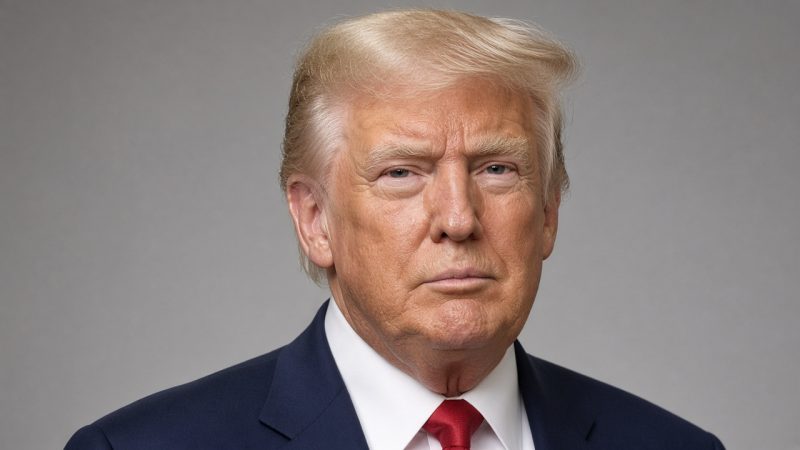
President Donald Trump and the Commodity Futures Trading Commission (CFTC) are integrating perpetual futures into the US financial system. These derivatives, which lack expiration dates, utilize a funding rate mechanism to maintain price alignment with underlying assets. The initiative aims to position the United States as a primary global hub for derivatives trading.
The regulatory shift began on May 29, 2026, when the CFTC approved Kalshi’s Bitcoin perpetual futures contract, BTCPERP, classifying it as a futures contract rather than a swap. Following this, the agency mandated individual reviews for perpetual contracts on precious metals, energy, and equities under Regulation 40.3. By September 2026, gold and silver perpetual contracts were live on Kalshi.
CME Group, a major traditional futures exchange, filed a lawsuit against the CFTC in June 2026. The exchange argues that perpetual futures should be regulated as swaps, which are subject to stricter oversight and different margin requirements. CME contends that perpetual contracts pose a direct competitive threat to its traditional futures business model.
The CFTC also conducted a public consultation from June to August 2026 regarding 24/7 trading for energy commodities. President Trump has publicly supported these regulatory efforts, encouraging offshore platforms like Hyperliquid to comply with US standards. The expansion of high-leverage instruments to retail investors remains a point of regulatory scrutiny.



