

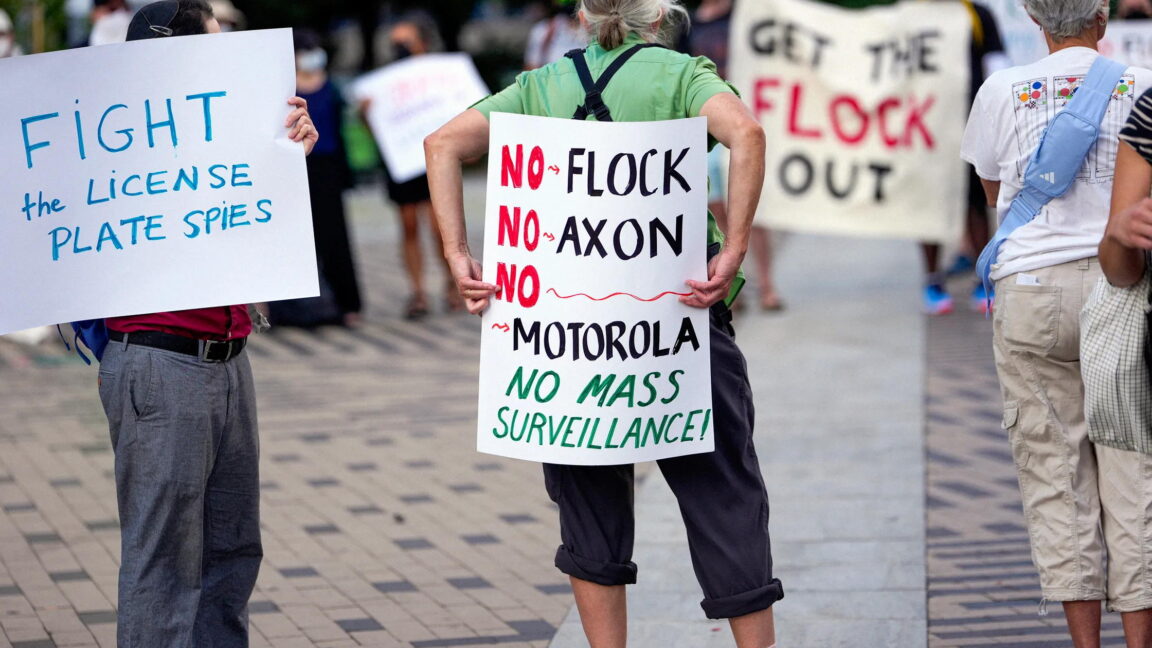
The proposed No FLOCK Act aims to restrict the use of automated license plate readers by state authorities. Under the bill, the US secretary of transportation would withhold 10 percent of annual highway and road funding from states that fail to limit the use of Flock and similar devices to five specific scenarios.
Permitted use cases include toll enforcement, locating stolen vehicles or missing persons, and investigating felony offenses. The legislation explicitly excludes minor drug crimes, traffic studies, and the enforcement of speeding or parking regulations from these authorized activities.
If enacted, the policy would take effect in October 2028, potentially costing non-compliant states tens to hundreds of millions of dollars in federal transportation grants. The bill is sponsored by representatives Raja Krishnamoorthi and Michael Cloud, reflecting bipartisan concern over surveillance oversight.
Despite the proposed restrictions, the bill does not ban the systems entirely or prevent the sharing of tracking data with other agencies, such as immigration authorities. Meanwhile, Flock continues to maintain its lobbying presence in Washington, DC, having recently engaged a fifth firm to represent its interests.
The debate over surveillance technology has gained political traction ahead of the upcoming midterm elections. While some lawmakers cite reports of police abuse, including instances of officers using footage for personal stalking, President Donald Trump has expressed support for the technology, noting its utility for law enforcement.


