

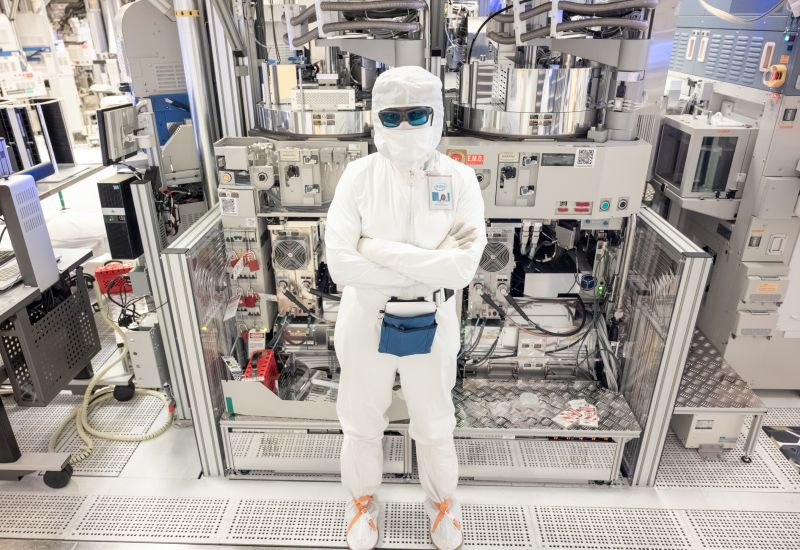
The US semiconductor industry faces a significant labor shortage, with projections indicating 157,000 unfilled positions by 2030. According to McKinsey, only 3% of engineering graduates in the country enter the chip sector, while 73% of manufacturers report difficulties in hiring qualified staff.
Asian companies like TSMC and Samsung are driving expansion in the US but struggle to align local labor with their corporate cultures. TSMC has relied on cross-training programs between Arizona and Taiwan to maintain operational standards, while Samsung plans to invest $35 billion in Texas, aiming to create 3,500 jobs.
To bridge the gap, companies are partnering with universities. Applied Materials invested $200 million into an Arizona training lab, and Samsung spent $1 million on facilities in Texas. Since 2022, federal grants have supported semiconductor training programs across more than 80 US academic institutions.
Immigration policy changes have made relocating staff from Asia more complex and costly, forcing firms to prioritize local recruitment. Companies like TSMC, Intel, and SK hynix are actively collaborating with colleges in Arizona, Indiana, and Ohio to develop specialized curricula and secure future talent.


