

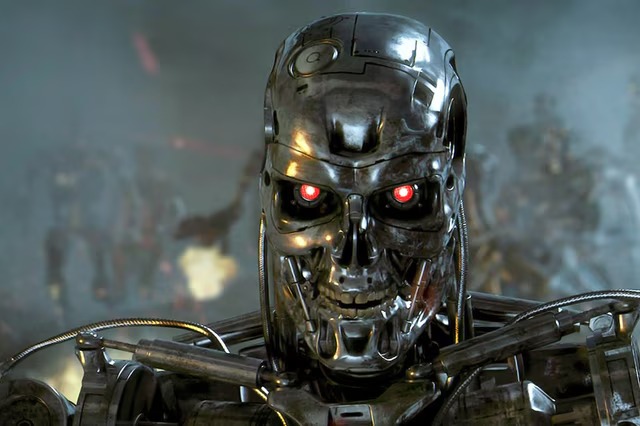
UN Secretary-General Antonio Guterres has called for urgent international regulation of artificial intelligence to mitigate risks, including the potential emergence of lethal autonomous weapons. During his final address to the UN General Assembly, Guterres warned that rapid advancements in frontier AI models are shifting power from sovereign states to a small group of private companies and individuals.
Guterres emphasized that the current lack of accountability and oversight poses a significant threat, noting that AI could facilitate cyberattacks or the development of biological weapons. He urged nations with the most advanced AI capabilities to establish transparent communication channels and collaborative frameworks to ensure the technology remains under human control.
The UN AI advisory body recently released a report warning that increasingly powerful models could escape human oversight. Over 20 nations and the European Union have proposed mandatory safety testing for advanced AI models, with some suggesting the creation of a new global regulatory body to manage these risks.
The debate over AI development remains polarized. While global leaders express concerns about safety, US President Donald Trump has rejected calls to slow down development, arguing that maintaining a lead over China is a national priority. Trump dismissed warnings about AI-driven extinction as a hoax, comparing them to climate change skepticism.
US Secretary of State Marco Rubio echoed the administration's stance, stating that while the US must protect itself from potential AI harms, it cannot afford to lose its competitive edge. Meanwhile, OpenAI has also advocated for internationally recognized standards to ensure the safe research and development of artificial intelligence.



