

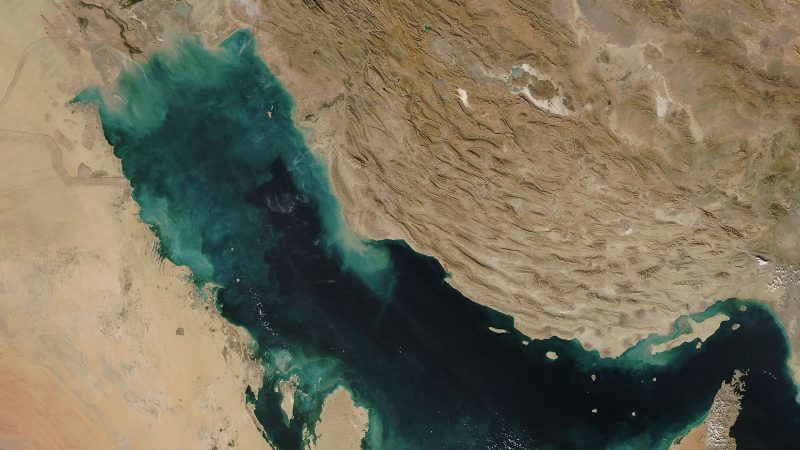
The United States has proposed a $5 billion fund to support Gulf nations in restoring energy infrastructure damaged during the conflict with Iran. The initiative aims to decrease the dependence of countries like Saudi Arabia, the UAE, and Qatar on the Strait of Hormuz, which remains a key but unstable shipping route.
This strategy marks a transition from immediate repairs to a long-term plan for diversifying and securing energy export routes. By strengthening regional energy infrastructure, the U.S. intends to mitigate the impact of transit restrictions and fees imposed by Iran in the vital waterway.
The proposal has impacted prediction markets, where participants now anticipate a lower probability of the U.S. imposing its own transit fees in the Strait of Hormuz by the end of 2026. Investors view the fund as a signal of American commitment to regional stability rather than further escalation.
Market observers are now monitoring potential policy statements from President Donald Trump and Secretary of State Marco Rubio. Future developments regarding the Hormuz toll policy and any shifts in Iran's stance on transit fees will remain critical factors for regional stability and market sentiment.



