

The semiconductor industry in the United States faces a projected shortage of up to 157 000 workers by 2030. According to a McKinsey report, only 3% of engineering graduates in the country enter the chipmaking sector, while 73% of companies report difficulties in filling technical roles.
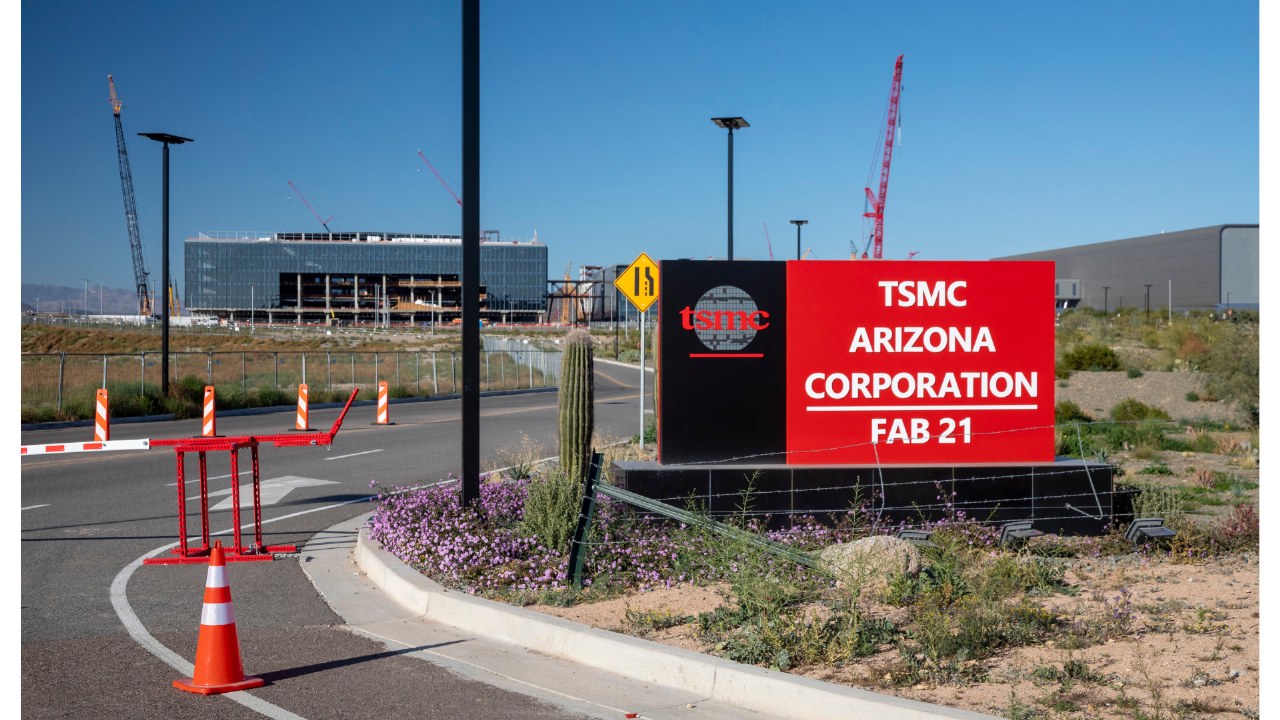
Major manufacturers are expanding their U.S. presence. TSMC began construction in Arizona in 2021 and plans to invest $100 billion by July 2026 for four 2nm fabs. Intel is developing its Ohio One plant, with production expected between 2030 and 2031. Samsung has initiated risk production at its Texas facility, aiming for 50 000 wafer starts per month and 3 500 new jobs.
Micron is constructing a facility in Idaho set for 2027 and has begun work on a $100 billion megafab in New York, alongside a $10 billion commitment to R&D labs. Meanwhile, SK hynix is building an HBM plant in Indiana. Universities like Purdue and Arizona State are launching specialized degree programs to address the labor gap.
Compensation in the U.S. chip sector ranges from $127 000 to $187 000 for standard roles, with senior staff earning $238 000 or more. Experts suggest these figures may need to increase to compete with international bonus structures offered by companies like Samsung and SK hynix in South Korea.


