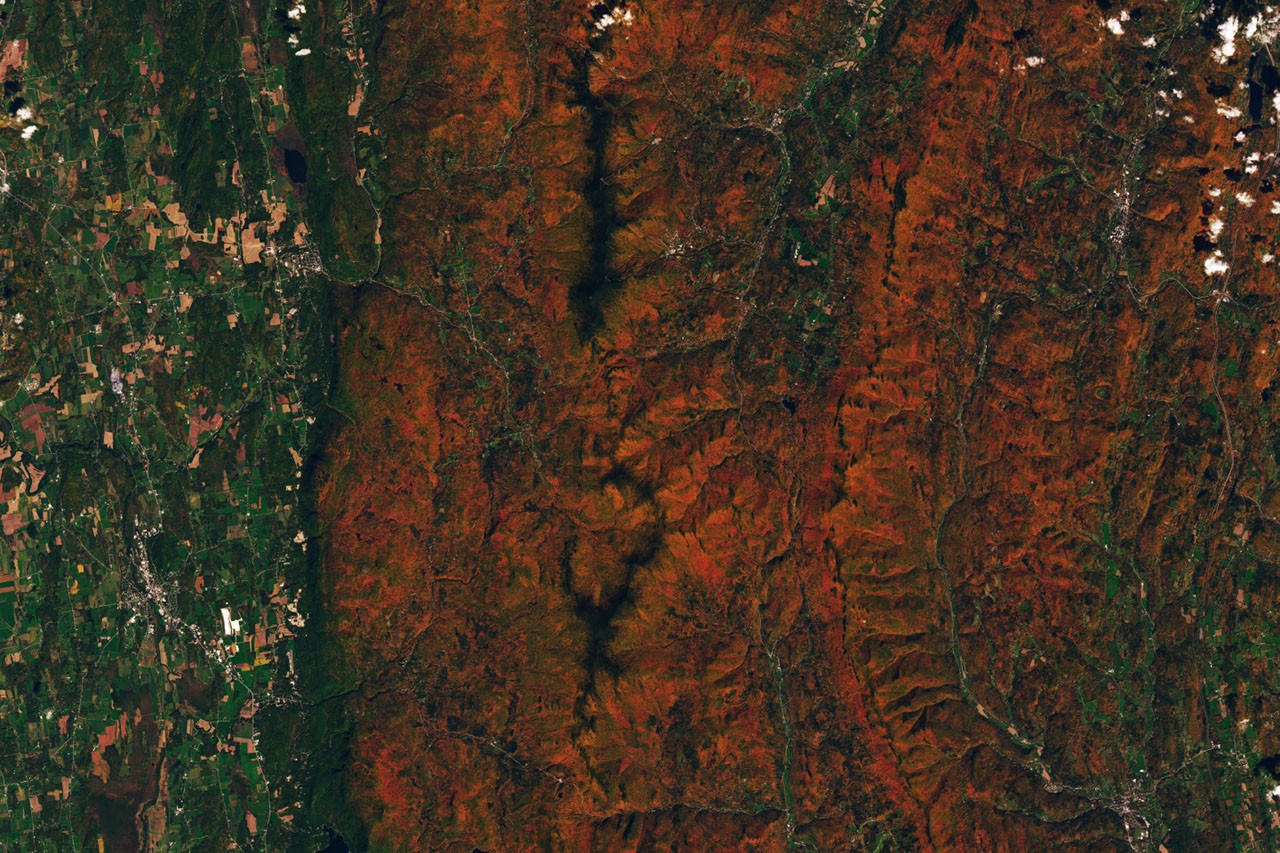
NASA is utilizing the PACE satellite to monitor seasonal changes in global vegetation. The onboard Ocean Color Instrument (OCI) observes the planet daily across 286 spectral bands, allowing scientists to track pigments such as anthocyanins, carotenoids, and chlorophyll.
Data collected between September 29 and October 11, 2026, mapped the progression of foliage color shifts from high latitudes toward the equator. The satellite provides global time-series data, enabling researchers to determine peak color changes in various regions.
The PACE mission team is currently collaborating with the GLOBE program to ground-truth satellite observations. Scientists are requesting public photo submissions to better understand how drought, insect damage, and environmental stress influence vegetation pigment levels.
Researchers aim to use these findings to study the global carbon cycle, wildfire risks, and early warning signs for plant diseases. Unlike previous localized sensors, PACE is the first satellite capable of measuring these three key pigments across the entire planet daily.