

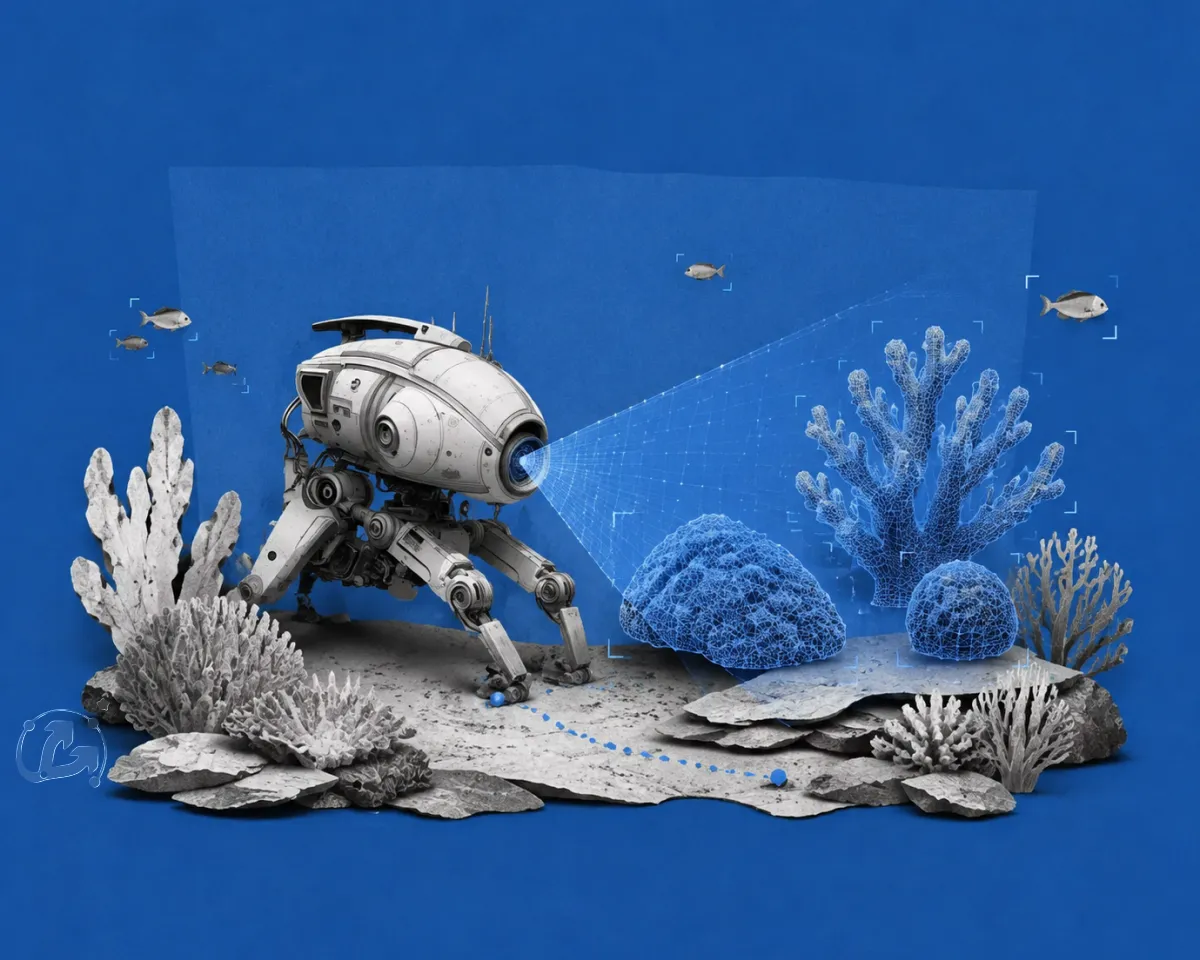
Spatial intelligence models, or world models, reconstruct 3D environments from images by maintaining spatial consistency. Unlike language models that predict the next token in a sequence, these systems map visual data to specific coordinates and camera angles. This allows them to simulate physics and geometry, which is essential for robotics and autonomous driving.
World Labs, founded by Fei-Fei Li, released its Marble tool in November 2025 and the Atlas model in September 2026. The company raised $1 billion in February 2026 from investors including Nvidia, AMD, and Autodesk. In July 2026, World Labs acquired SceniX to enhance its simulation capabilities for robotics.
Other key players include Google DeepMind, which released the Genie 3 model in mid-2025, and AMI Labs, founded by Yann LeCun and Alexandre Lebrun, which secured a $1.03 billion seed round in March 2026. Waymo has integrated world model technology into its autonomous driving systems to simulate counterfactual scenarios.
Current benchmarks, such as Physics-IQ, reveal that existing models struggle with physical accuracy despite generating visually convincing content. Experiments show that models often fail to maintain consistent physics when navigating novel paths, highlighting the difficulty of training systems to understand gravity and object interaction without relying on statistical shortcuts.