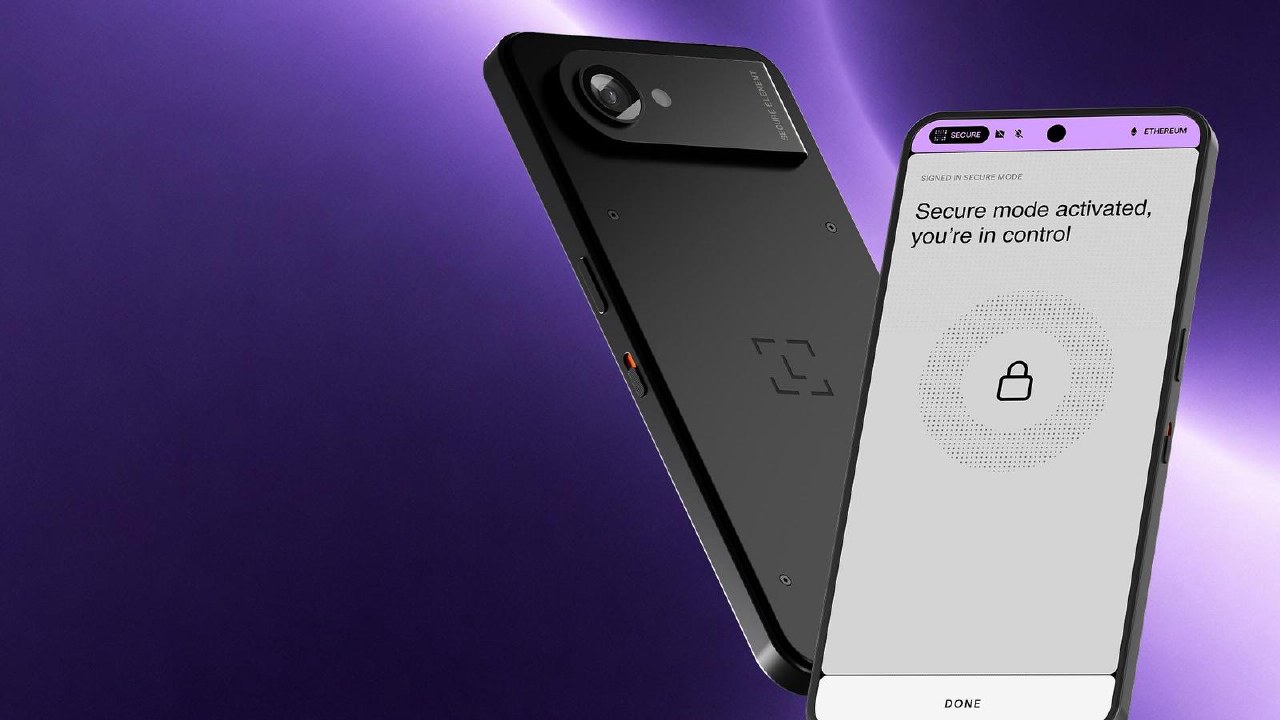
Hardware wallets are physical devices designed for self-custody of cryptocurrency keys, keeping them offline to prevent theft via malware or remote attacks. These devices function as cold storage, using random number generators to create private keys protected by a PIN and a 12-to-24-word seed phrase.
The industry includes major players like SatoshiLabs, which launched Trezor in 2013, and Ledger, founded in 2014, which has reported sales exceeding eight million units. Modern devices often incorporate secure elements, Bluetooth, NFC, and touchscreens, moving beyond simple storage to include features like stablecoin yield.
Security challenges persist, as demonstrated in July 2026 when a firmware bug in Coldcard led to the loss of approximately 1,816 BTC, valued at about $116 million, across more than 5,200 addresses. Additionally, an October 2026 incident involving unauthorized chips in Ledger devices sold by a reseller resulted in reports of $86 million being drained.
In response to security risks, manufacturers like Ledger and Trezor have adjusted their distribution strategies, with Ledger halting sales through resellers in seven Asian markets. Companies are also evolving their product lines; Ledger launched the Atom device in October 2026 and the Agent Stack toolkit in June 2026 to support AI agents.
Future-proofing remains a priority, with Trezor releasing the Safe 7 in late 2025, which features a post-quantum signature scheme. Meanwhile, corporate plans have shifted, as Ledger reportedly paused its potential U.S. IPO, which had been considered at a valuation of approximately $4 billion, due to market conditions.