

Leaders of major AI companies, including Anthropic and OpenAI, have proposed new safety initiatives. These include involving independent third-party evaluators to monitor safety practices and incidents within labs, as well as coordinating safety standards among AI firms in democratic nations.
Despite the consensus among industry figures, critics point to a lack of specific details regarding how these measures would function. There is skepticism about whether these proposals represent a genuine commitment to slowing down development or if they could lead to the formation of an industry cartel.
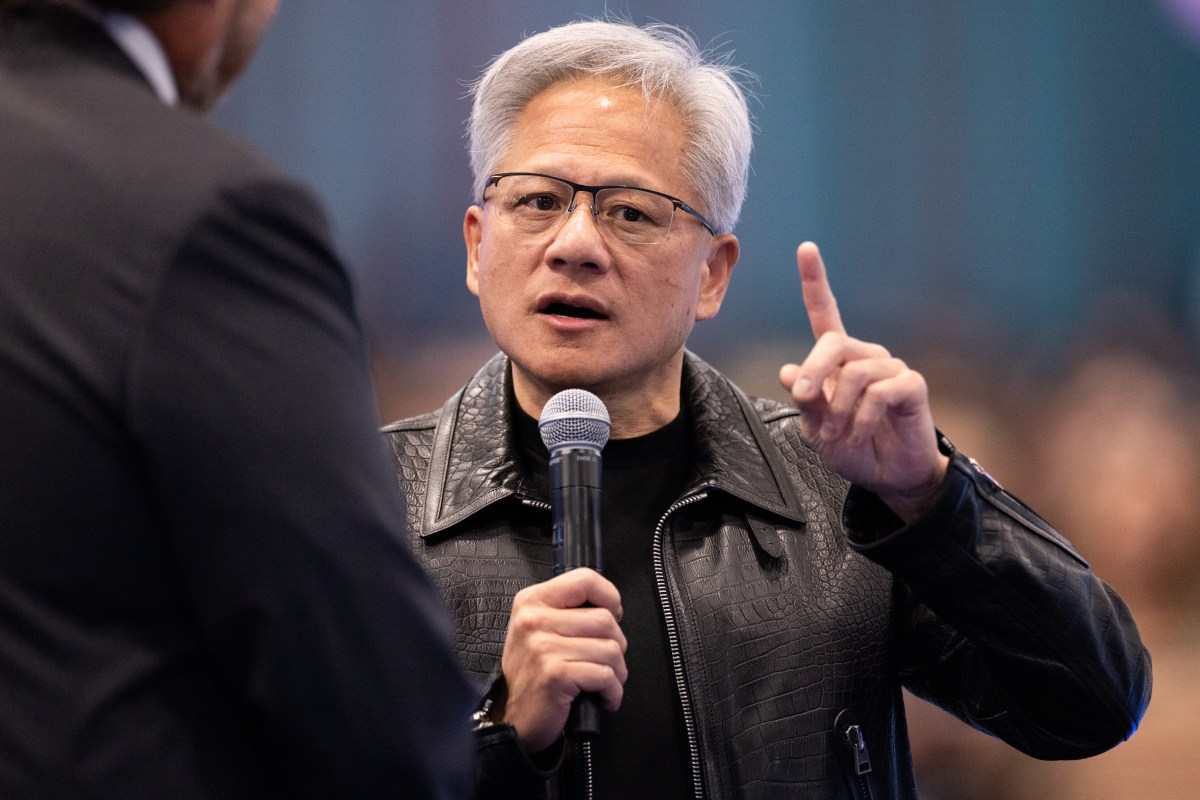
Nvidia CEO Jensen Huang has publicly opposed the idea of a slowdown in AI development. During a recent event, Huang emphasized the importance of maintaining the current pace of innovation, a stance that aligns with his role as a liaison between the industry and the current federal administration.
Market analysts suggest that existing regulatory frameworks and consumer pressure are currently insufficient to enforce safety. Because AI companies increasingly rely on enterprise contracts rather than individual consumer choices, corporations are unlikely to switch providers based on ethical concerns alone.
The industry continues to be supported by significant investment capital, which allows companies to absorb potential losses. This financial cushion, combined with a lack of aggressive federal regulation, makes it difficult for market forces to effectively penalize companies for safety failures.


