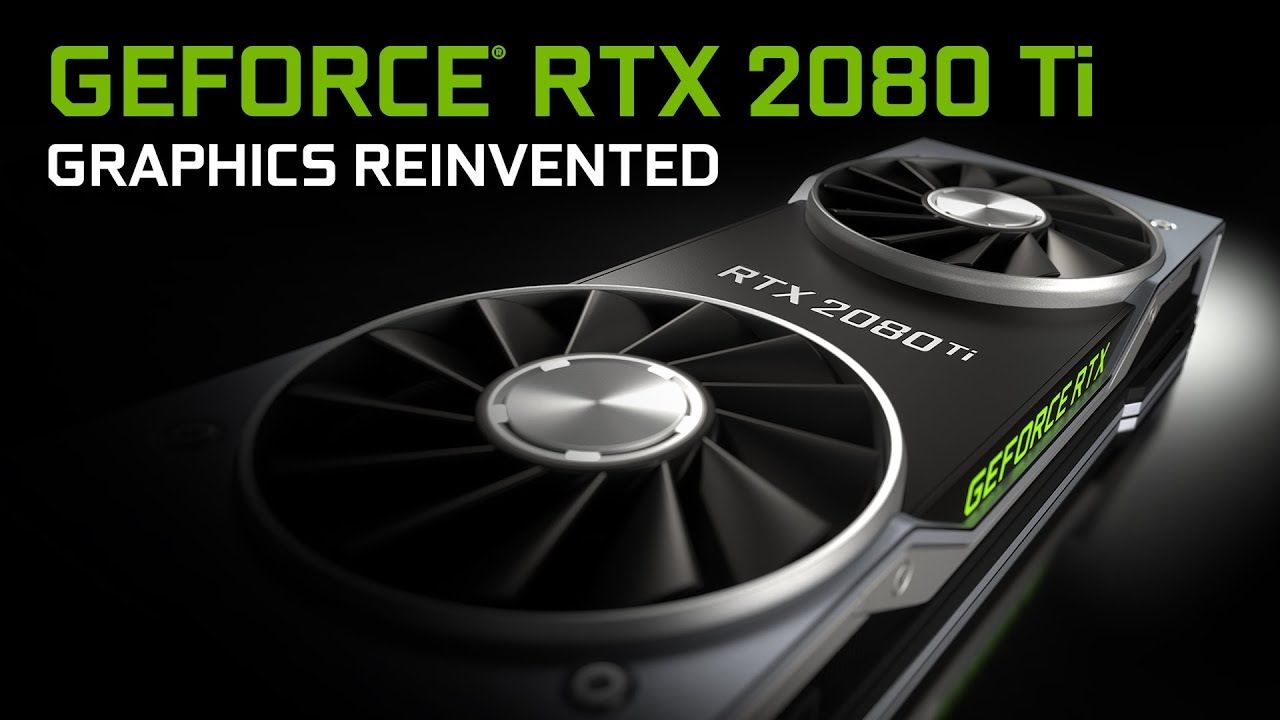
Nvidia launched the GeForce RTX 2080 and 2080 Ti graphics cards in 2018, marking the introduction of the Turing architecture and hardware-accelerated ray tracing for PC gaming. At the time of release, the RTX 2080 Founders Edition carried an MSRP of $799, while base models from third-party manufacturers were priced at $699.
The flagship RTX 2080 Ti was released with a price tag of $1200. Benchmarks showed it provided approximately 26 percent faster performance than the GTX 1080 Ti, despite a 71 percent increase in price. The card typically consumed about 280W during gaming sessions.
Early software support for the new ray tracing feature was limited, with titles like Battlefield V, Metro Exodus, and Shadow of the Tomb Raider serving as initial showcases. Over time, the technology expanded to consoles and mobile platforms, supported by additional features like DLSS to improve accessibility for mainstream users.
The subsequent RTX 3070, priced at $499, later offered performance comparable to the RTX 2080 Ti flagship. While ray tracing has become a standard in modern gaming, the adoption process required several years and further technological advancements to become viable for a broader range of hardware configurations.