Tesla reported a 2% decline in vehicle deliveries for the third quarter, citing a shortage of traction battery components. Despite this, the company reached a milestone of 10 million cumulative electric vehicle deliveries. Revenue for the quarter reached $28.05 billion, exceeding analyst expectations of $27.9 billion.
Revenue from electric vehicle sales fell 3% year-over-year to $20.56 billion, while energy business revenue dropped 16% to $2.88 billion. Net profit decreased by 29% to $787 million. Capital expenditures more than doubled to $3.73 billion, driven by investments in Optimus robots and AI development.
The company plans to invest approximately $20 billion in capital expenditures this year, with potential borrowing capacity of up to $30 billion. Long-term investments in the Terafab chip manufacturing facility are expected to exceed $100 billion. Tesla aims to reach an annual production capacity of 5 million vehicles by 2030.
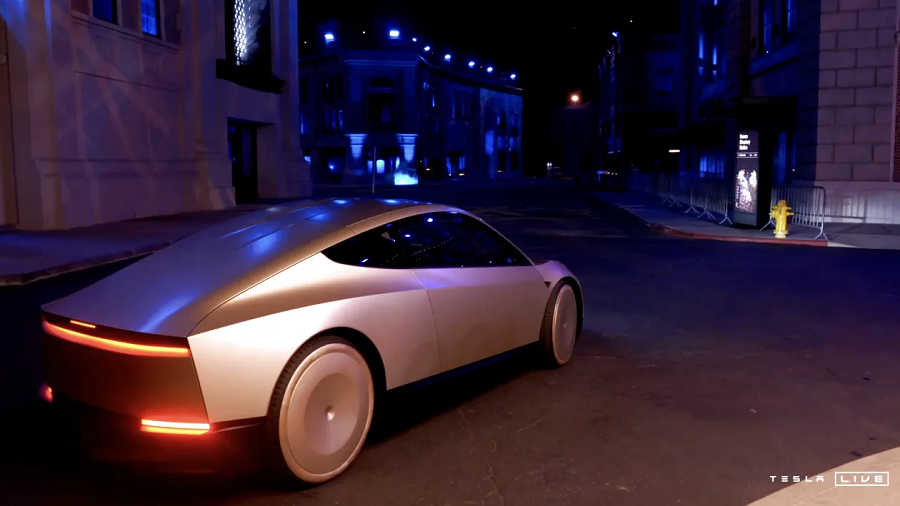
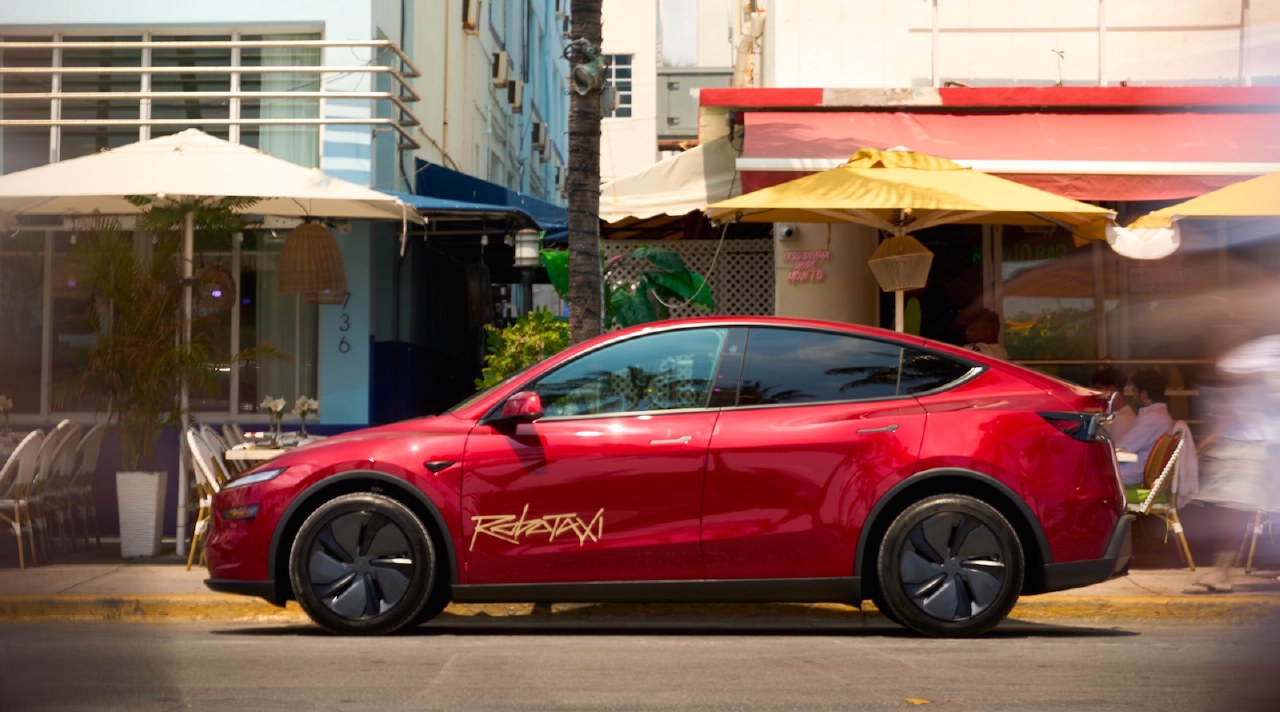
Active subscriptions for the Full Self-Driving (FSD) system grew by 67% to 1.74 million units. Tesla plans to launch a program in the second quarter of next year allowing select owners to integrate their vehicles into the company's robotaxi fleet. Meanwhile, the company is preparing to begin sales of the first Cybercab units to third-party customers by the end of this year.