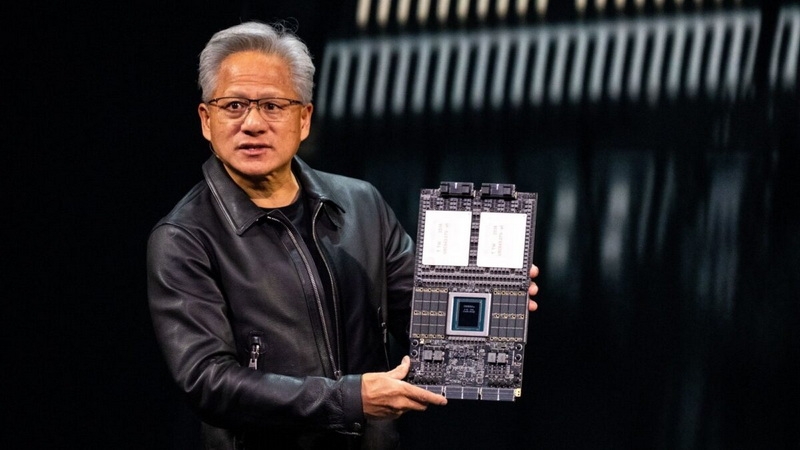
The CASPA CEO Summit in Santa Clara highlighted that AI infrastructure has shifted from individual chip performance to complex system design. Industry leaders noted that hundreds of thousands of processors now function as a single machine, making connectivity, power stability, and memory management the primary bottlenecks in the current AI era.
Data storage demand is projected to grow at a compound annual rate of at least 25% over five years, with total generated data expected to triple to over 700 zettabytes within three years. Companies like Western Digital and Lumentum report that capacity for memory and optical components is largely booked through 2029 due to supply constraints.
Power infrastructure remains a critical challenge, as AI hardware cycles occur annually while power systems operate on 6- to 10-year cycles. Schneider Electric noted that AI workloads can fluctuate between 30% and 150% in milliseconds, requiring advanced simulation tools to maintain grid stability and prevent equipment degradation.
Design cycles for custom silicon are shortening, with models evolving every three to six months. Siemens is utilizing Nvidia GPUs to accelerate electronic design automation by 10 to 12 times. Meanwhile, firms like d-Matrix and Rebellions are shifting toward rack-scale architectures to optimize performance per dollar and watt for inference tasks.